Hungary Starts in Budapest
Well, let’s be honest. Any Hungary travel guide tends to begin in Budapest.
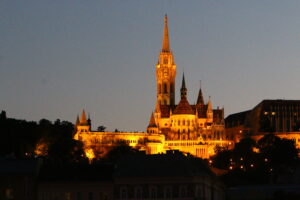
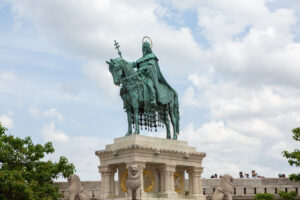
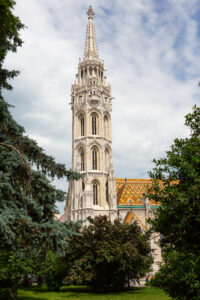
And deservedly so. There is heft to that city. Architecture, motion, centuries collected along the Danube. Budapest is immediate. Familiar. Accessible. It is a place that makes sense quickly, even on a first visit.
Hungary, however, extends beyond that.
Outward.
Budapest: Slowing Down
Budapest is a city built on contrast.
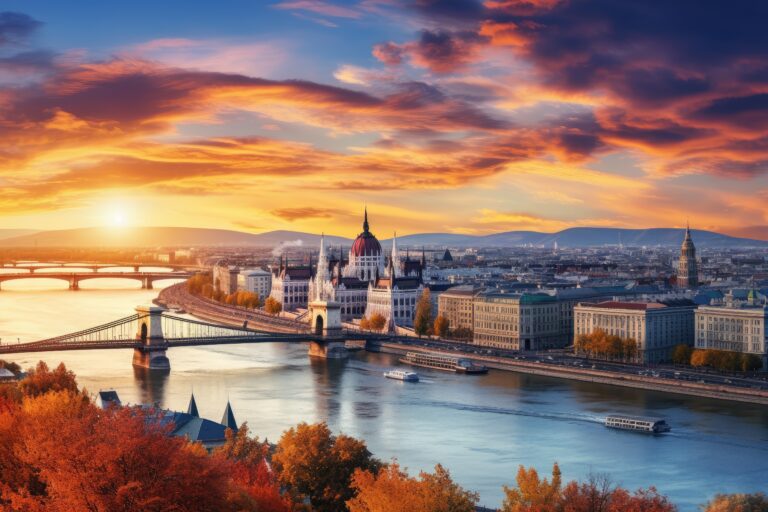
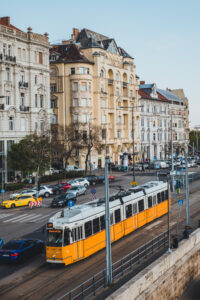
Buda grows. Palatial, uphill, and residential. Pest sprawls. Commercial and unending. And the Danube in the middle, keeping everything in balance.
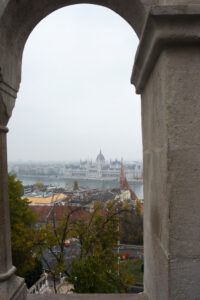
Scale yourself against Parliament. Not just its size, but its presence along the river. Cross the bridges. Chain, Liberty, Margaret. Each carries a slightly different rhythm of the city. Walk a bit further than planned. Sit longer than expected.
Budapest reveals itself in movement, but it settles in the pauses.
And slowly, almost without realizing it, you begin to slow down.
Leaving Budapest: The Gradual Shift
That shift does not end at the city’s edge.
Migration from Budapest is not instantaneous. It is gradual.
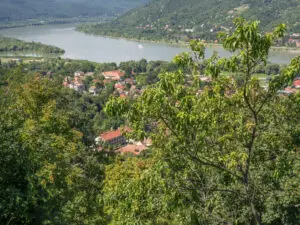
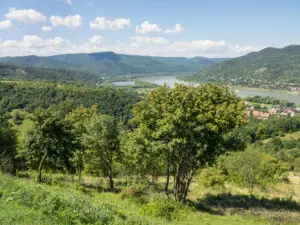
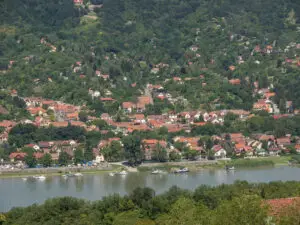
The river curves. Villages shrink. Miles lengthen. Everything softens.
This change is easy to miss if you move too quickly. Give it time. An afternoon in Szentendre. A train or drive through the Danube Bend. The transition becomes clear.
You begin to notice space.
And then, you begin to notice land.
Wide Spaces: Fields, Farmland, and the Horizon
There is as much to Hungary beyond the cities as within them.
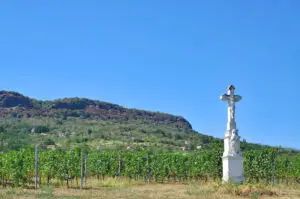
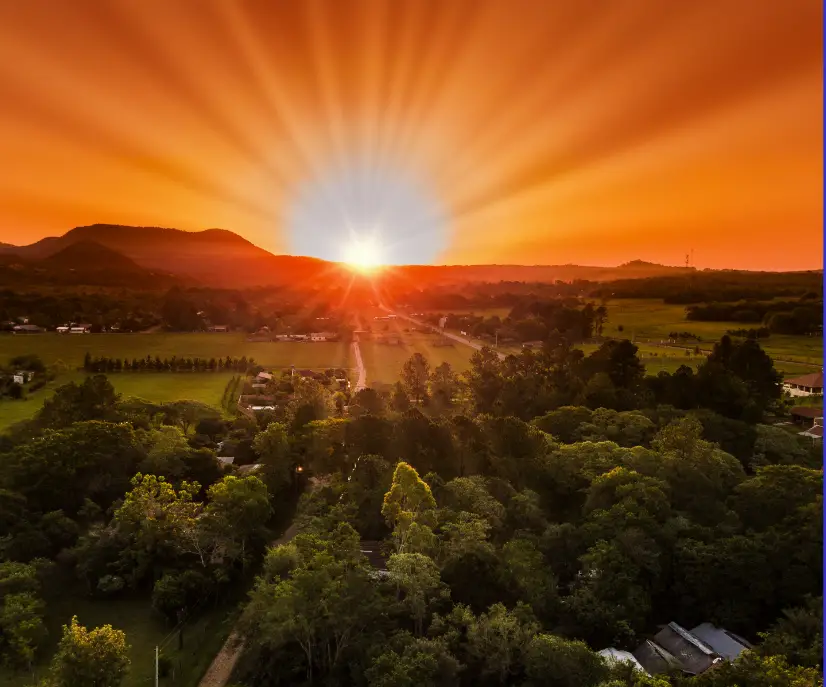
Rolling hills are not the story here. Instead, the country opens into fields, farmland, and long, uninterrupted horizons that feel steady rather than dramatic.
The landscape is subtle. Consistent. Grounded. And it shapes daily life in quiet ways.
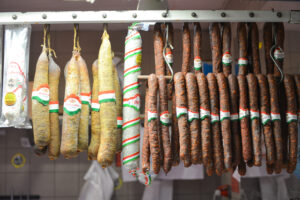
Agriculture runs deep. You see it in roadside stands, in local markets, and most clearly on the plate. Paprika drying in the sun. Seasonal produce that reflects what is available, not what is expected. Villages sit within the land, not apart from it. Architecture feels lived in, not preserved. Functional, but with detail. Color, pattern, and a sense of continuity that does not feel curated for visitors.
Cuisine and Terroir
That connection to land carries directly into the way Hungary eats.
Hungarian cuisine is informed by place. Paprika may be the headline, but it is not the whole story.
Look to the wine regions. Tokaj in the northeast. Eger with its historic cellars and bold reds. These are not simply destinations. They reflect soil, climate, and tradition in ways that show up directly in the glass.
Meals follow the same idea. Hungarian food is not always complicated. Often, it is quite simple. Slow cooked. Hearty. Direct.
Dishes that take time to prepare, and time to enjoy. Meals that feel tied to where you are, not recreated for where you came from.
And always grounded.
Baths: Another Form of Migration
There is another layer beneath Hungary’s surface. Geothermal water.
You see it first in Budapest. Baths where time softens. Conversations linger. Movement slows. It is not just about the water, but the pace it creates around it.
But it does not end in the capital. Beyond the city, places like Hévíz exist because of it. Not as an attraction, but as part of daily life. A lake fed entirely by thermal water. A place where locals and visitors share the same rhythm. It is a different kind of motion.
One that reinforces what you begin to feel across the country.
There is no need to rush.
How to Experience Hungary
Understanding Hungary is one thing. Experiencing it is another.
Hungary is best experienced in layers. Begin in Budapest, then gradually extend outward. Give the capital time. Walk it. Cross it. Let it set the pace before you move on. From there, the shift becomes part of the experience.
By Train
Hungary’s rail system is well connected and easy to navigate, particularly between Budapest and regional towns.
Traveling by train allows the country to unfold in real time. The city softens. Buildings thin out. Fields begin to stretch. It is not dramatic, but it is noticeable.
Routes toward the Danube Bend, Eger, and beyond offer a steady view of the landscape. Stations are often small and central, making arrival feel simple.
Train travel here is not about speed. It is about observing what happens in between.
By Car
Driving offers something different.
Freedom to pause. To turn off. To follow a smaller road simply because it is there. Outside of Budapest, roads are manageable and distances feel reasonable. What you gain is access to the quieter parts of the country. Farmland, villages, and the spaces between more familiar stops. A car allows you to move at your own pace.
To stop when something catches your attention. And to stay a little longer when it does.
On the Ground
Whether by train or by car, the experience of Hungary happens in how you spend your time once you arrive.
Walk through markets. Sit down for a meal without an agenda. Step into a thermal bath and allow time to pass without tracking it.
Hungary does not reveal itself all at once. It builds gradually. In small interactions. In landscapes that do not demand attention, but hold it anyway. In moments that feel ordinary at the time and memorable later.
Pacing the Experience
If there is one approach that works here, it is simple. Do less. Stay longer. My Hungary Travel guide is about letting Budapest introduce you. Letting the countryside widen your perspective. Letting the pace of the country guide how quickly or slowly you move through it.
And somewhere along the way, without trying to define it, you begin to understand how Hungary holds onto what matters.
Culture That Continues
That understanding carries forward in everyday life.
There are things here that exist beyond what you can see at a glance.
Culture. Continuation.
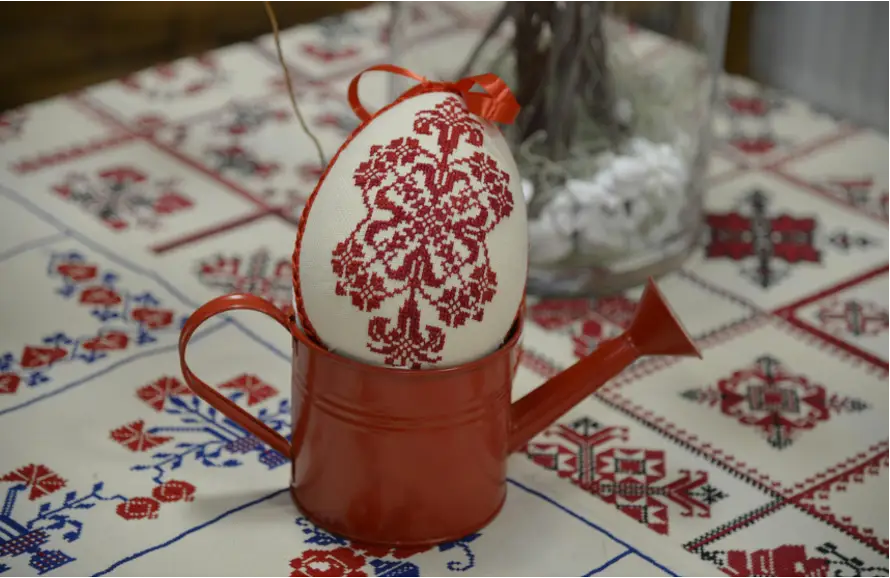
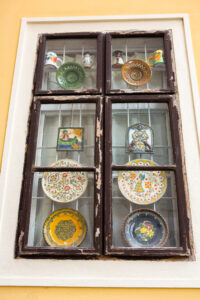
Traditional embroidery, pottery, and pattern work are not preserved behind glass. They are worn. Used. Passed down.
You see them in markets, in small shops, and in the details of daily life. Table linens. Clothing. Decorative pieces that remain part of how people live, not just what they display. Hungary does not separate its past from its present. It carries it forward in ways that feel natural.
Memory
In many ways, Hungary is a whisper, not a shout. It lives in the flow of the Danube. In the openness you find after leaving Budapest. In cuisine that reflects the land it comes from. You may not remember a single defining moment. Instead, you remember a series of them.
A walk across a bridge at dusk. A quiet meal that lasted longer than expected. A stretch of road where there was nothing to do but look outward.
Small. Layered. Lasting. And that, more than anything, is what stays with you.
Remember, this Hungary travel guide is not about checking off landmarks. Its the experience you will always rememer.