Chile: A Country Stretched by Extremes
EXTREMES MAKE CHILE WHAT IT IS
Chile doesn’t unveil itself.
When you look at Chile on a map, it looks fantastical. Miles long and barely an inch wide, wedged between the Andes and the Pacific. When you drive Chile, that geography dictates everything. The climate. The food. The condition of the roads. Daily life. Movement.
But Chilean extremes aren’t academic. They’re lived. So by necessity, Chileans are practical. You plan. You prepare. You adapt.
Sound limited? That’s the point.
DESERT TO PATAGONIA IN YOUR SPARE TIME
Rarely does a country feel quite so distorted by sheer distance.
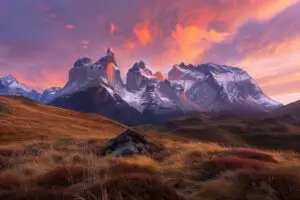
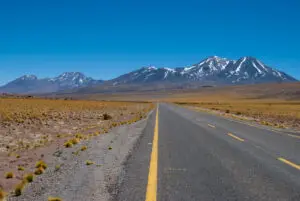
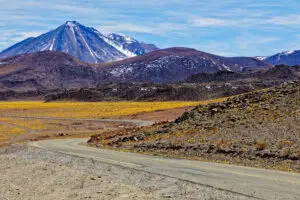
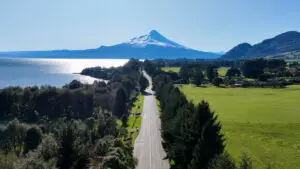
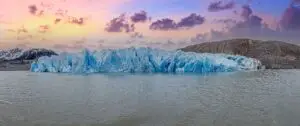
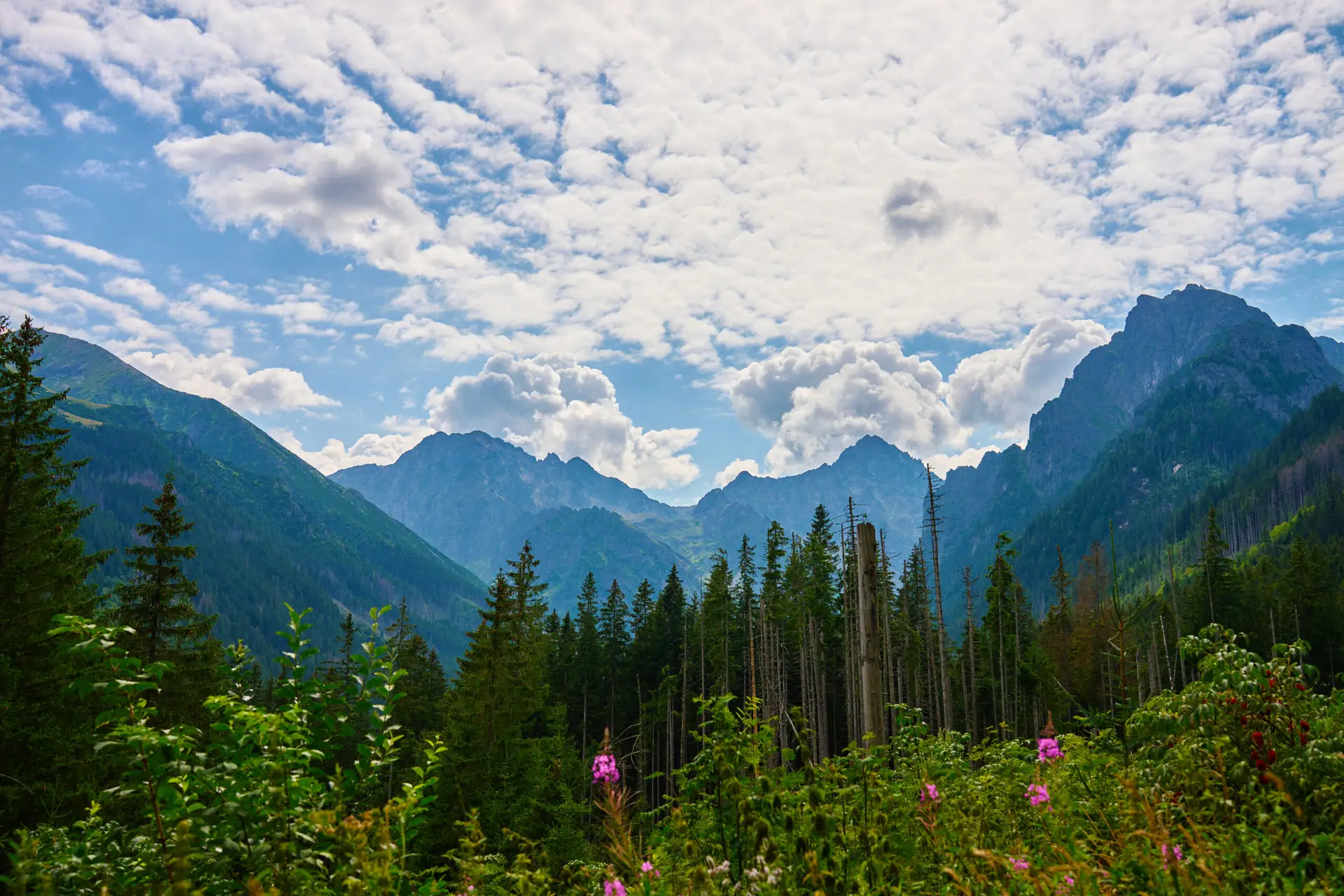
The Andes build quickly to the east. Mile upon mile of mountains that mean elevation gains. Thinner air. Faster weather changes. To the west, the Pacific plunges away. Deep, cold currents affecting fisheries and coastline climates. Heading north to south, Chile stretches from the Atacama — the driest desert on the planet — to wind, icefields, and glaciers in Patagonia.
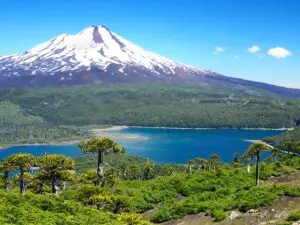
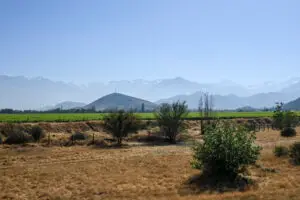
Between northern deserts and Patagonia are farmland, cities (big and small), coastal highways, mountains, forests, glaciers, more…. Chile squeezes a lot of country into a small space. And while the 2,400 miles still take days to traverse, those extremes sit closer together than most visitors anticipate.
LATIN AMERICA’S LESSER-KNOWN DESTINATION
It’s what makes Chile feel more intense — not louder — but consequential.
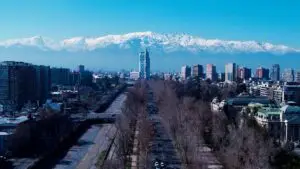
You can drive from desert to ice fields in a day. Farming fields to bustling Santiago in hours. These aren’t experiences you rush through. You plan for them. You allow them to affect your understanding of what a country can be.
PLAN TO MAKE IT COUNT
Speaking of planning.
Allow me to get tactical for a moment.
In Chile, you plan because it rewards you for doing so.
It’s common for services to be hours apart, especially in northern and southern regions. Fuel may not always be available when you expect it. Paved roads can give way to gravel with little notice. Altitude will come into play up north, where many communities sit at elevations even experienced travelers find difficult. Coming down from it can actually induce sickness.
Weather matters. Always. It can affect road conditions, access to parks, and more. Winds in Patagonia can force plan changes for days. Heat exposure and water supply are considerations in the Atacama.
These aren’t deal-breakers. Chile does not punish those who visit, but it won’t indulge them either.
CHILE’S FRESH BASICS
Take food, for example.
What you eat in Chile will vary wildly by where you eat.
By the coast, expect seafood. These cold waters yield fantastic catches of fish (celestún, hake, sea bass) and shellfish (clams, mussels, king crab in the south). Fishing villages won’t hesitate to fry your catch straight from the boat. Restaurants along the highway are working places, too — not typically tourist destinations. Expect simple but fresh meals.
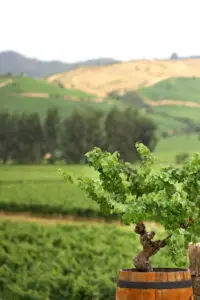
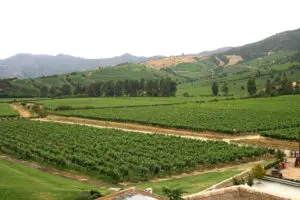
The agricultural heartland runs through Chile’s central regions. Mediterranean climate means fruits, veggies, grains, and world-renowned vineyards. You’ll see tourism marketing around wine country (Maipo, Casablanca), but don’t sleep on humble Chilean eats. Think fresh baked bread, seasonal ingredients, and meals meant to fill you up rather than wow you. Home cooking rules.
Head to the mountains or south and cuisines will change again. One staple across Chile is cazuela. It’s a stew-like comfort food made with meat (commonly chicken or beef), potatoes, corn, squash, and herbs. Think of it as what you’d want to eat while working outside in cold or changeable weather. Simple ingredients. Unlimited practicality.
CHILEANS LIVE WITH THE LAND
It applies to people too.
Those who live in Chile reflect the country’s many identities: Indigenous communities and descendants, Spanish influence, European immigration in the south, and regional loyalty dictated by mountains and distance.
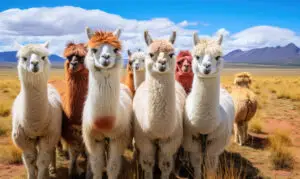
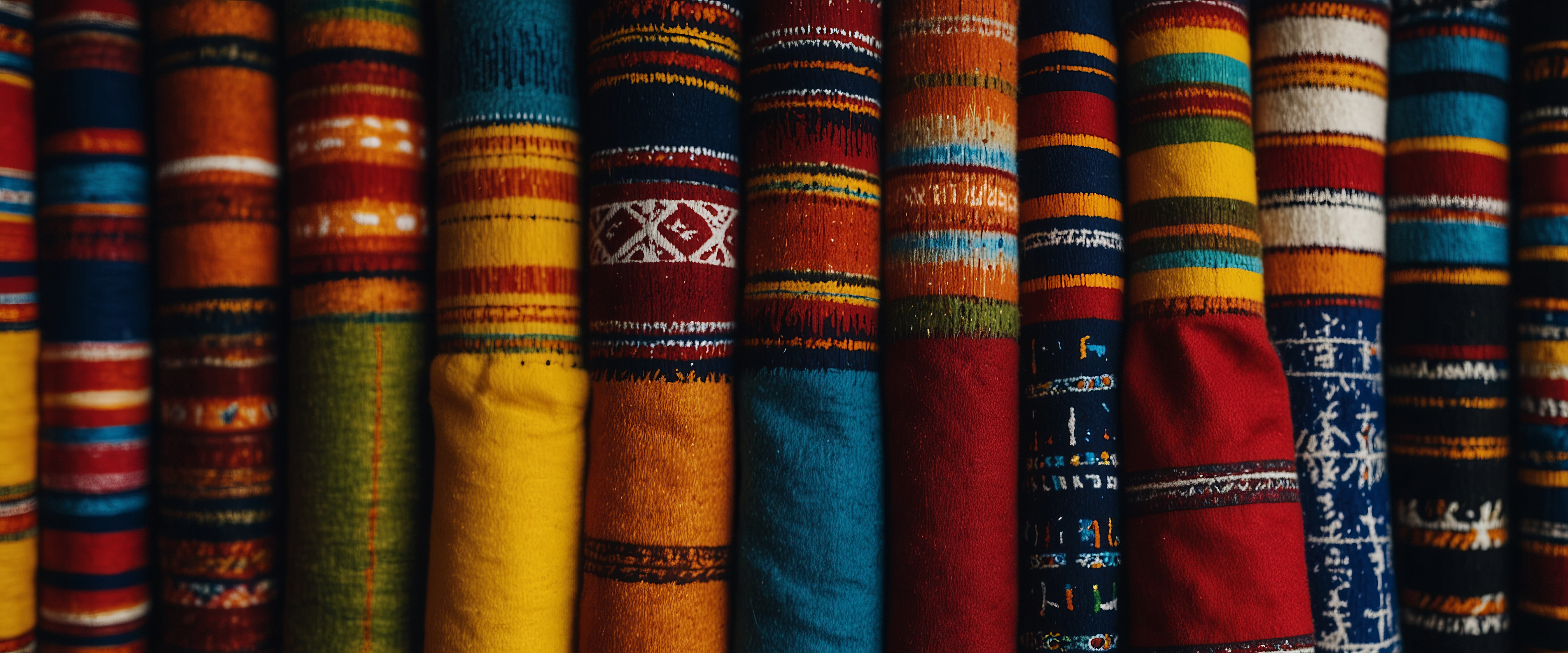
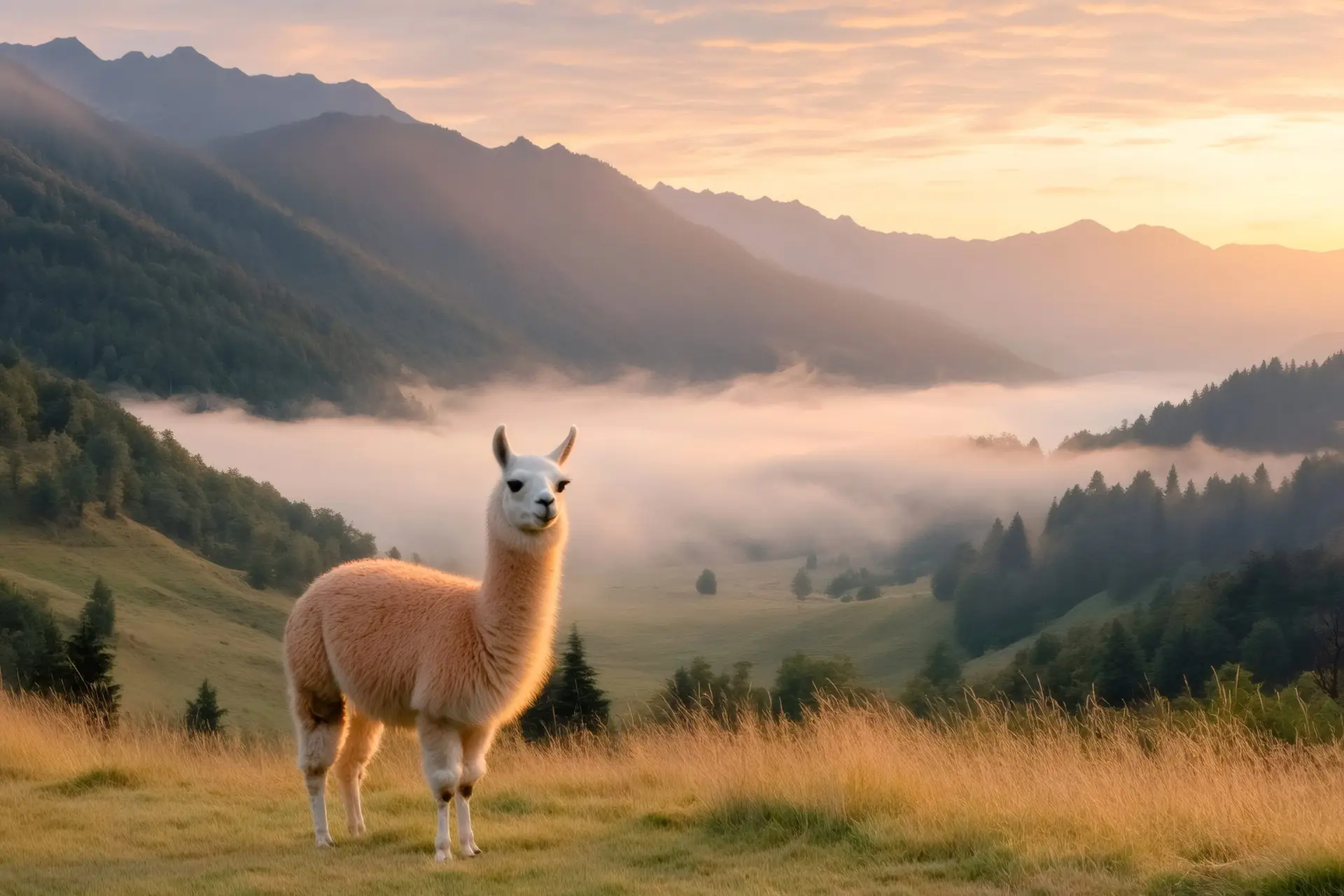
Head north and you’ll find Indigenous communities adapted to living at high altitude with limited resources centuries before Chile was Chile. Llamas and alpacas are found throughout Chile but were necessary for transport, wool, and agriculture long before cars, refrigeration, and chainstores. Today you’ll find their wool used in knitted hats and woven textiles. Closer inspection will reveal their usefulness — these items are made to last, to keep you warm, and to be used. Unlike what you’ll find in Santiago’s tourist malls, they likely aren’t intended for decoration.
Southern communities have had to be independent simply by scale and seasons. Ranching and agriculture is more common as towns get smaller, spread farther apart, and cater to people who understand how to pivot with Mother Nature.
Accent and Spanish dialect changes as you move through Chile, too. Like many places, Chileans are direct. There’s not a lot of extra fluff in conversation and it stems from necessity. If you’re traveling long distances in remote places, it pays to be clear. Mountains and weather don’t care if you understand one another. They’ll wait for no one.
MINING MATTERS TOO
If you’re coming to Chile for landscapes, you’re not alone.
But tourism isn’t the country’s main driver. Chile mines more copper than any other country on Earth. Understand that when you drive thru towns like Chuquicamata in the north. An entire city was built around what is now one of the world’s largest copper mines.
What’s lost on some visitors is how those industries exist alongside tourism, rather than in competition with it. Chile still prioritizes connection to wilderness, history, and regular life over servicing hotels. That’s why you’ll still see alpacas grazing in someone’s front yard, or sheep dots on a hillside at eyes-level with a highway.
WHISPERS NOT ROARS
I think that also explains Chile’s demeanor.
There’s no need for bravado when your culture literally spans continents. Traditional music, especially in rural Andean communities, reflects that. Music isn’t flashy. Wooden flutes, panpipes, and clear vocals that echo against mountains rather than compete with them.
It’s a feeling that applies to Chile as a whole. Culture exists because it’s lived, not because it needs to be seen. Chile won’t boom at you from big screens or coax you into participating. Learn to listen, and you’ll learn more about Chile than most people will on a visit.
PATAGONIA CHANGES YOU
If Patagonia were everyone’s experience in Chile, I’d say that.
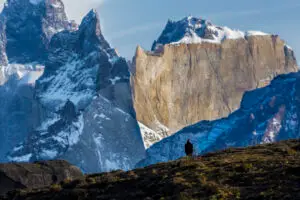
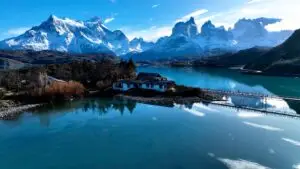
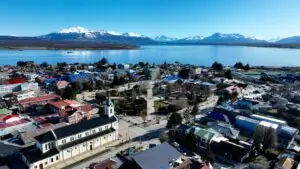
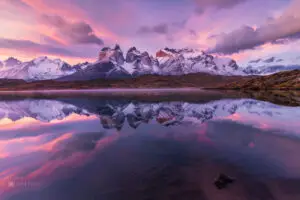
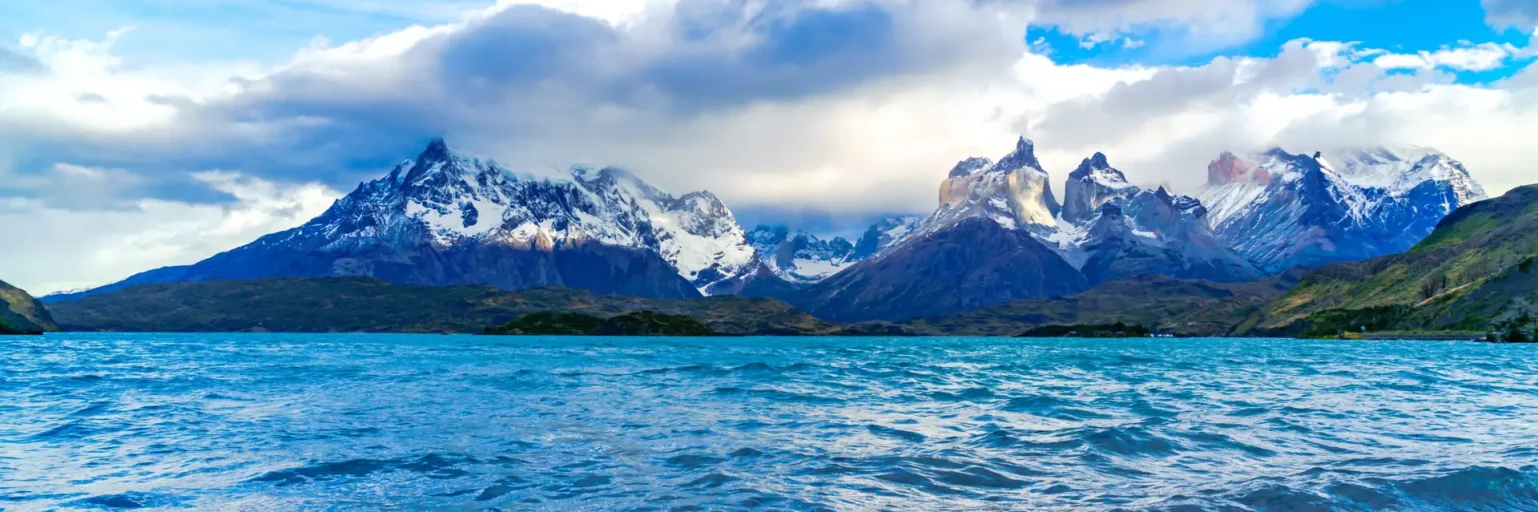
Your experience south of Puerto Montt will have a level of access you just can’t replicate in Torres del Paine. The latter feels manicured. Seasons are short. Places like Pudeto camping are full hitches. Towns like Puerto Natales exist largely as pitstops to the real adventure outside of town.
Look closer, and you’ll see why.
Patagonia demands respect. If you show up unprepared, expecting to port hop like Chile’s north, you’ll be let down. But visit in the proper season, with plans and the ability to adapt to conditions, and Patagonia will reward you with solitude on a scale few places can match. Don’t visit Chile without seeing it. Just know what you’re signing up for.
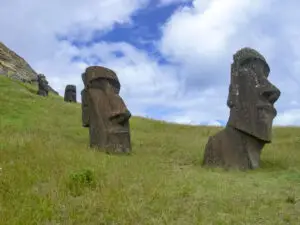
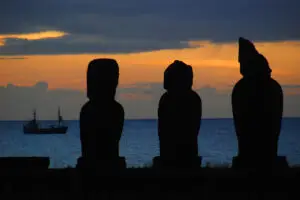
EASTER ISLAND, OR RAPA NUI IS A DIFFERENT ISLAND ENTIRELY.
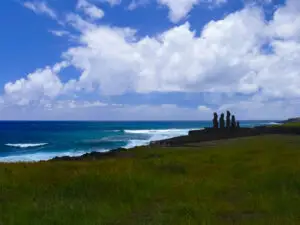
About 2,300 miles off the coast of Chile’s southwest corner, it’s wild that Chile extends this far south — let alone governs Easter Island. There’s enough history between the two to dedicate another article entirely, but understand this: With the exception of Santana Airlines flights to and from Santiago, Rapa Nui feels removed from Chile.
That doesn’t mean you shouldn’t go. The culture is fascinating, deeply rooted in Polynesian navigation, and still mysterious despite a history of anthropologists trying to solve one of the world’s greatest mysteries: How did these people migrate here and why?
GO WITH THOSE TERMS IN MIND
Chile will reward you if you do the same.
It demands attention be paid to guidebooks (and locals) about road conditions, distances, and more. What you gain back is authenticity. Meals that are all about place. Landscapes that feel earned. Culture that doesn’t need to be found. Intrigue.
Easter Island pushes that feeling to the extreme. Few national parks in Chile attract the level of tourism Rapa Nui does relative to its size, and those that do understand how to preserve it. Torres del Paine gets close but relies heavily on campground tourism that lets you forget you’re sharing the land with anything wild.
Drive Chile slowly. Listen. And absorb what you can, because you won’t find constant reminders to do so here.
Hasta la próxima, Chile. Les deseo un buen y seguro viaje a todos los que visiten el país. Su país y su cultura son realmente fascinantes.
Amy
A.K.A The Willing Traveler
| have passport will travel