Colombia: Beyond First Impressions
I’ll admit it. Colombia was not high on my travel list the first time I went.
Like many people, I had a picture of the country in my head before I arrived. Coffee. Colorful streets. Old headlines. Maybe Cartagena and a few photographs of impossibly tall palm trees.
I was not against going. I just did not know what I would find once I got there.
Then I went.
And Colombia kept changing on me.
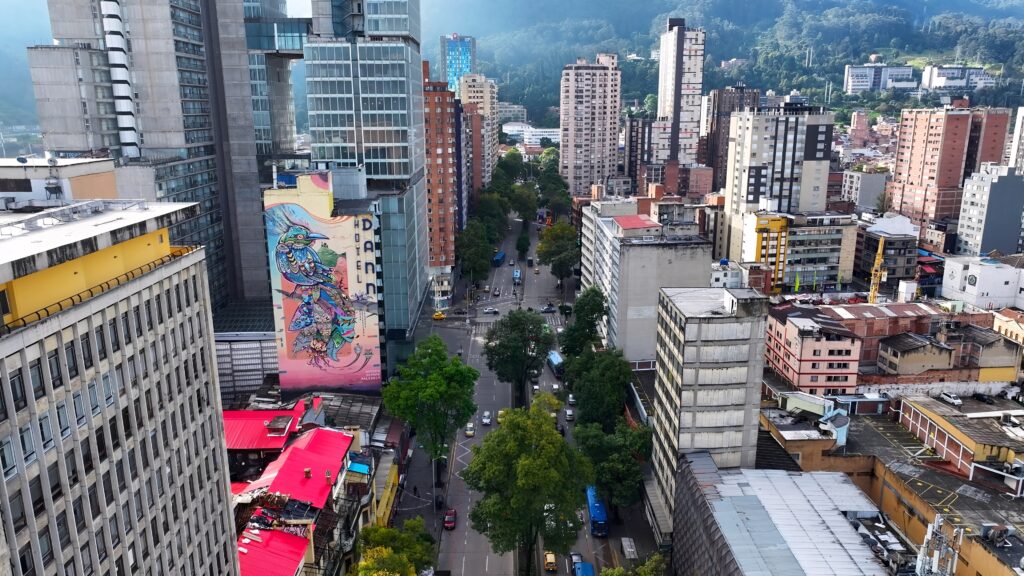
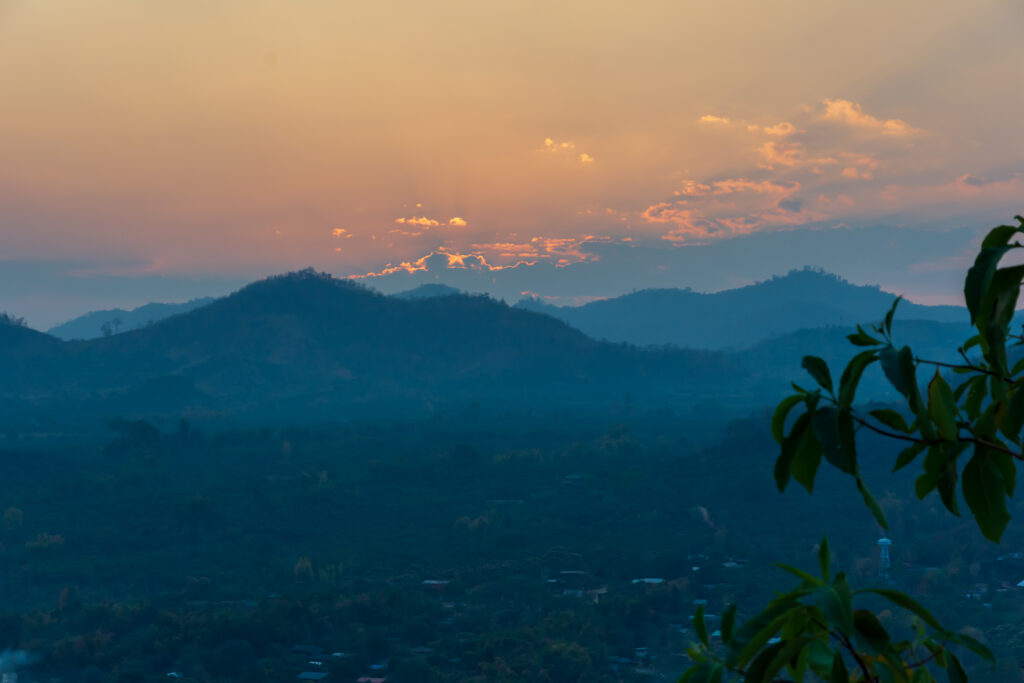
One day it was busy streets, music, traffic, color, and people moving in every direction. Another day it was green hills, coffee farms, and small towns where life felt completely different. Add mountains, rainforests, Caribbean coastline, wildlife, markets, and food I could not always identify, and the country I thought I understood became much harder to summarize.
That is probably why it stayed interesting.
The Square Will Still Be There
Most cities have a main square, and I usually plan to see it.
But I have a habit.
I will be walking toward the square, notice an interesting street off to the right, and take it.
The square will still be there.
What is happening down that street may not.
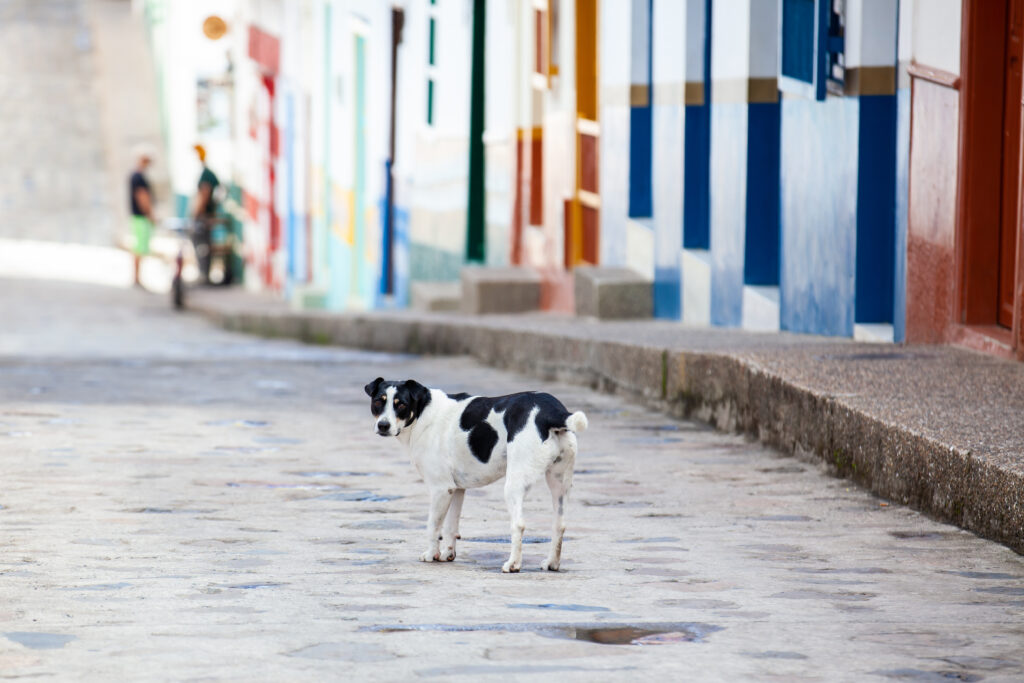
Maybe I hear music. Maybe I see a fruit stand with several people gathered around it. Maybe there is an interesting doorway, a mural, a café, or a cat wandering as if it owns the neighborhood.
Any one of those is enough to change my direction.
That happened often in Colombia. The country gave me plenty of reasons to interrupt the plan.
And, as usual, the interruptions became part of the story.
A Country That Refuses to Look the Same
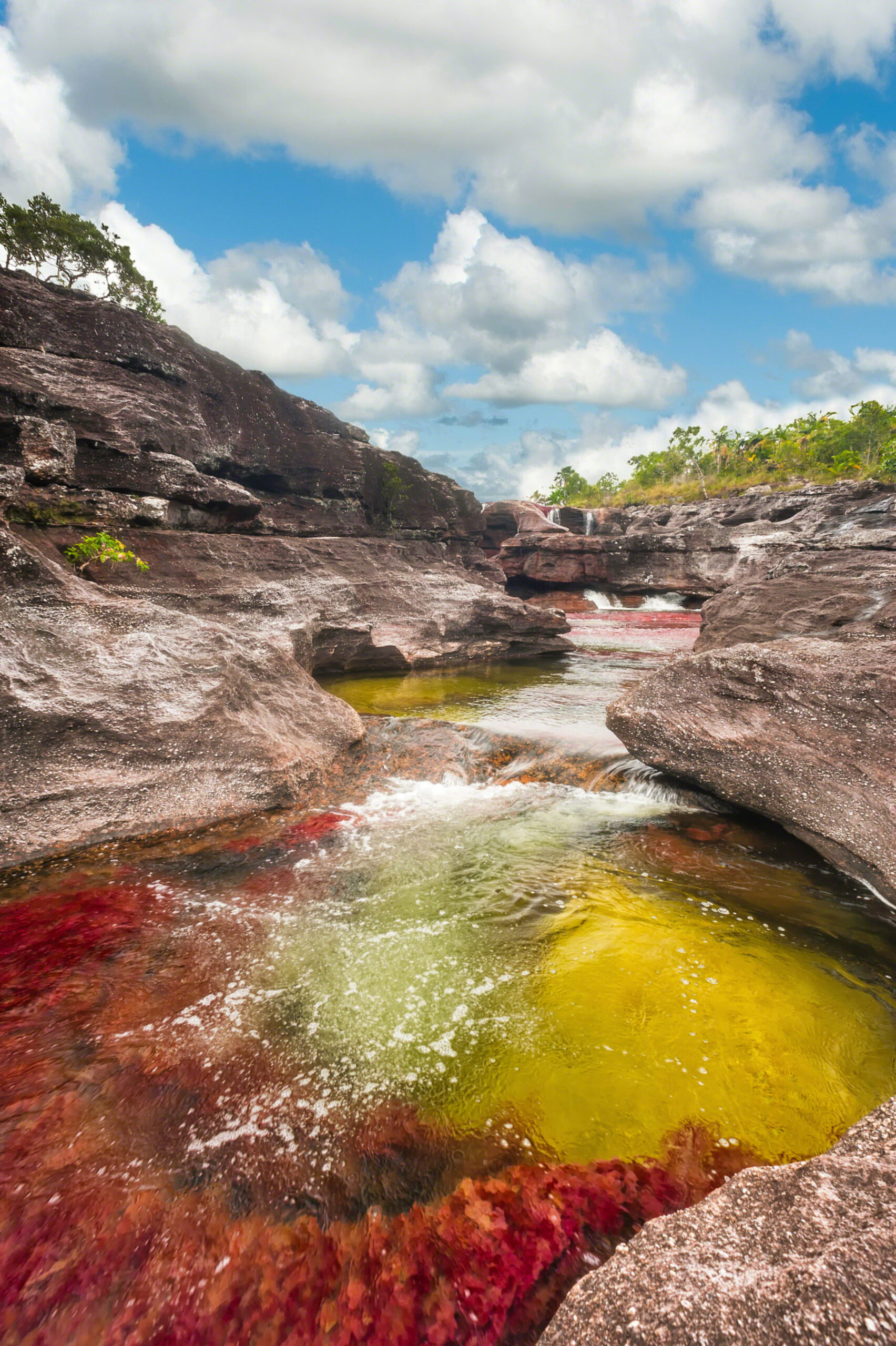
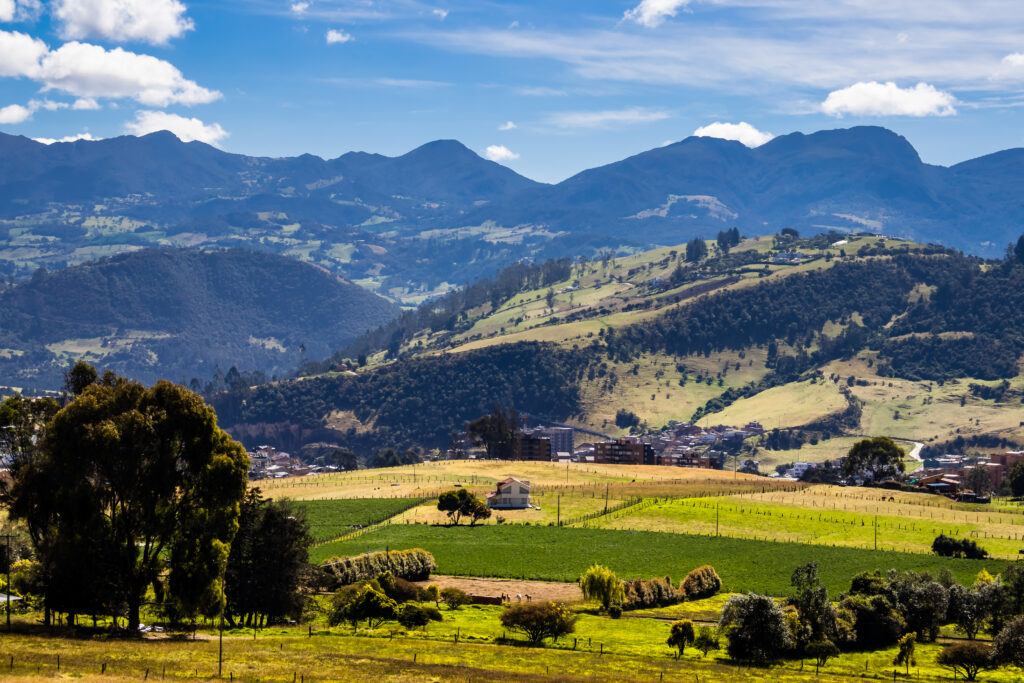
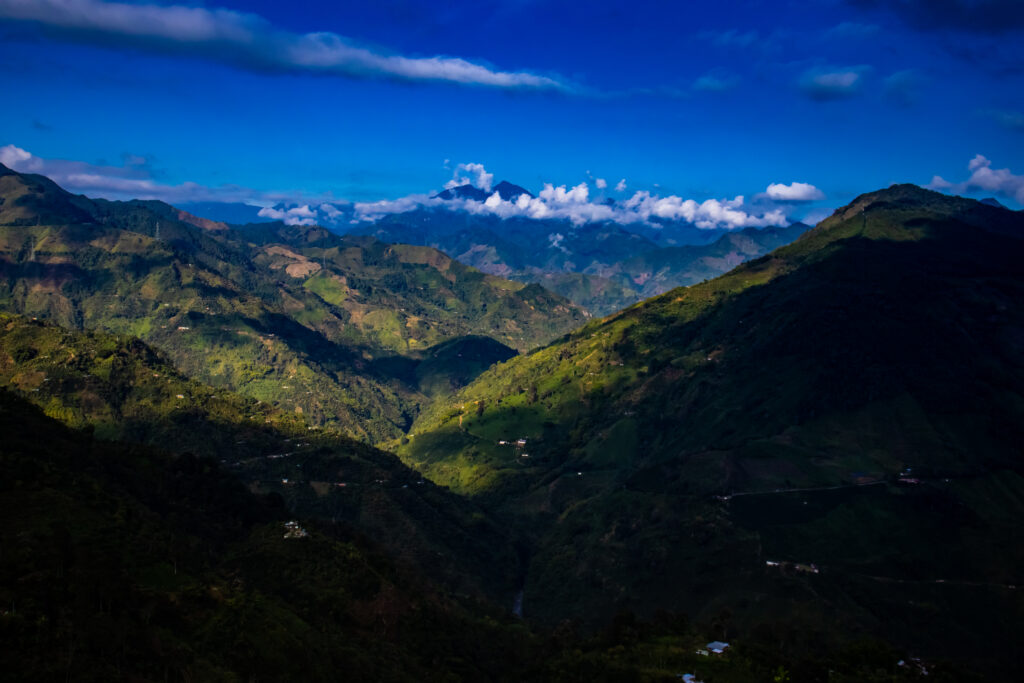
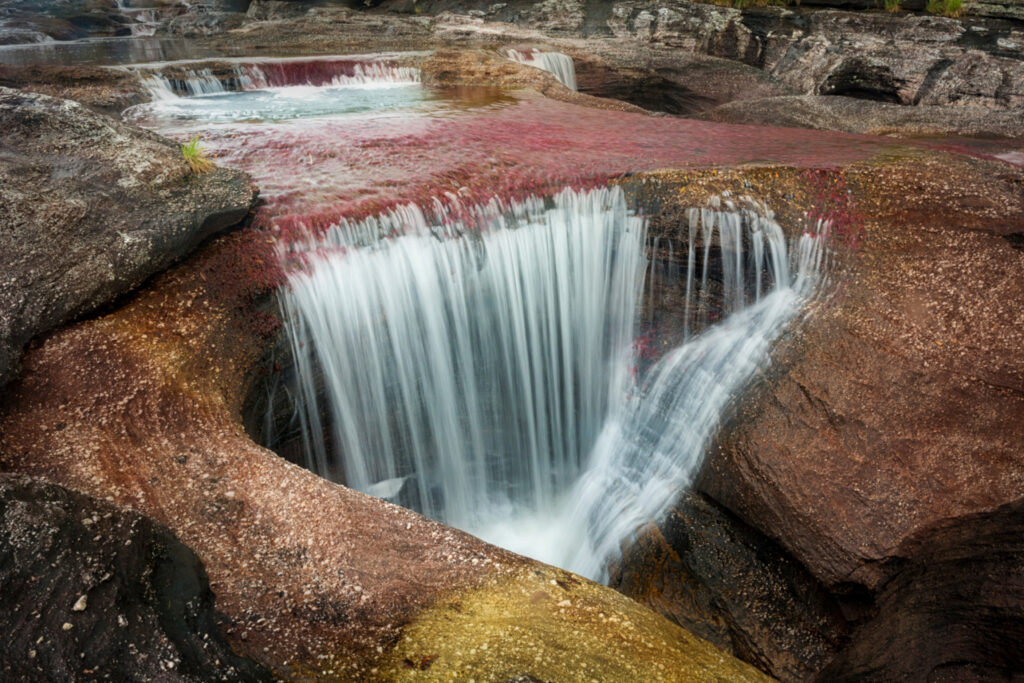
Colombia is not one landscape.
That became obvious quickly.
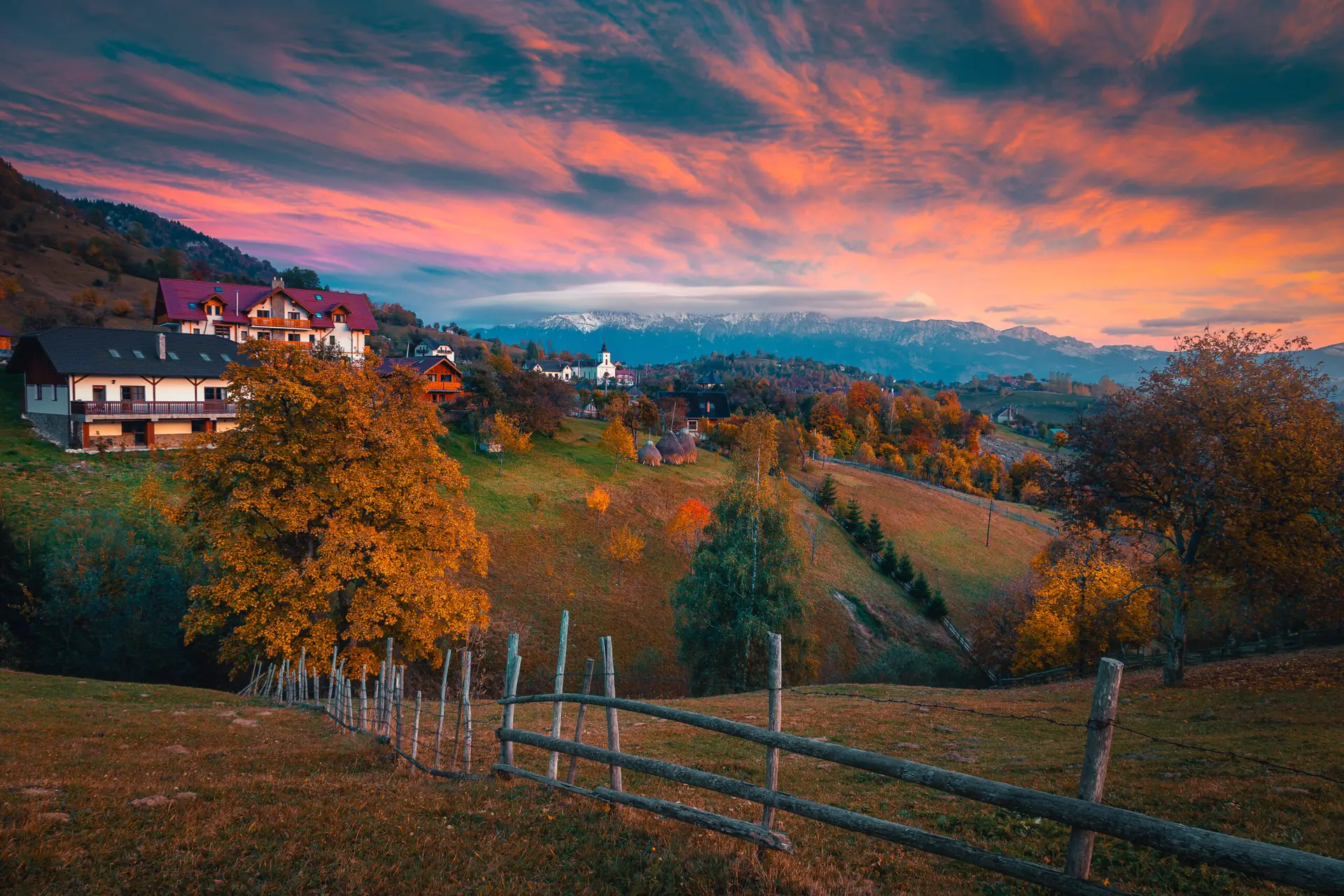
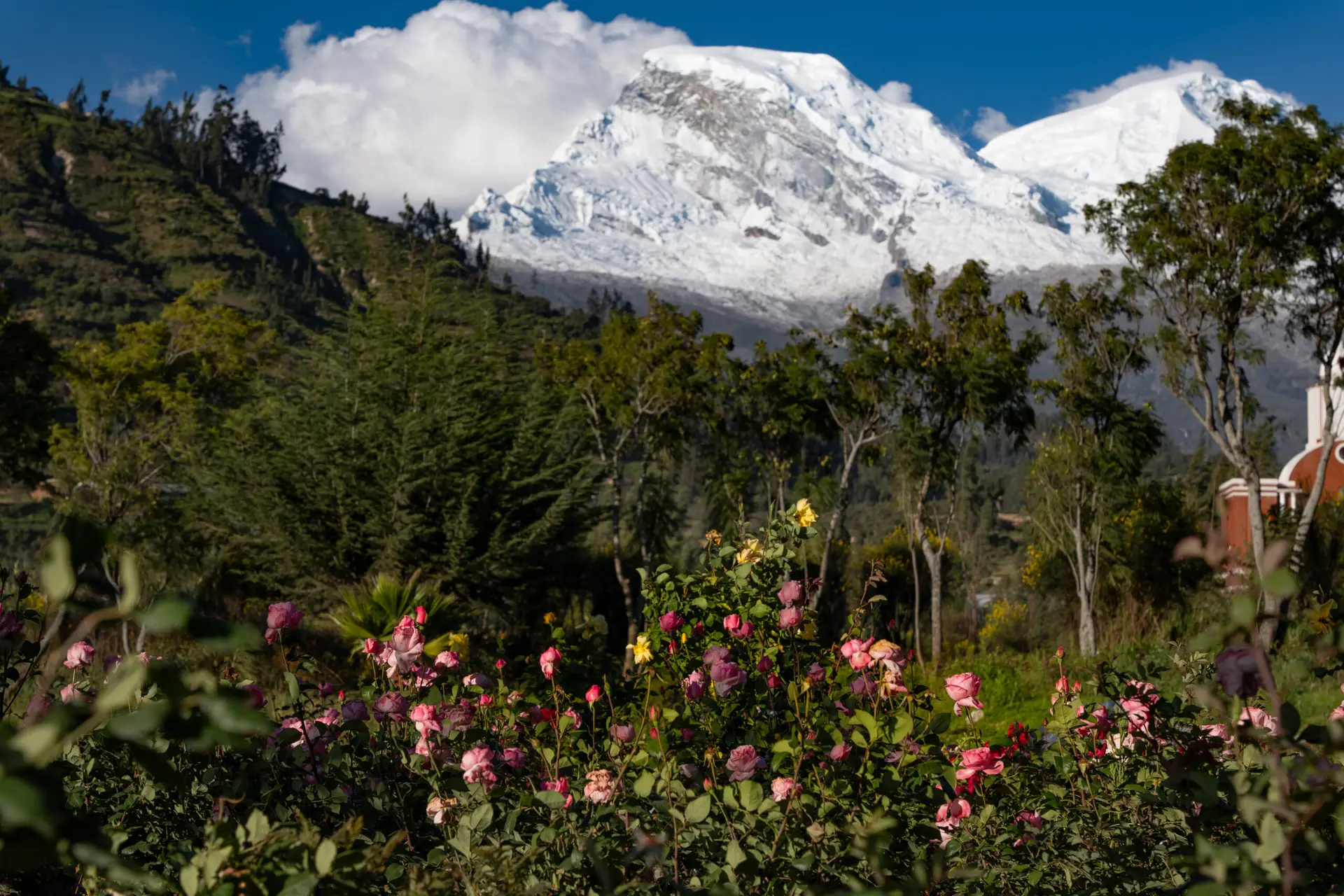
There are three branches of the Andes running through the country, two coastlines, tropical lowlands, cloud forests, coffee-growing hills, cities, islands, and regions that feel far removed from one another.
You do not have to travel very far before the scenery changes.
That variety is part of what makes Colombia difficult to explain. A photograph from the Caribbean coast does not prepare you for the mountains. A view from coffee country does not tell you much about Medellín. A city street gives no hint of the wildlife living elsewhere.
It is all Colombia.
Just not the same Colombia.
The Wax Palms Really Are That Tall
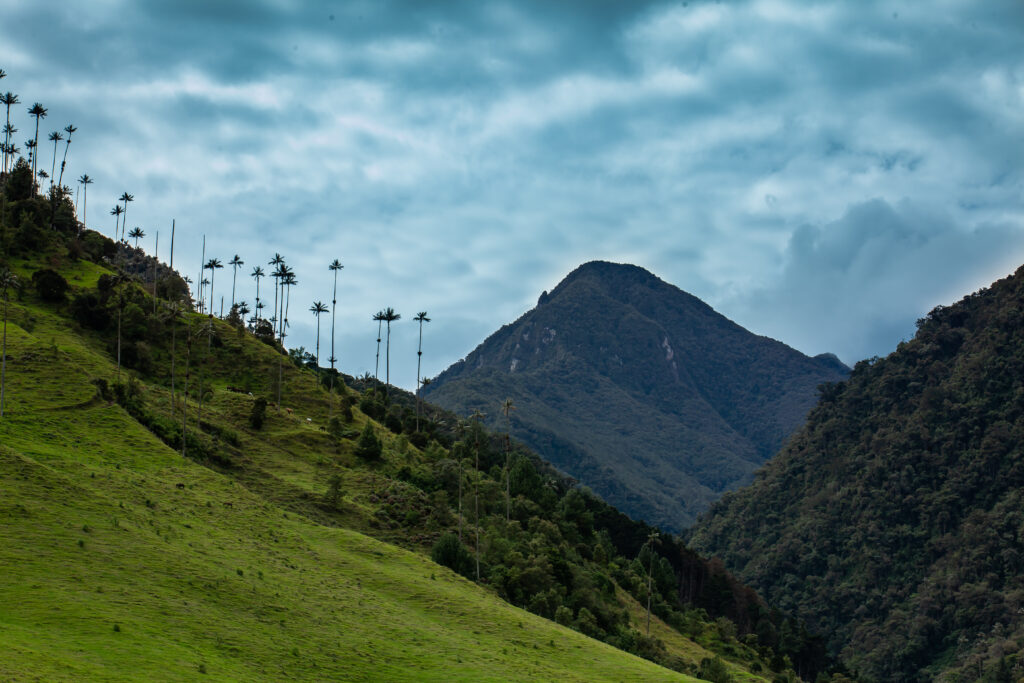
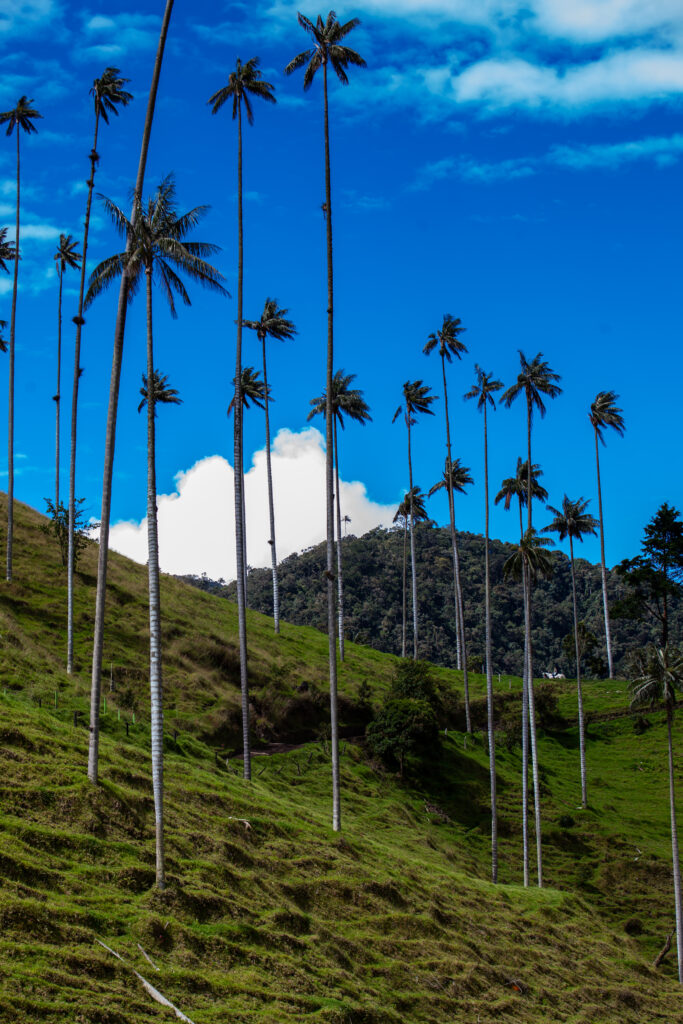
I had seen photographs of the wax palms in Cocora Valley before I arrived.
Honestly, I assumed the photographers had done what photographers do. Find the best angle, wait for the right light, and make the trees look taller than they really were.
They did not need much help.
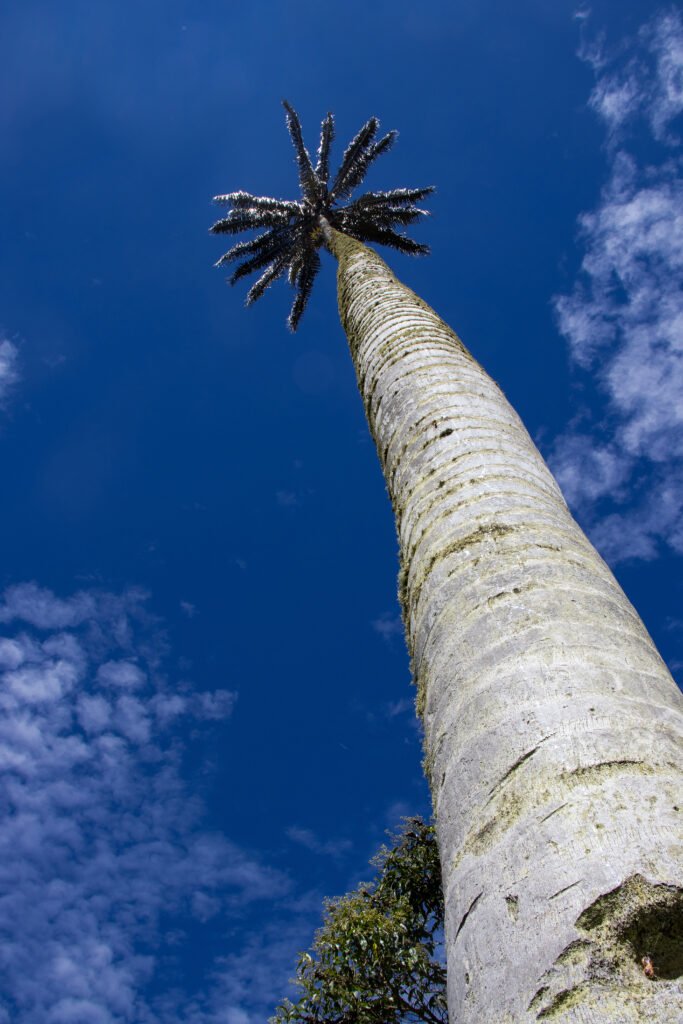
The palms really are that tall.
They rise above the hills in a way that looks slightly improbable, as though someone placed them there after the rest of the landscape was finished.
That was one of several moments when Colombia looked familiar because I had seen the photographs, yet still felt different standing there.
Photos can show scale.
They cannot always explain what it feels like to keep looking up.
Wild Colombia
Colombia is considered one of the most biodiverse countries in the world.
That sounds impressive, but statistics do not always mean much until you start moving through a place.
Then you notice the birds.
The butterflies.
The monkeys.
The sloths, assuming you are patient enough to find them.
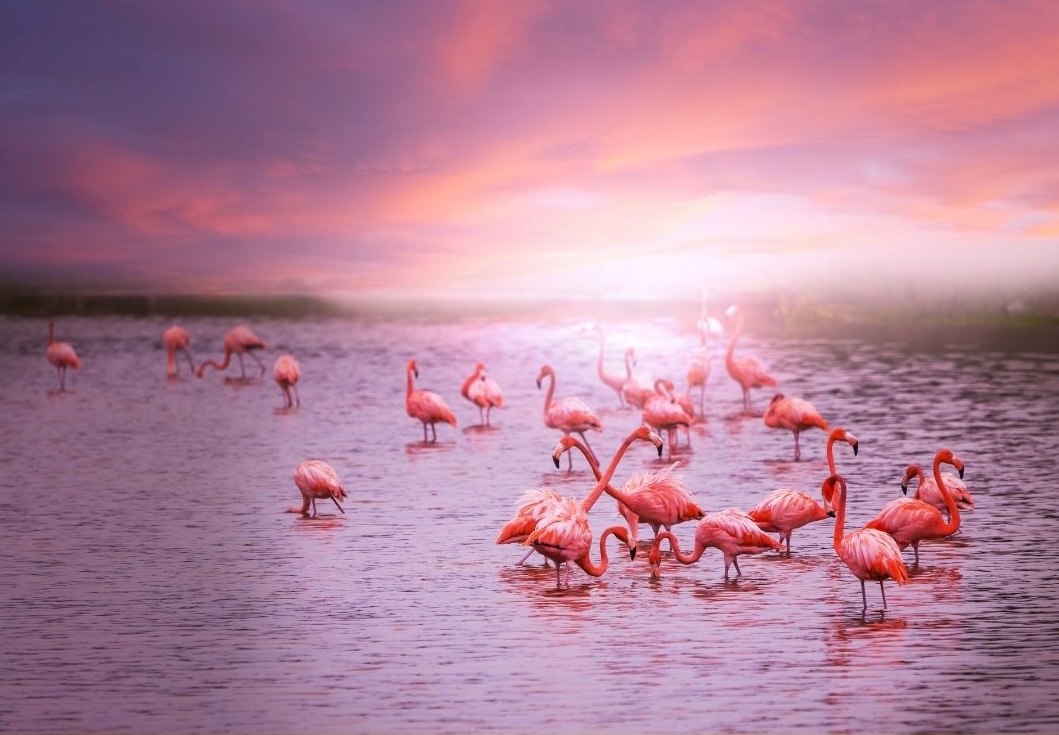
There are also jaguars, sea turtles, whales, river dolphins, and countless species most visitors will never see.
I am not someone who needs to identify every bird or animal to enjoy the moment. I am perfectly happy knowing there is something colorful in the tree that was not there a second ago.
Birding enthusiasts could stay busy for a very long time.
The rest of us can simply stop, look, and appreciate that Colombia has an extraordinary amount of life packed into one country.
More Than a Cup of Coffee
Yes, the coffee is excellent.
That was not the surprise.
What interested me more was everything behind it.
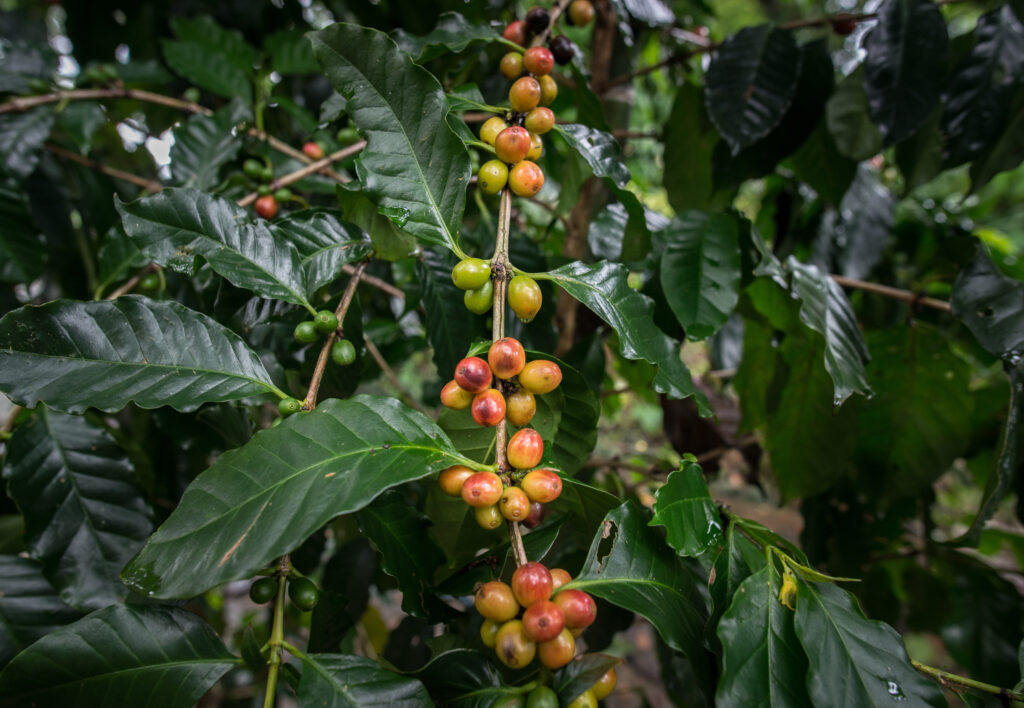
The hillsides. The farms. The families. The work that happens before the beans are roasted, packaged, and poured into a cup somewhere far away.
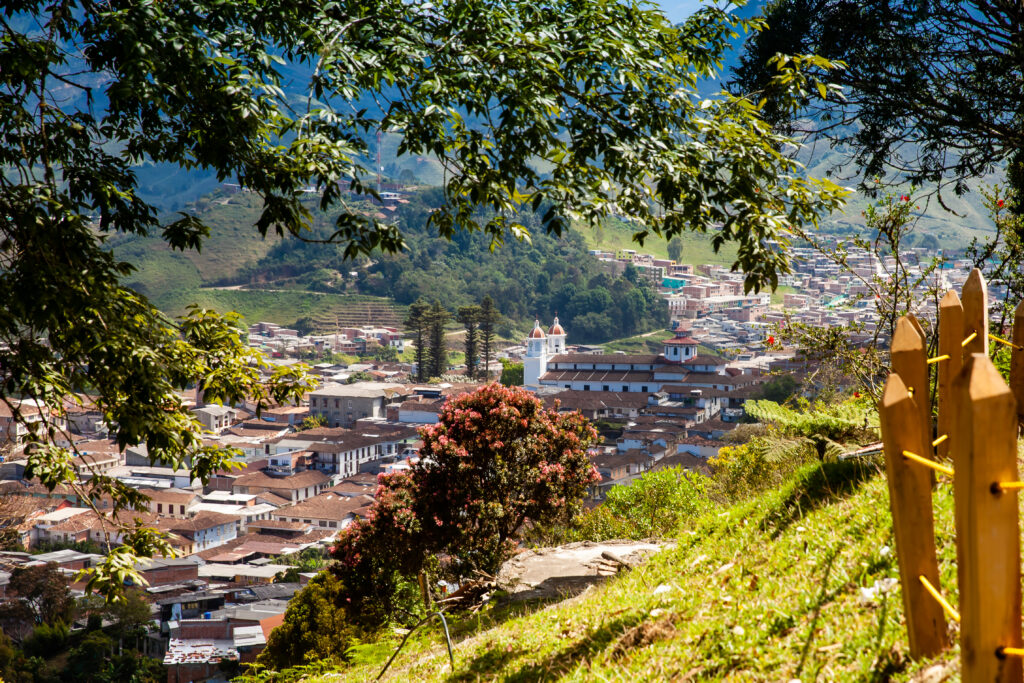
Traveling through Colombia’s Coffee Region makes an ordinary morning habit feel less ordinary.
Coffee is not simply a product there. It is tied to the land, the towns, the roads, and generations of people who understand exactly what they are growing.
The region itself deserves time.
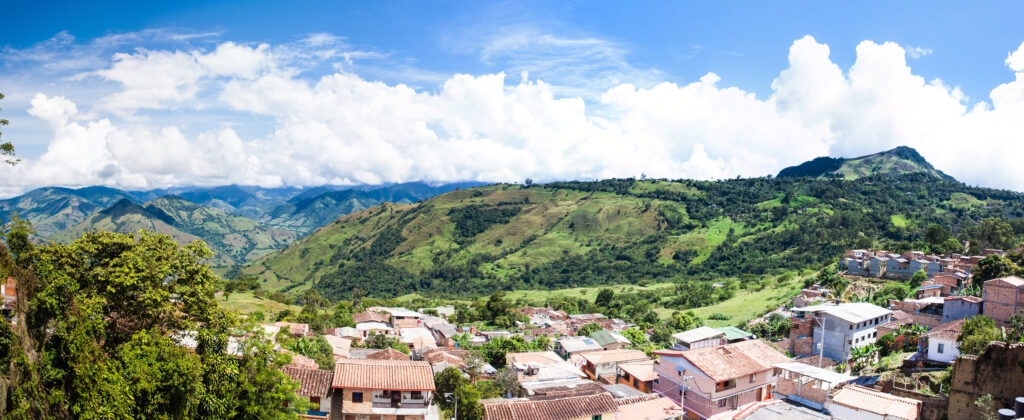
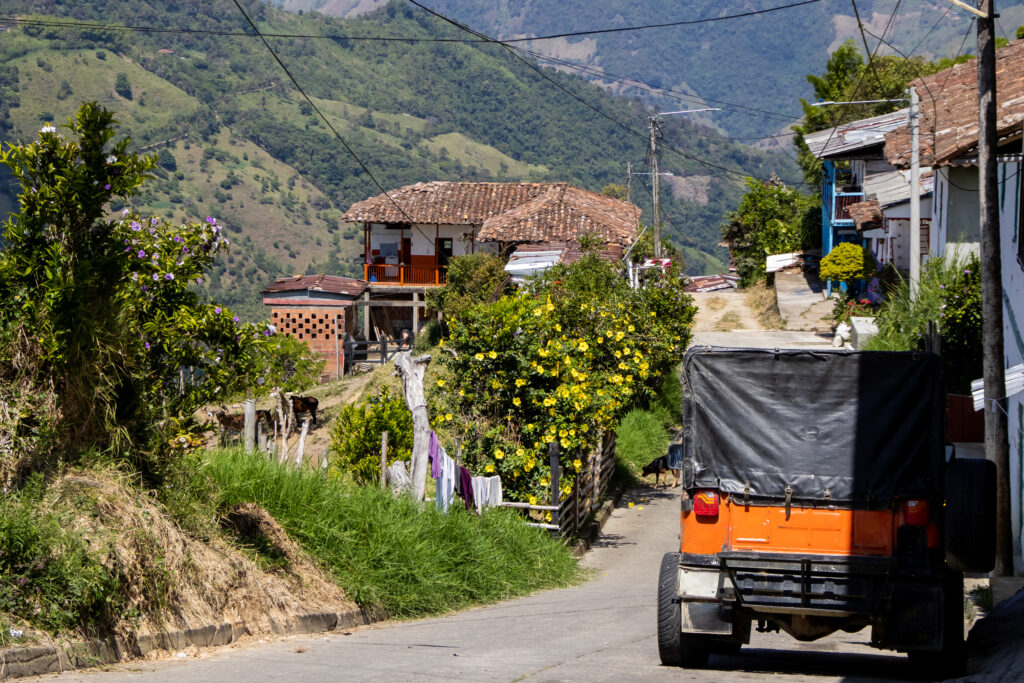
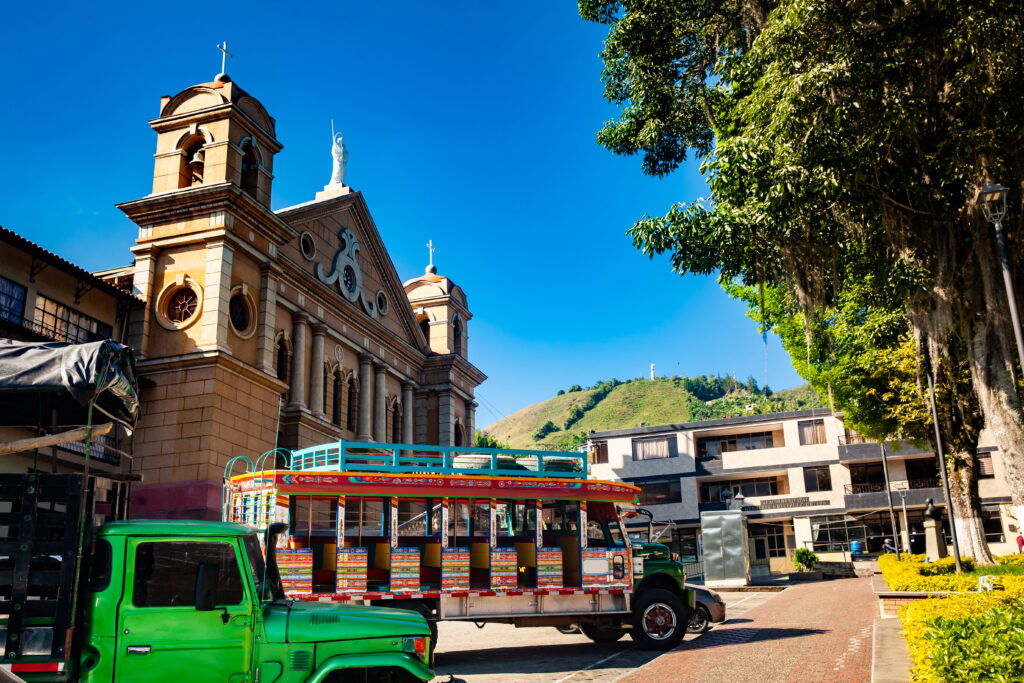
There are green hills, small villages, farms, Willys Jeeps carrying people and supplies, and roads that seem determined to take the scenic route.
That suits me just fine.
Markets, Fruit, and Asking “What Is That?”
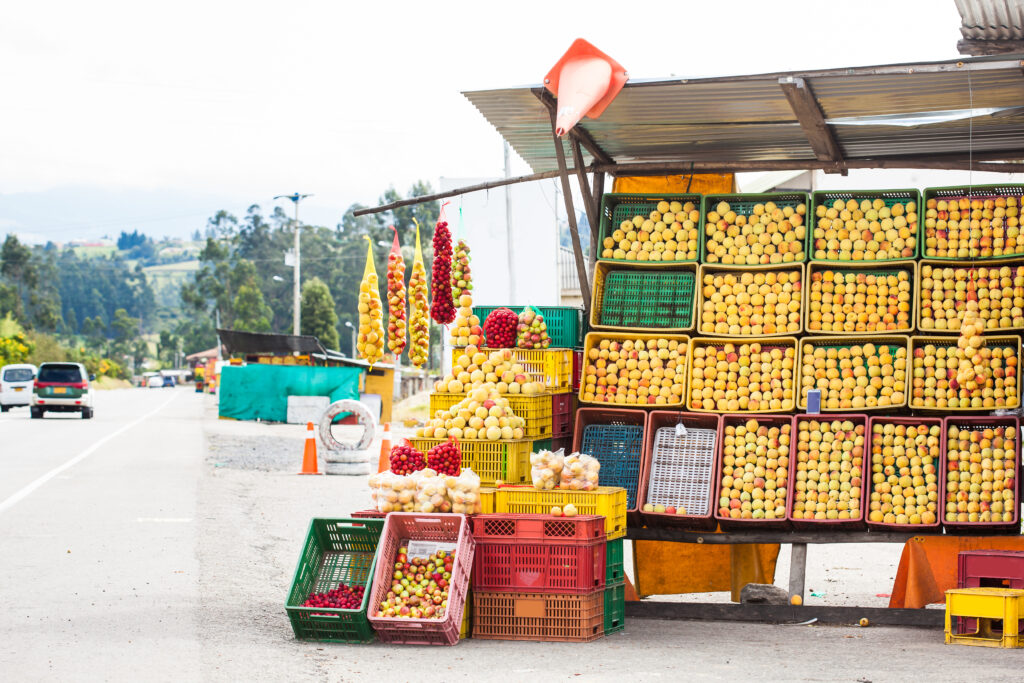
Give me a local market over a souvenir shop almost every time.
Markets tell you what people actually eat, buy, carry home, and cook for dinner.
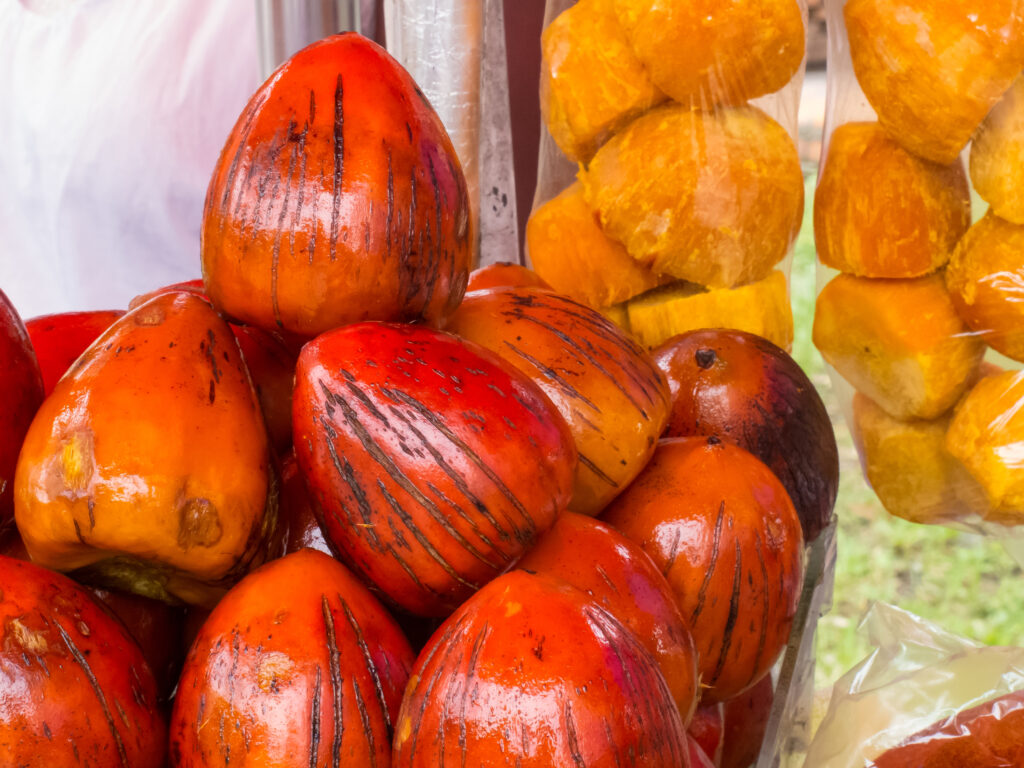
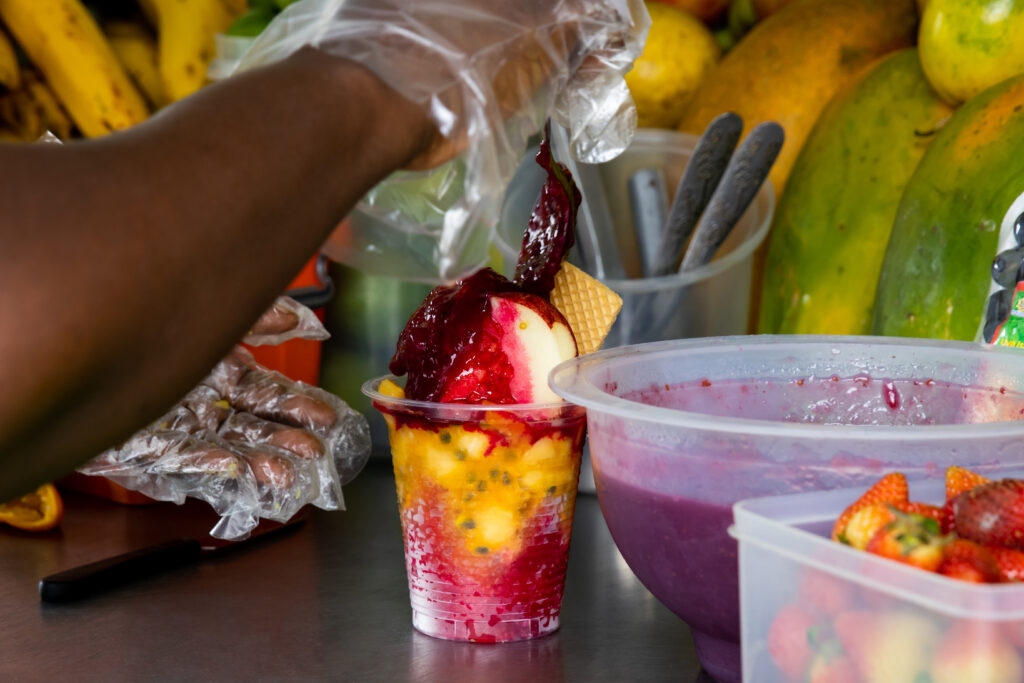
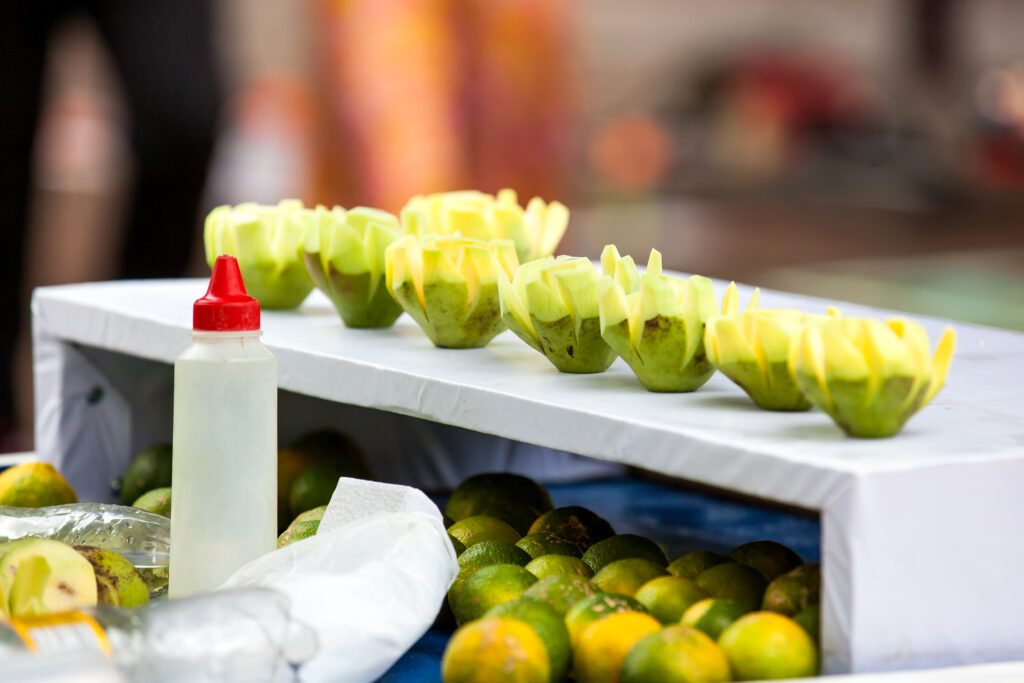
In Colombia, they also introduce you to fruit you may never have seen before.
That usually leads to one of my favorite travel questions:
“What is that?”
Sometimes I understand the answer.
Sometimes I do not.
Either way, I will probably try it.
Colombia’s markets are filled with color, noise, flowers, vegetables, fresh juice, food stalls, and people who know exactly what they came to buy. I am usually the person wandering slowly, looking at everything, and trying not to block the aisle.
Those are not dramatic travel moments.
They are simply part of being there.
And I remember them.
Arepas, Chocolate, and the Things People Make
Food is one of the easiest ways to understand daily life.
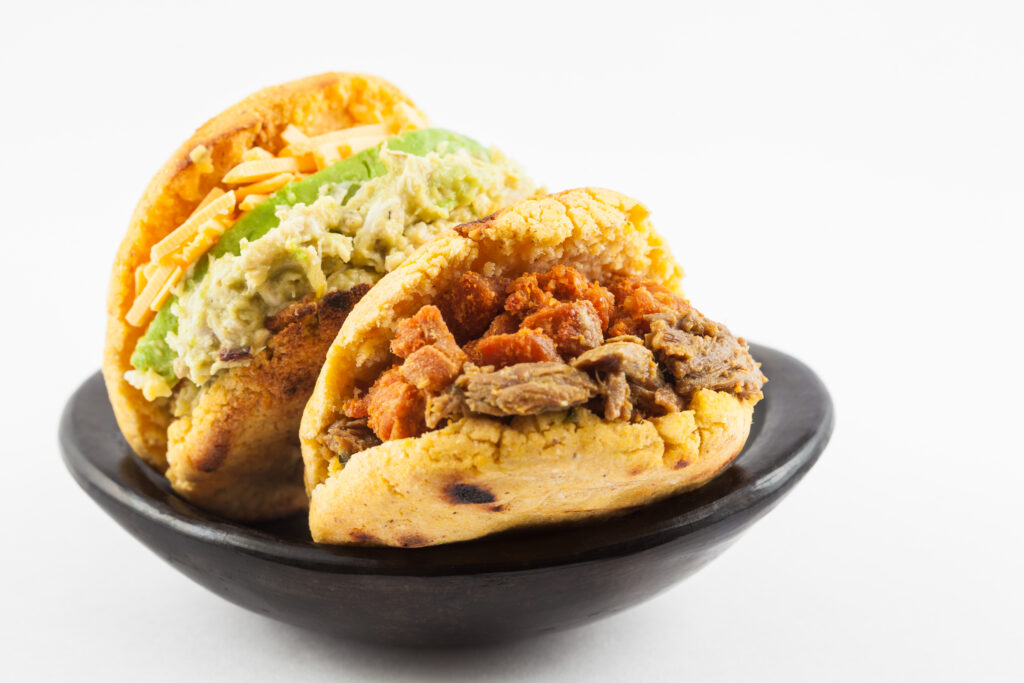
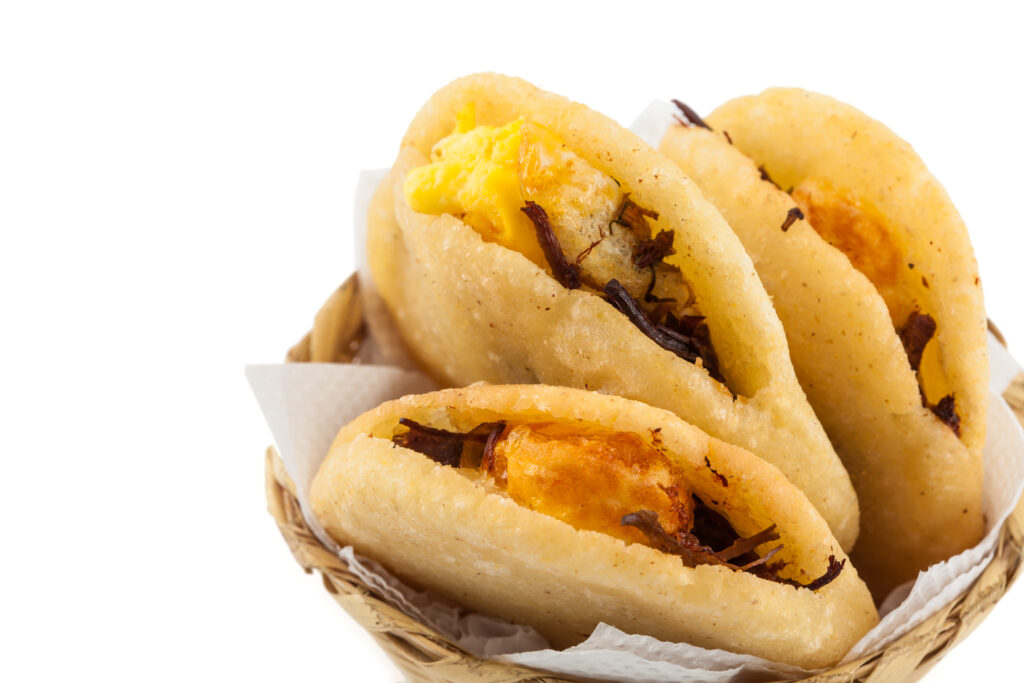
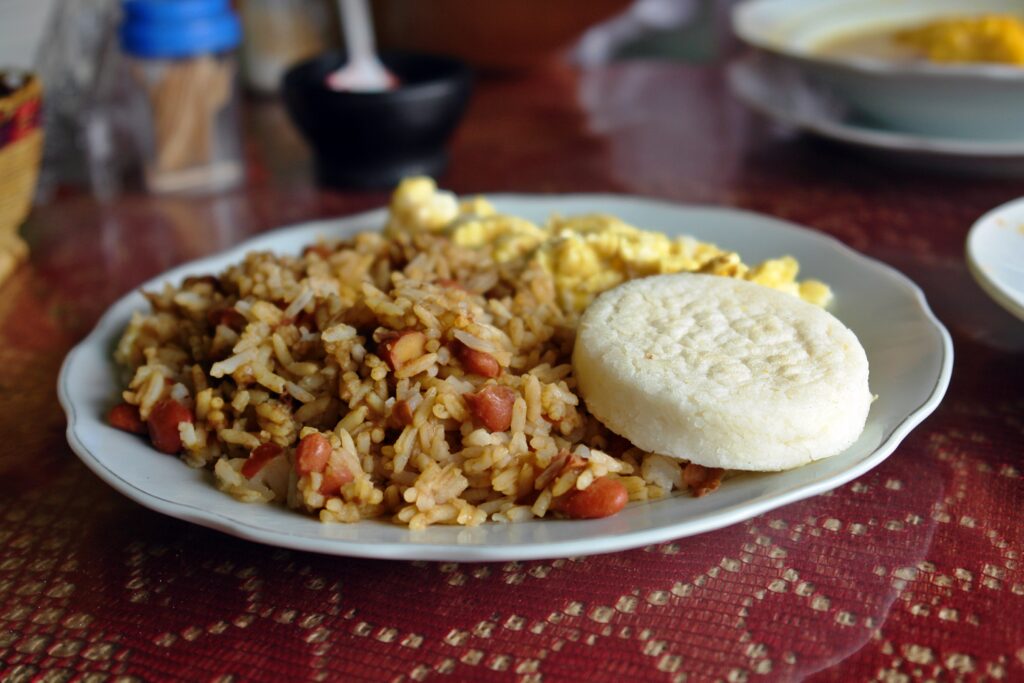
Arepas are a good example.
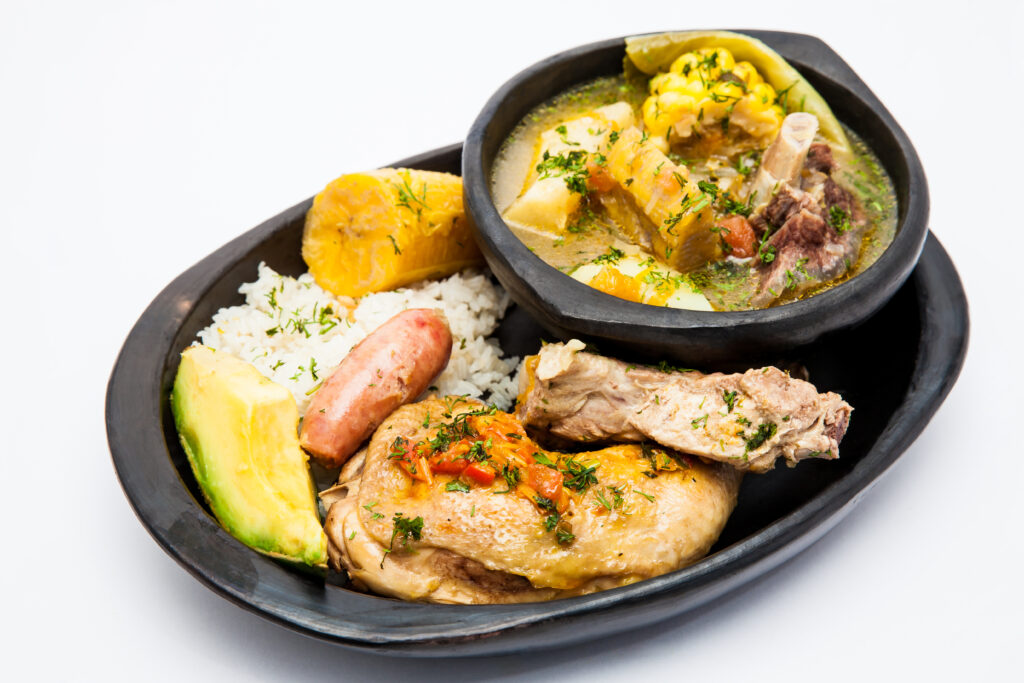
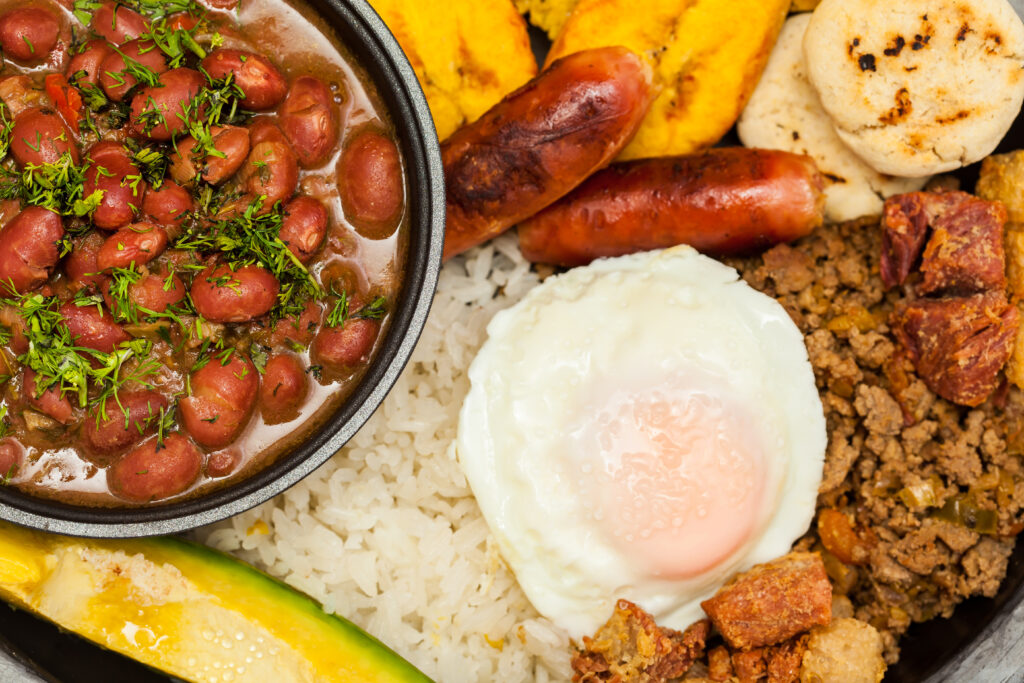
They are simple, familiar, and found in different forms across the country. They are not presented as some grand culinary event. They are simply part of life.
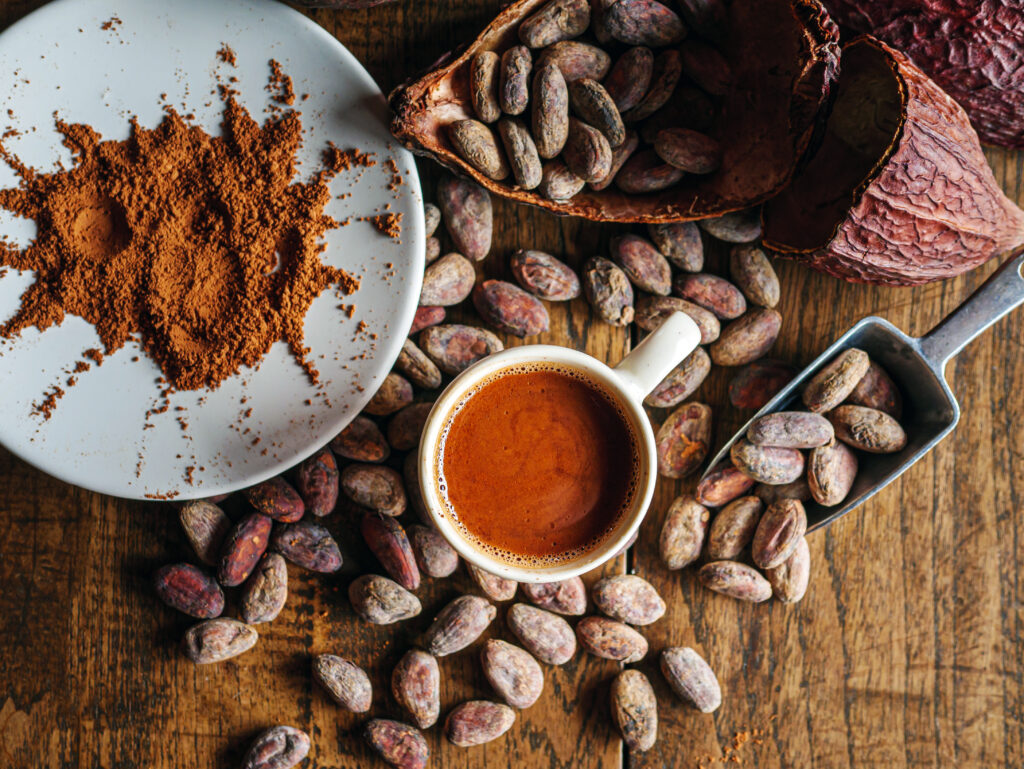
Chocolate tells another story.
Long before it becomes something wrapped and placed on a shelf, cacao has to be grown, harvested, fermented, dried, and processed. Learning even a little about that process changes how you think about the finished product.
I tend to gravitate toward people who make things.
Food. Coffee. Jewelry. Textiles. Art.
Colombia has no shortage of artisans, and I find the conversation is often as interesting as whatever is being sold.
The object may come home with me.
The story usually does.
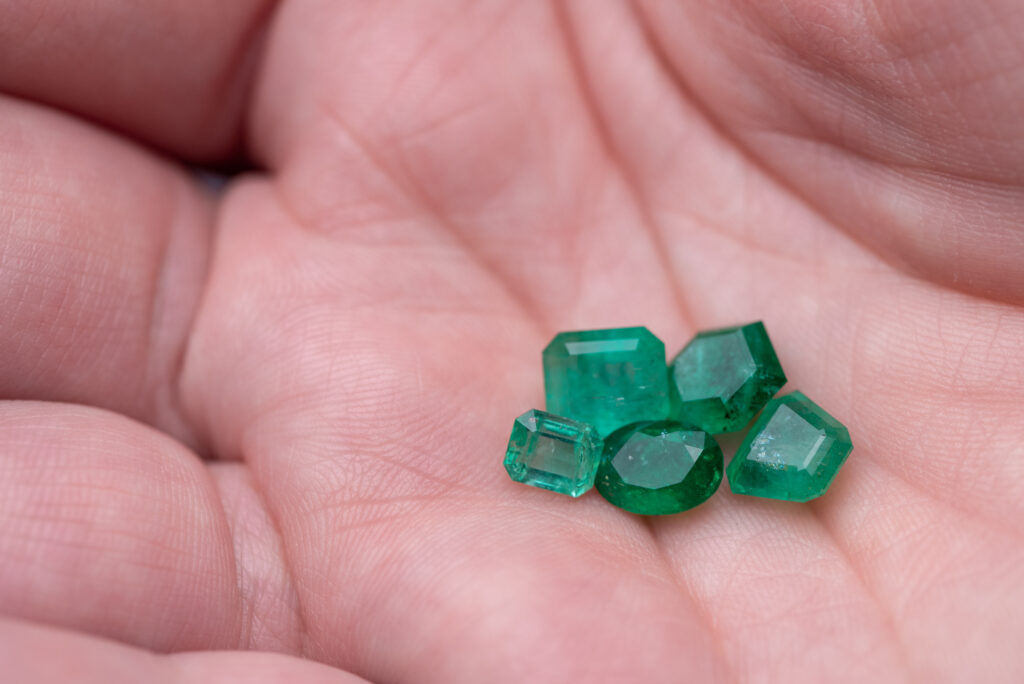
One of my favorite stories is about me trying to purchase an emerald. I was looking for the best I could afford meaning not the best quality stone anywhere but not the worse but something in between that I was willing to spend money on. I went in there with research, horrible Spanish and an expert who briefed me. He also came with me to translate if necessary and act as my travel partner. Found what I wanted and had a ballpark price I should spend – let the negotiating begin in terrible Spanish/my half English and hand gestures. Did I end up getting it? In this case yes. Wear it to this day? Sometimes. Remember the look on the Jewelers face and my ‘secret partner’ expert trying not to bust out laughing? YES. That is one of my favorite memories and stories. Not for the gem I got but for the events that happened during the purchase. Colombia will provide opportunities for life long memories almost more than anywhere I’ve traveled in the world.
Color Without Trying Too Hard
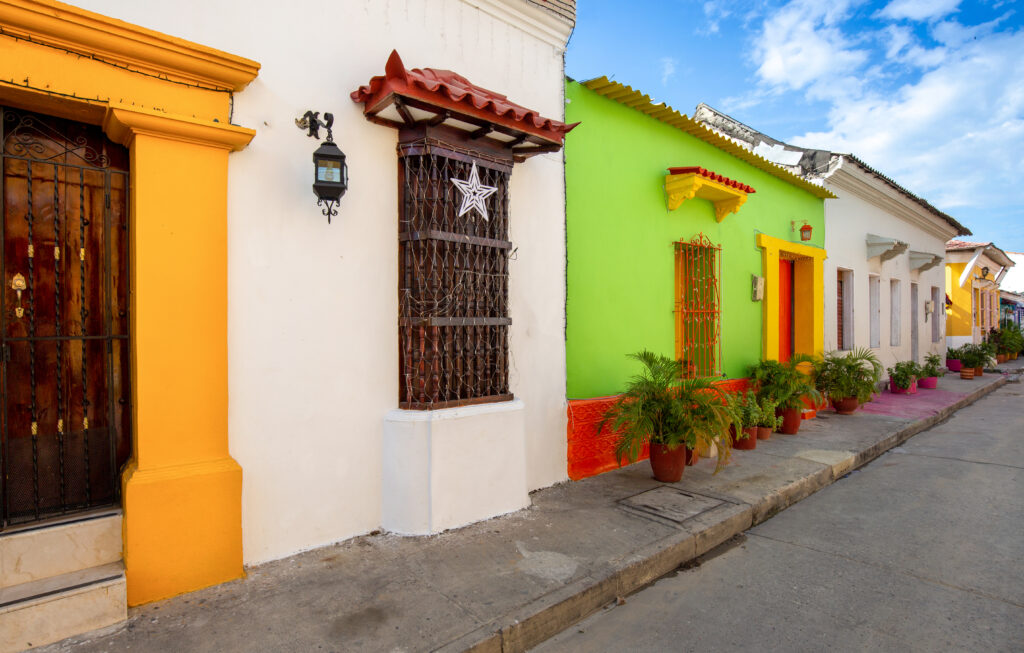
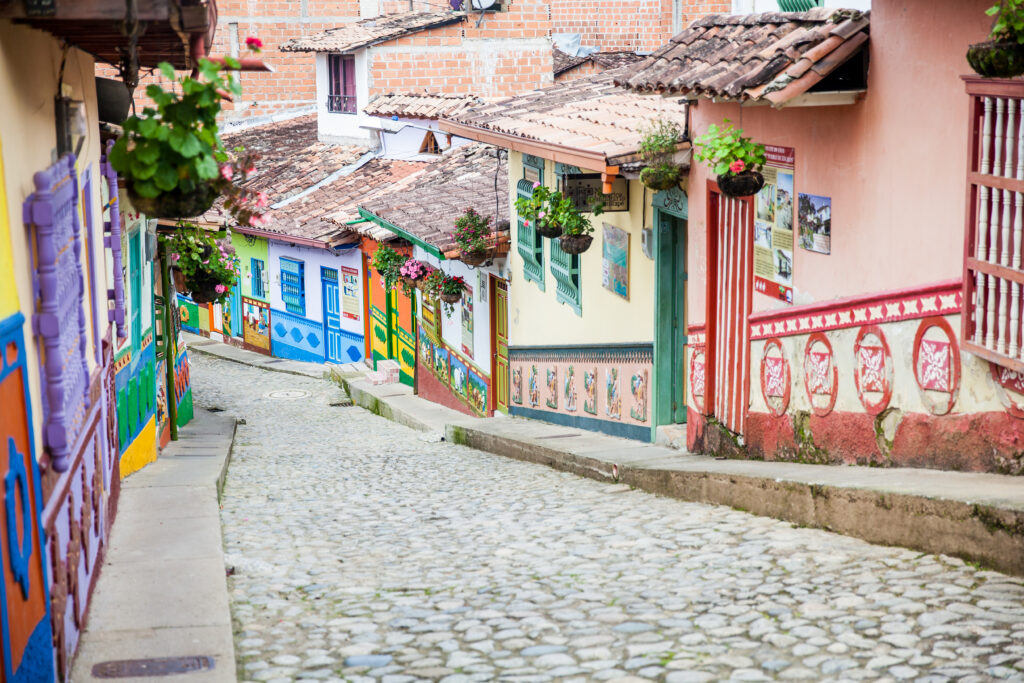
Colombia uses color well.
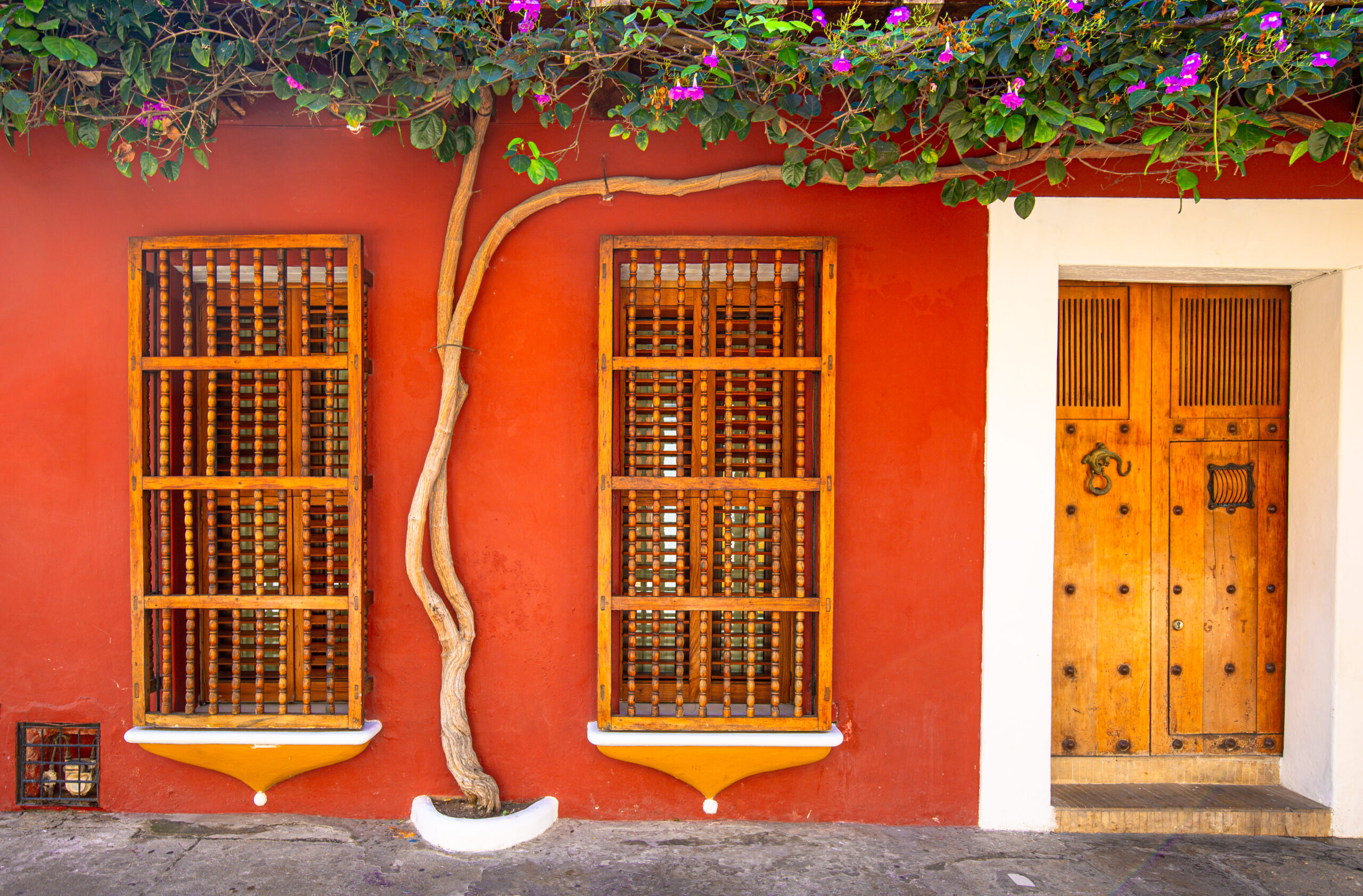
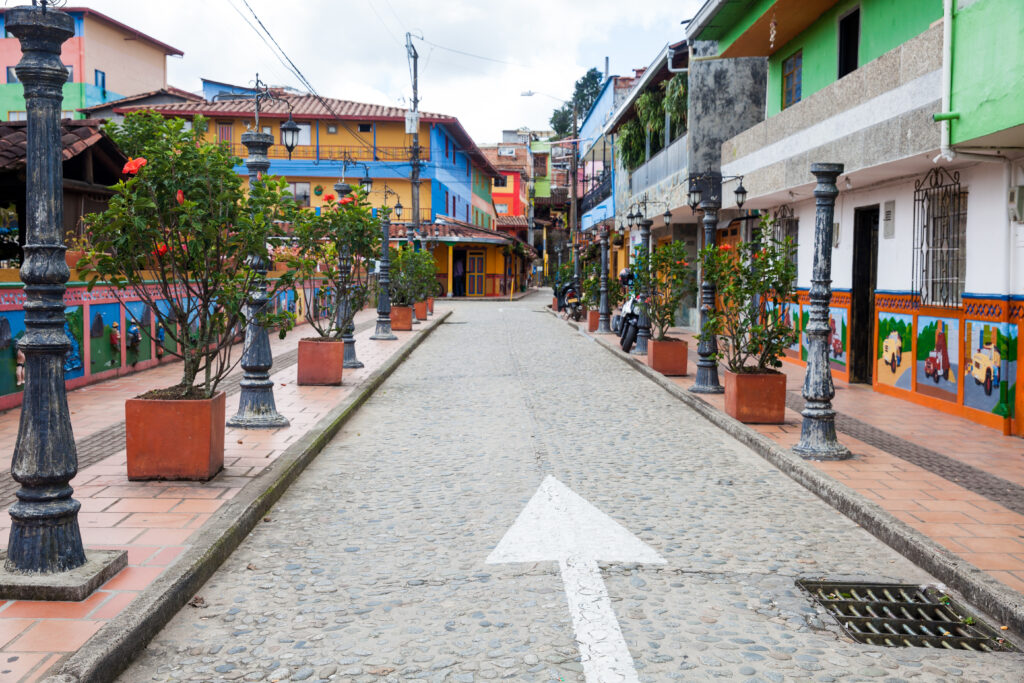
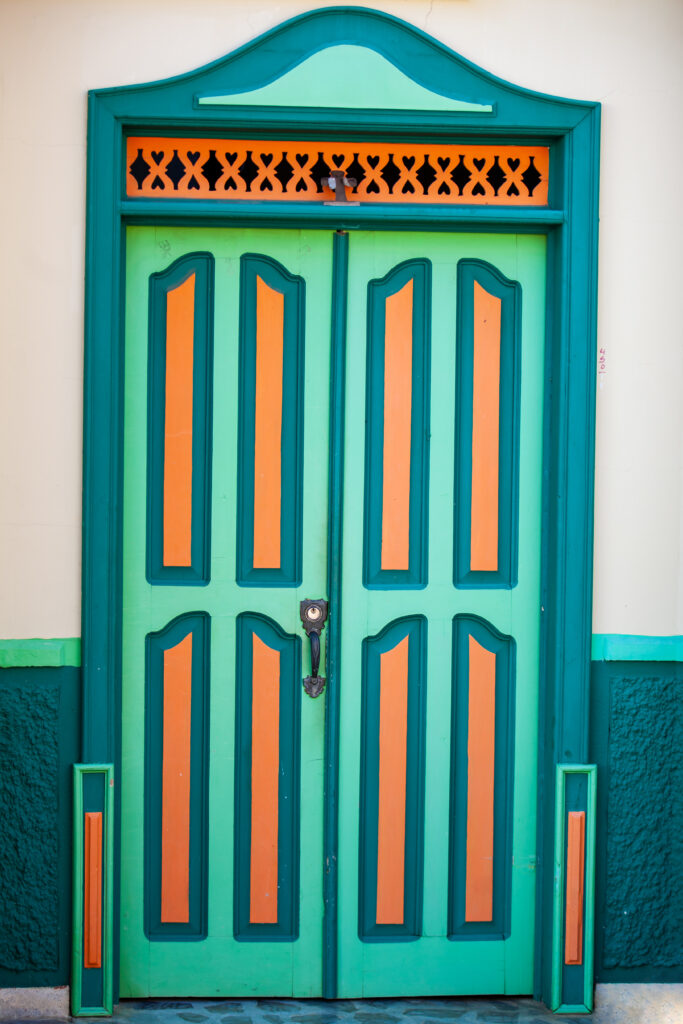
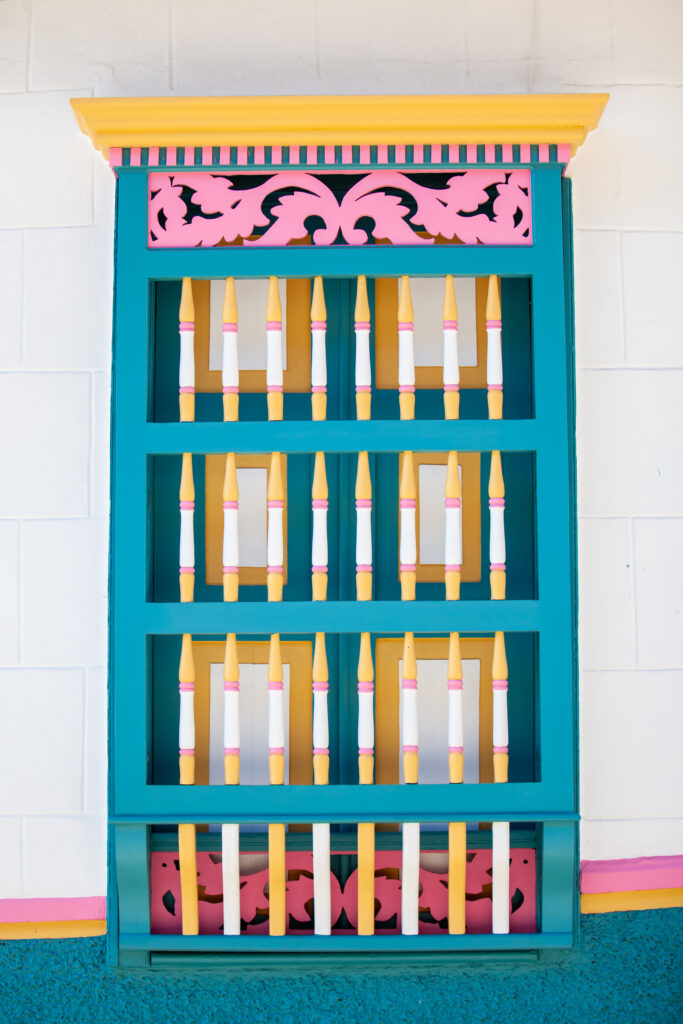
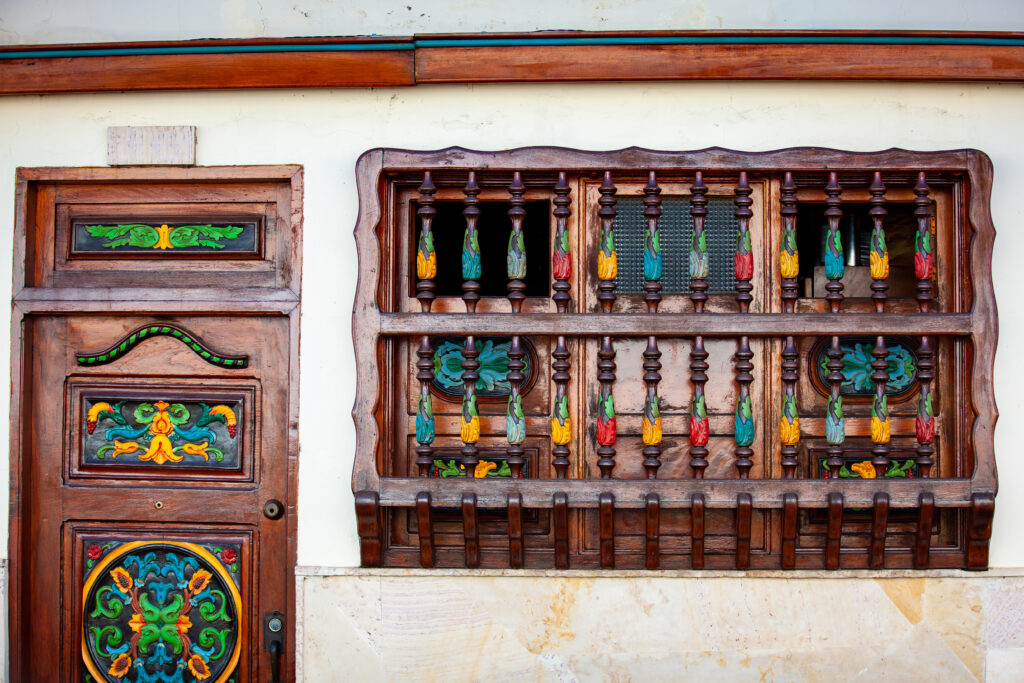
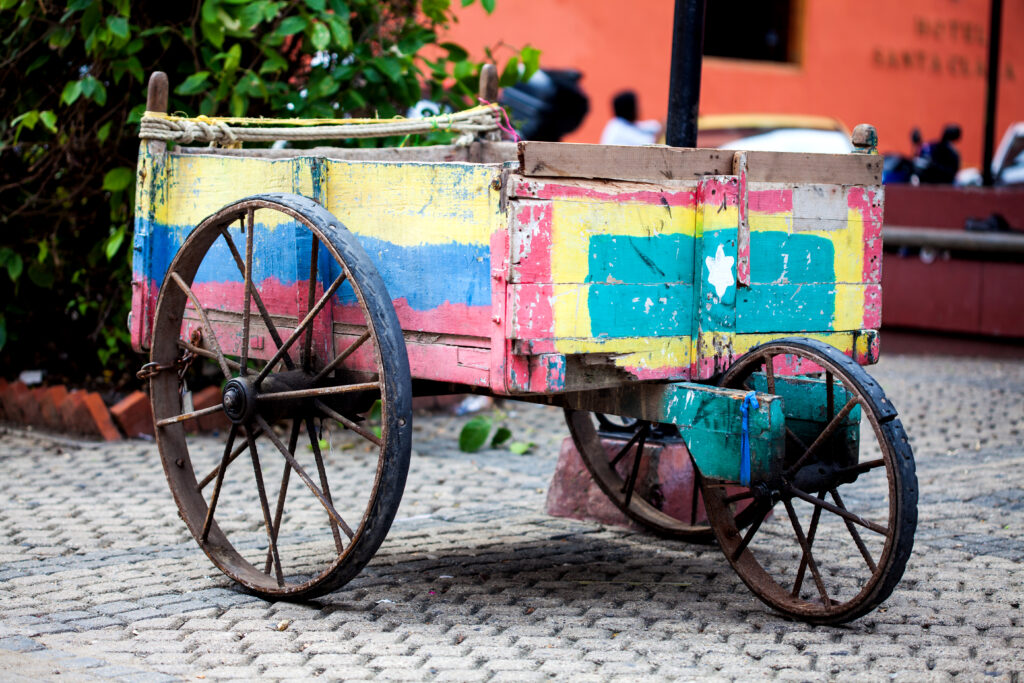
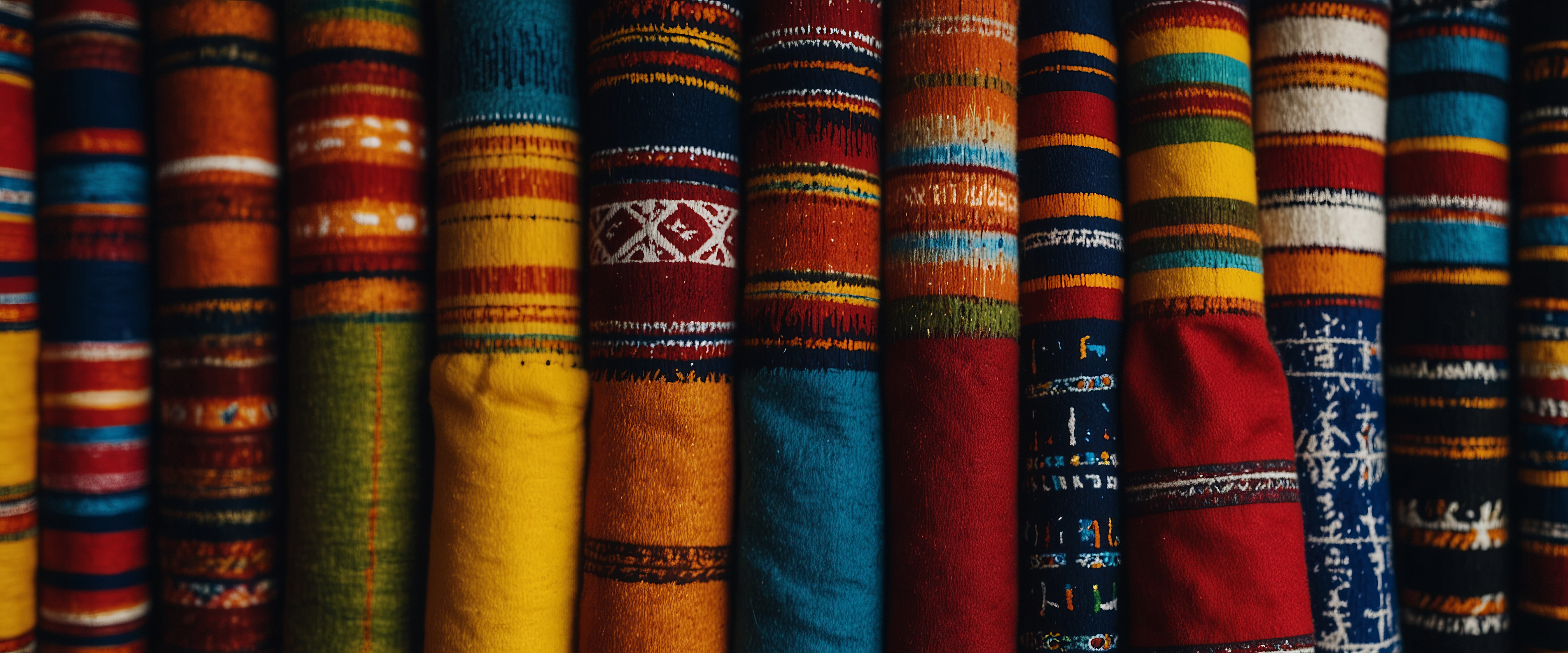
It appears on doors, balconies, murals, flowers, fruit stands, clothing, buses, and entire streets.
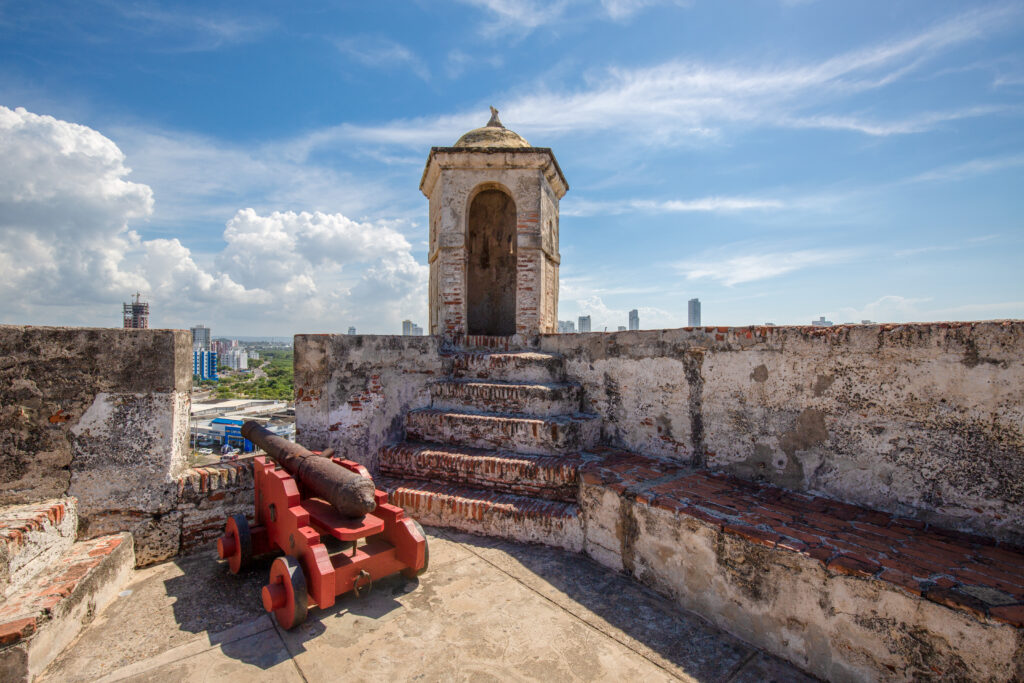
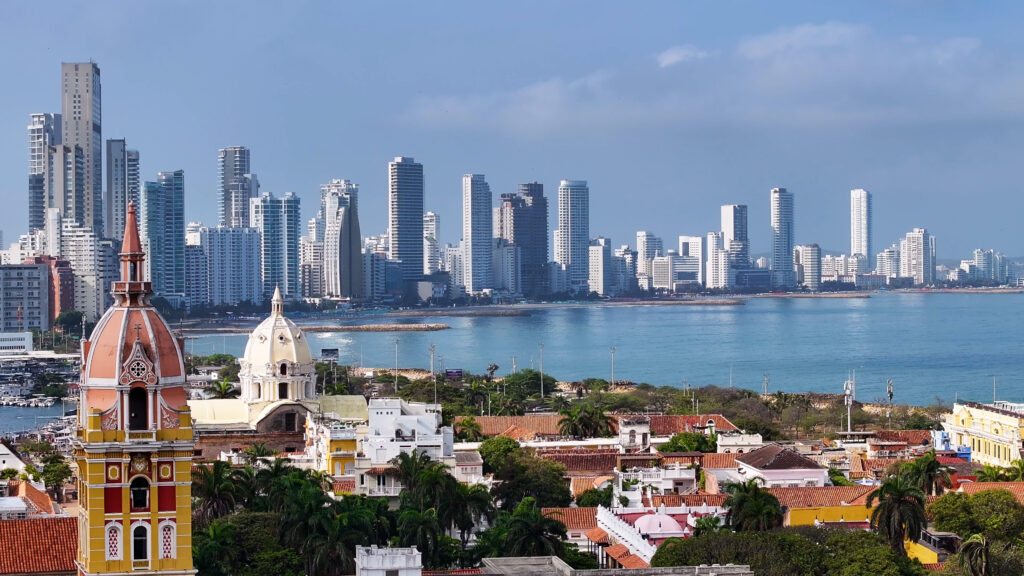
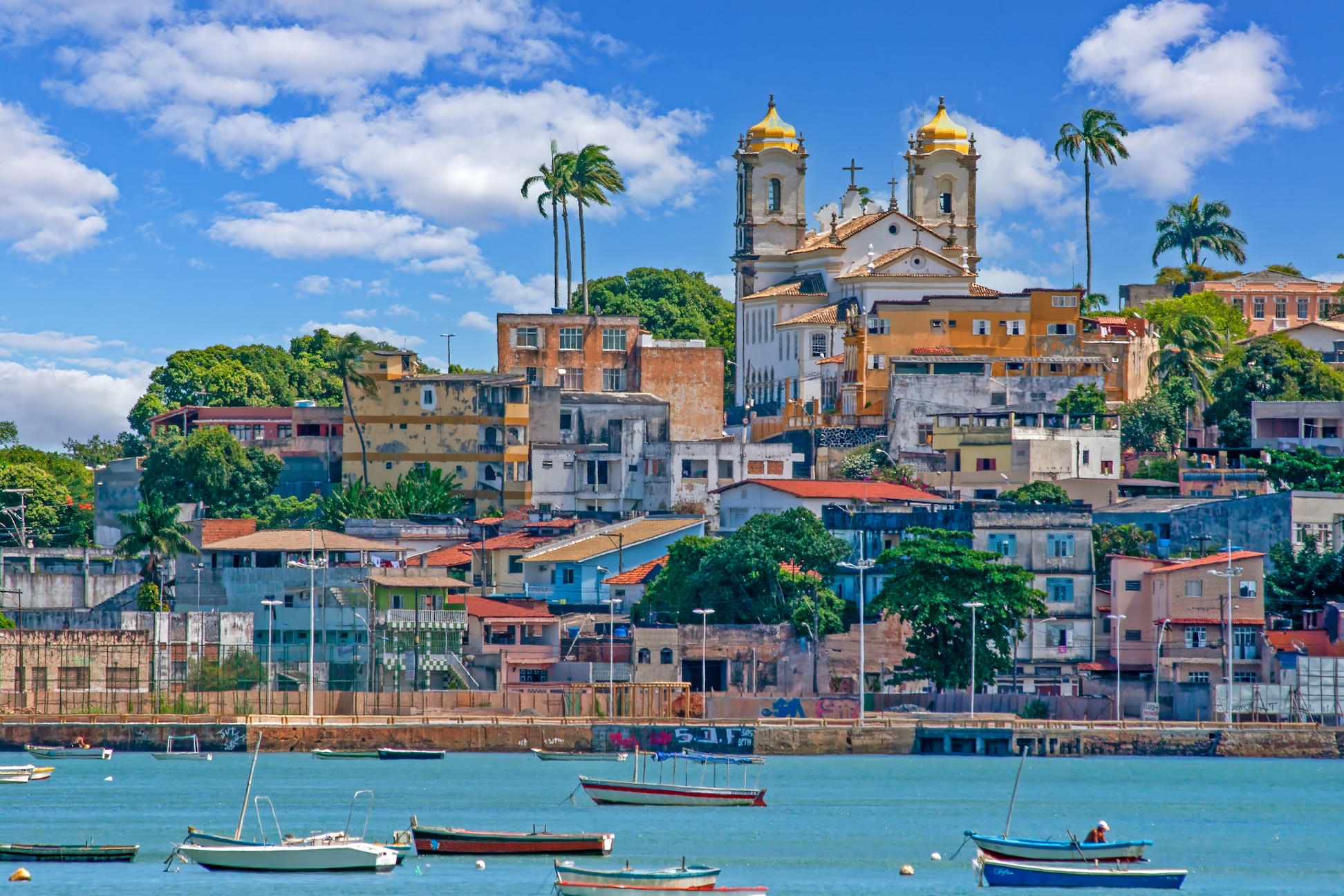
Cartagena is known for colorful colonial buildings, and the city certainly provides plenty of photographs. It was not my favorite place in Colombia, but that does not mean I could not appreciate what other travelers see in it.
I found myself looking beyond the obvious views.
A doorway.
A balcony.
A quiet street away from the busiest areas.
A wall with layers of paint.
Sometimes that is how I work around my own bias. I stop asking whether I love a place and start asking what someone else might notice.
There is almost always something.
Cities Are Not Frozen in Their Past
Colombia still carries the weight of old headlines.
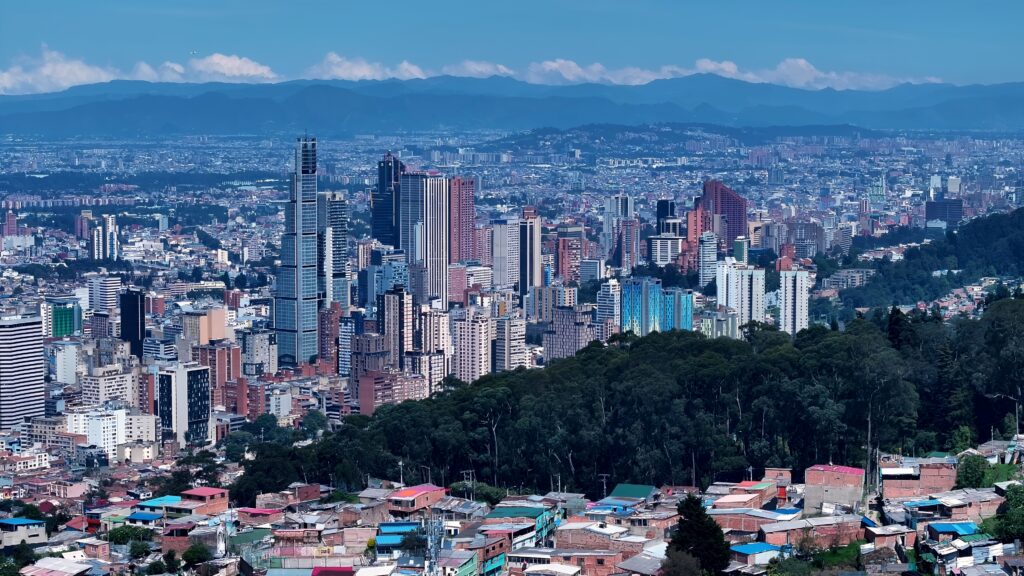
Medellín probably carries more of them than most.
But cities are not frozen at the worst point in their history.
People continue living there. Neighborhoods change. Communities create new stories.
Comuna 13 is one example.
Its history is difficult, but its present includes art, music, businesses, visitors, and residents who have worked hard to change how the neighborhood is seen.
Travel does not erase the past.
It does, however, give us the chance to see what happened next.
That matters.
The People Between the Places
Landmarks are easy to list.
People are harder to summarize.
I remember smiles, short conversations, market vendors, coffee growers, artists, drivers, and people going about a completely normal day while I was standing there looking around.
Travel has a funny way of turning someone else’s ordinary Tuesday into part of your memory.
A person gives directions.
Someone laughs because you pronounced something badly.
A vendor convinces you to try a fruit.
A driver stops because you want one more photograph.
None of that is on the itinerary.
It still counts.
In many cases, it counts more.
Plans Are Suggestions
I plan my trips.
Anyone who knows me knows that.
I research. I organize. I know what I hope to see.
Then I arrive and treat the plan as a suggestion.
That is especially useful in places where roads, weather, timing, and daily life do not always cooperate with the schedule you created at home.
South America has taught me that more than once.
Colombia was no exception.
You can spend the day frustrated because something changed, or you can look around and ask what else is possible.
Sometimes the answer is a different road.
Sometimes it is a longer lunch.
Sometimes it is the street on the right.
Sometimes it is stopping because there is a cat on the sidewalk and you want to see where it goes.
The landmark will still be there.
That moment may not.
What I Remember About Colombia
When I think about Colombia now, I do think about the coffee.
I think about the wax palms.
I think about green hills, bright streets, tropical fruit, wildlife, music, markets, and places that looked nothing like the place I had been the day before.
But mostly, I remember how often the country made me change direction.
Not in a dramatic way.
Just enough to notice something I might otherwise have missed.
Colombia was not easy to summarize before I went.
It is not any easier now.
That is part of its appeal.
It is a country with more than one story, more than one landscape, and far more than one first impression.
See the main square.
Take the photograph.
Drink the coffee.
Then look to the right.
You may find the part of Colombia you remember most.
Until next time,




Join the Discussion