Croatia by Coast and Contrast: From Adriatic Shores to Inland Quiet
Croatia is often seen in blue.
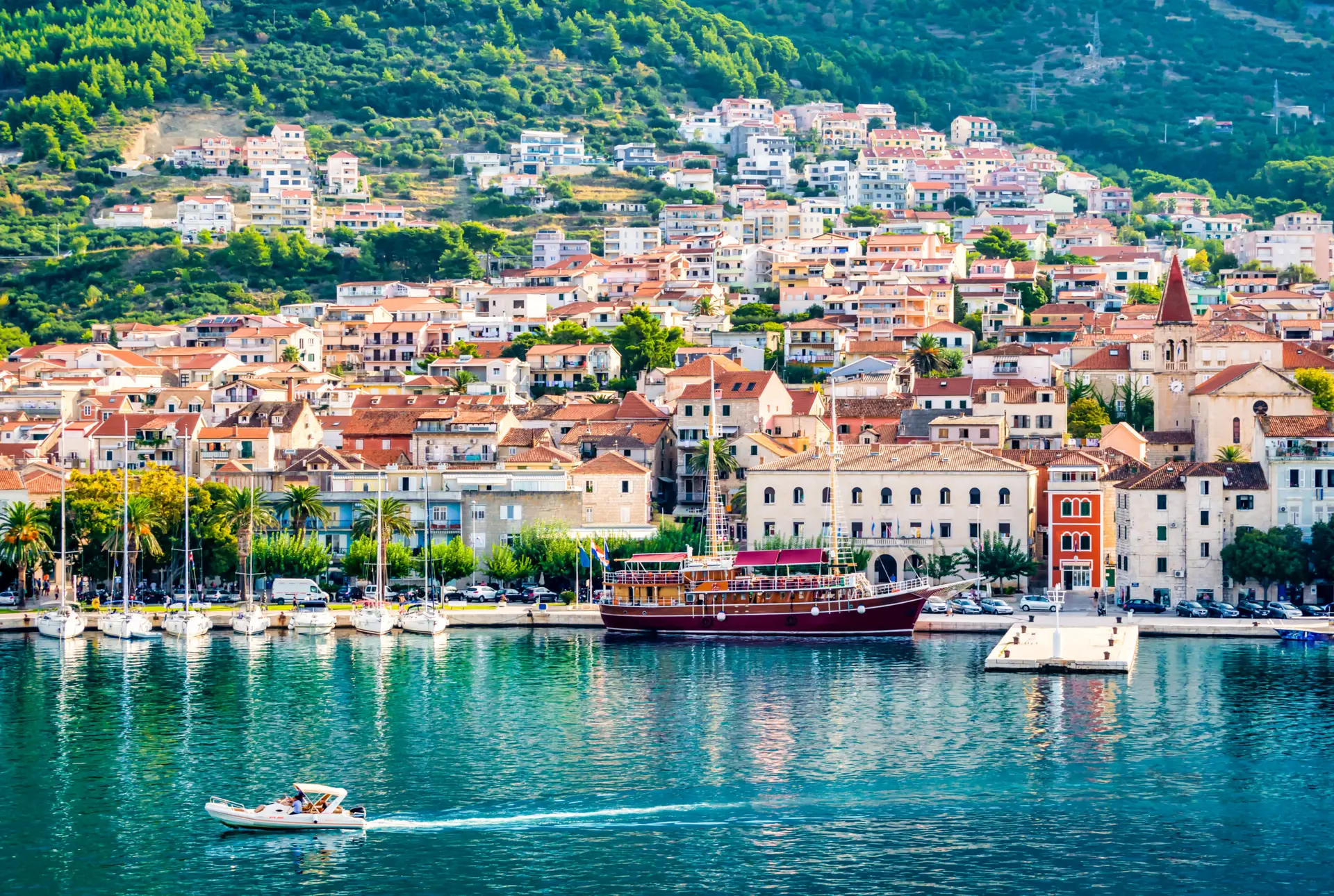
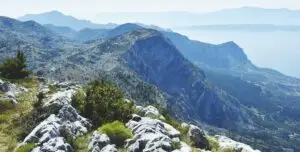
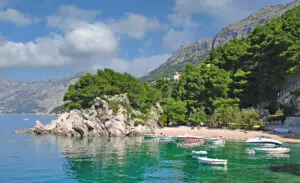
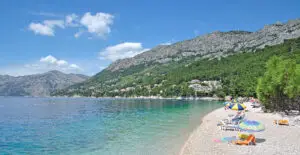
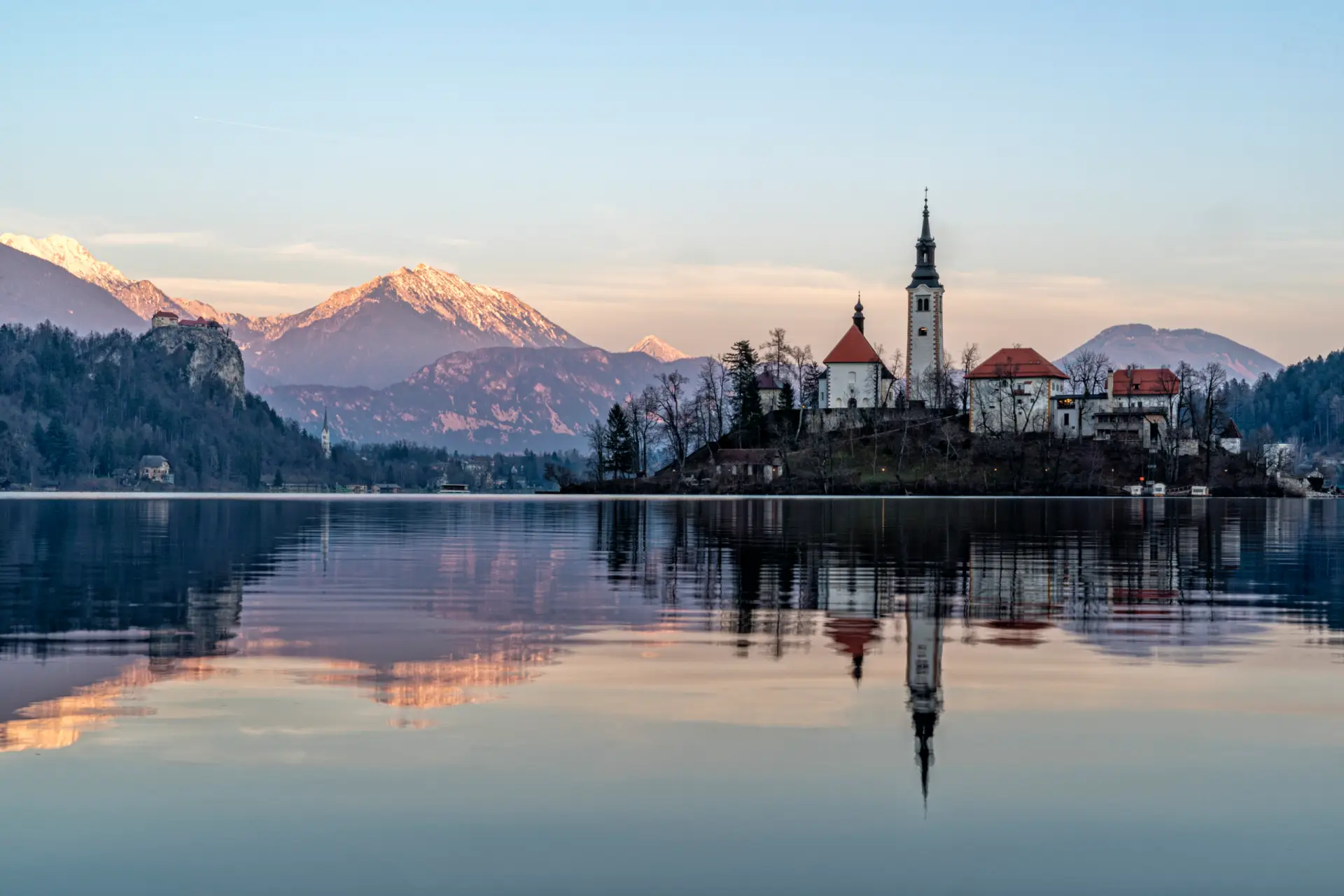
The Adriatic, clear and constant, tends to define first impressions. Coastlines stretch. Islands scatter. Historic towns sit between water and stone in a way that feels both grounded and exposed at the same time.
It’s a strong introduction.
And for many, it becomes the lasting one.
But Croatia is not only coastal.
It is a country of contrast.
The Coastline: Where Most Journeys Begin
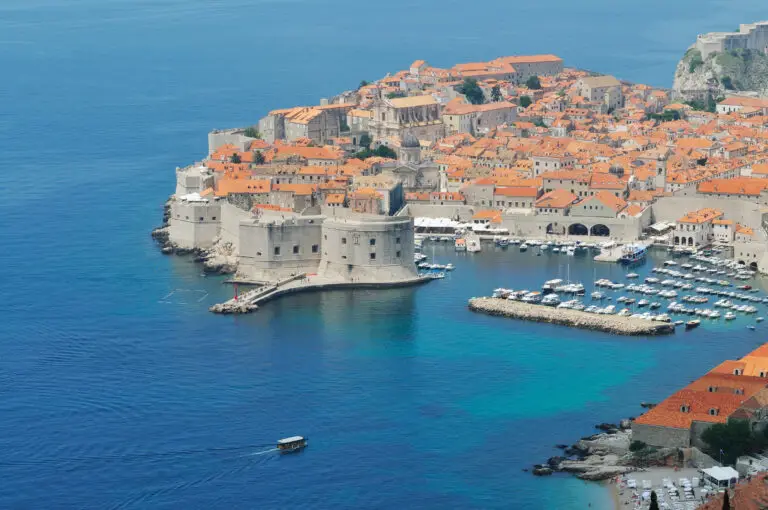
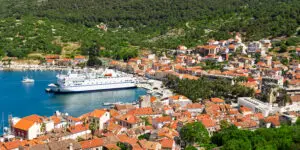
Cities like Dubrovnik and Split offer immediate context.
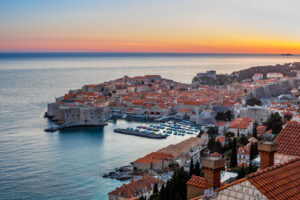
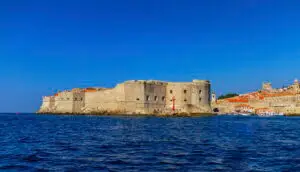
Dubrovnik is structured and enclosed. Defined by its walls, yes, but also by how those walls interact with the sea. From above, it feels complete. Almost contained within itself. Once inside, it unfolds differently. Streets narrow. Light shifts. Movement slows without being forced.
Split moves in another direction.
Less contained. More integrated. History exists inside daily life rather than alongside it. Diocletian’s Palace is not separate from the city. It is the city. Shops open into stone corridors. Cafés sit where history once stood uninterrupted.
And through both, the sea remains close.
Not just visually, but in how the cities feel and function.
Movement Along the Adriatic
Travel in Croatia tends to follow the coastline.
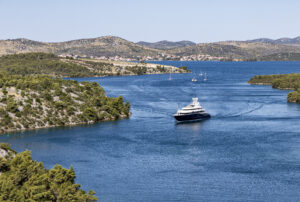
Roads curve more than expected. Elevation changes just enough to shift perspective. The Adriatic appears, disappears, then returns again. What looks close on a map often takes longer to reach.
Movement becomes part of the experience, whether you expect it to or not.
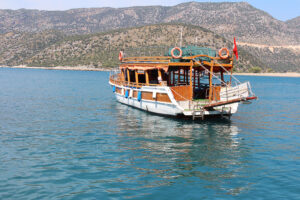
Ferries connect the islands. Smaller boats move between places that feel distinct, even when they sit within the same stretch of water. Schedules exist, but they are not always the defining factor.
Island hopping becomes less about distance.
More about variation.
Islands: Variation Within Consistency
Hvar brings energy.
Harbors stay active. Evenings extend. There is movement here that feels continuous, especially in the summer months.
Korčula shifts that slightly.
Similar structure. Similar feel. But quieter. Less urgency. A different pace that becomes noticeable once you settle into it.
Further out, the pattern continues.
Fewer people. Fewer options. More space to sit with where you are.
Across the islands, the experience repeats, but never exactly.
Water remains constant.
Everything else adjusts.
Food and Evenings: A Slower Rhythm
Coastal Croatia reflects its environment through food.
Seafood is expected. But what stands out is how little it is changed. Grilled fish. Olive oil. Bread. Wine that often comes from nearby rather than elsewhere.
Meals are not rushed.
Evenings tend to stretch without much effort. Sunset turns into dinner. Dinner turns into conversation. And conversation continues without a clear endpoint.
It’s not scheduled time.
It’s allowed time.
And that distinction becomes more noticeable the longer you stay.
Beyond the Coast: A Different Croatia
Moving inland changes the experience.
Not abruptly. But enough to feel it.
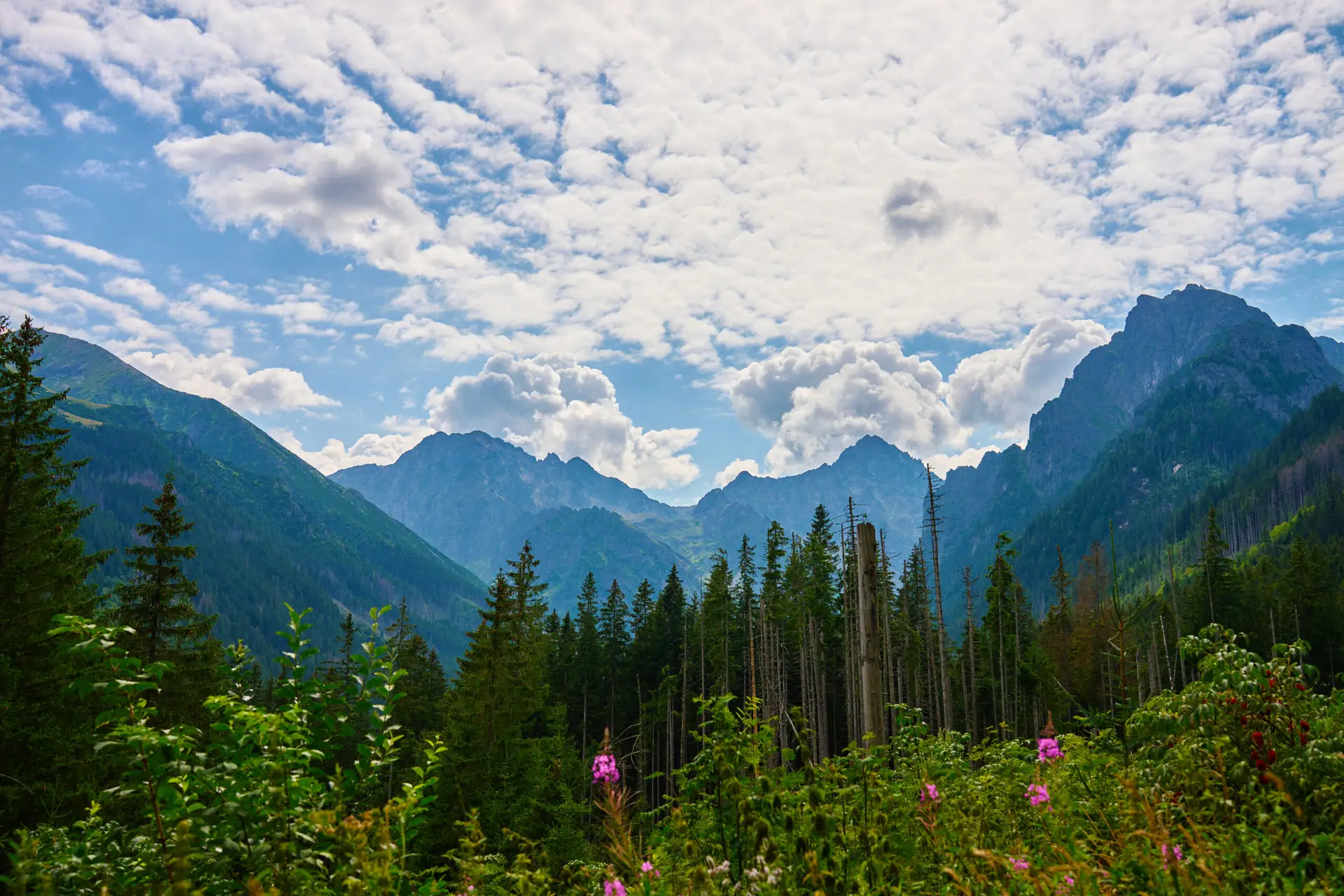
The sea disappears. The air shifts. The landscape begins to layer differently.
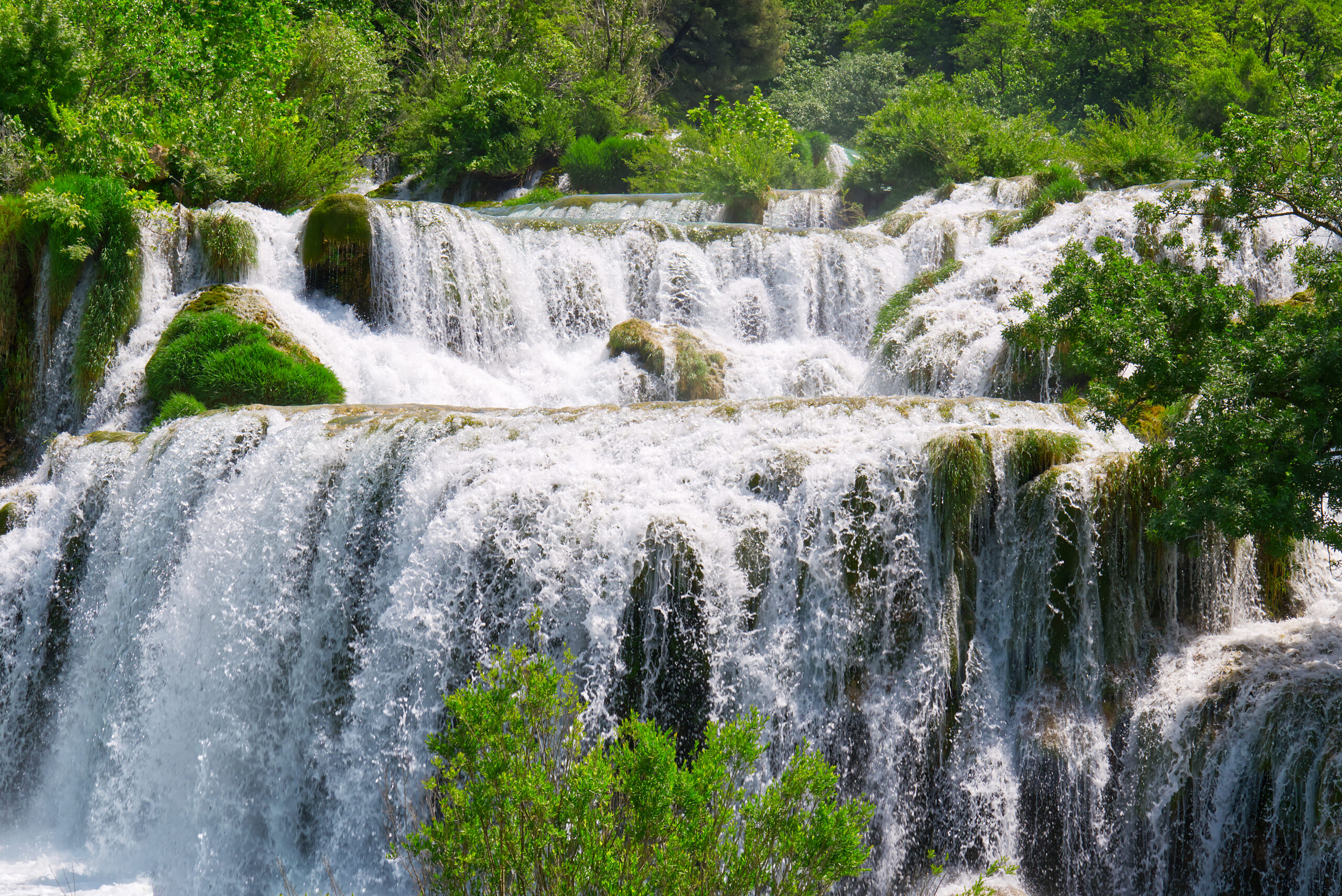
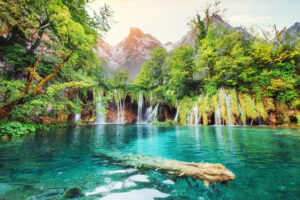
Plitvice Lakes introduces water again, but in another form entirely. Structured. Cascading. Moving through the land instead of defining its edge. You spend less time looking outward and more time paying attention to what is directly in front of you.
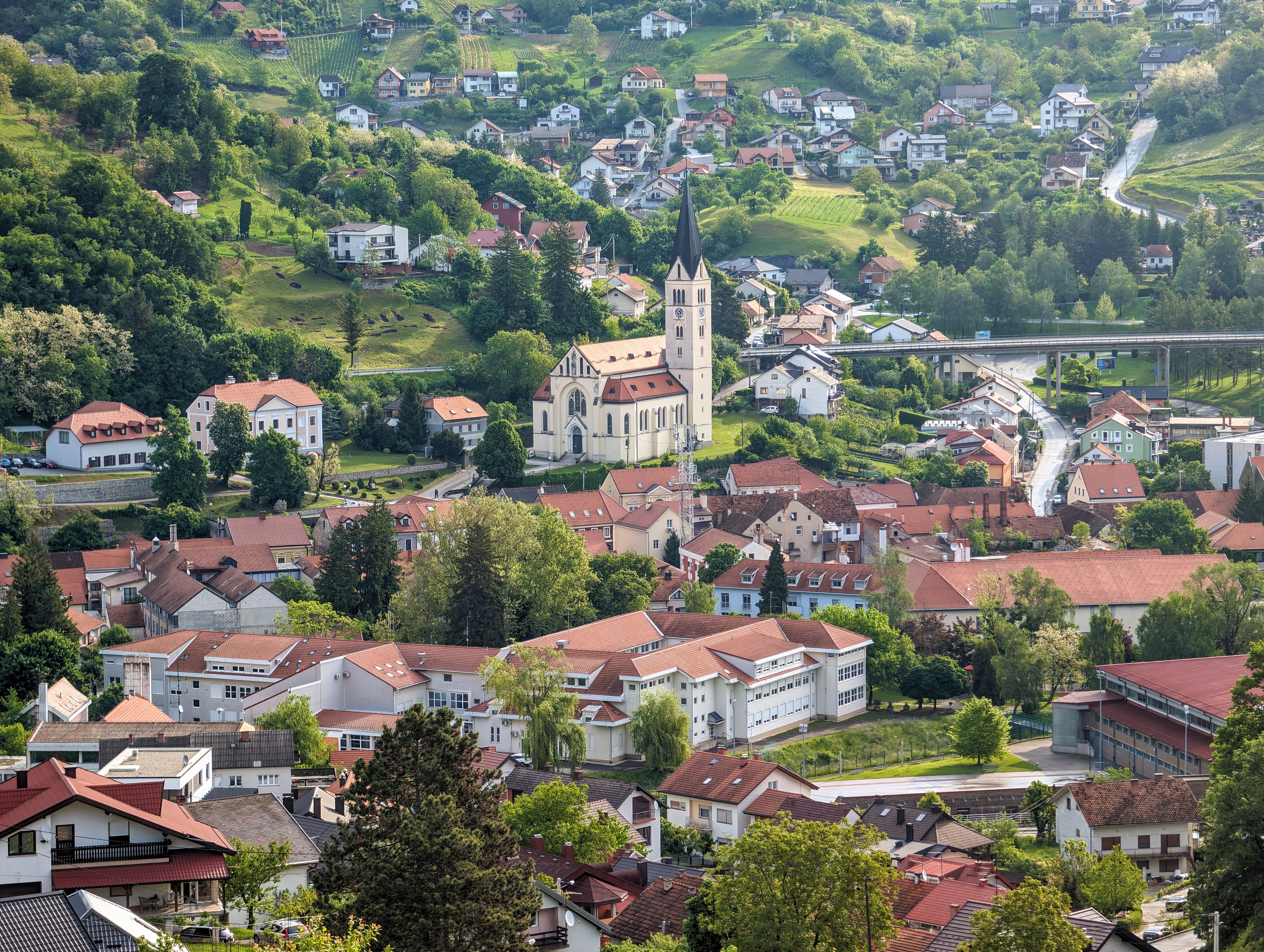
Further inland, the country quiets.
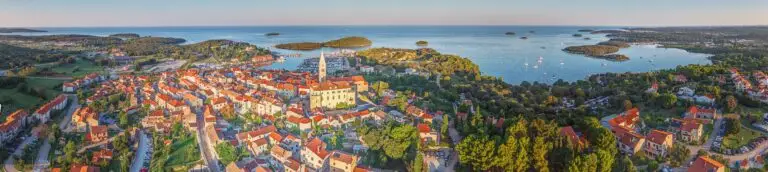
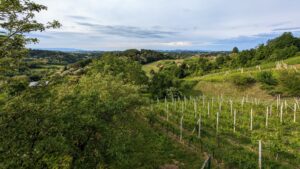
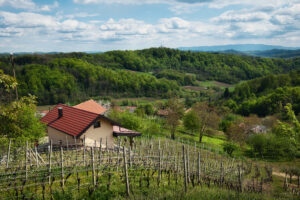
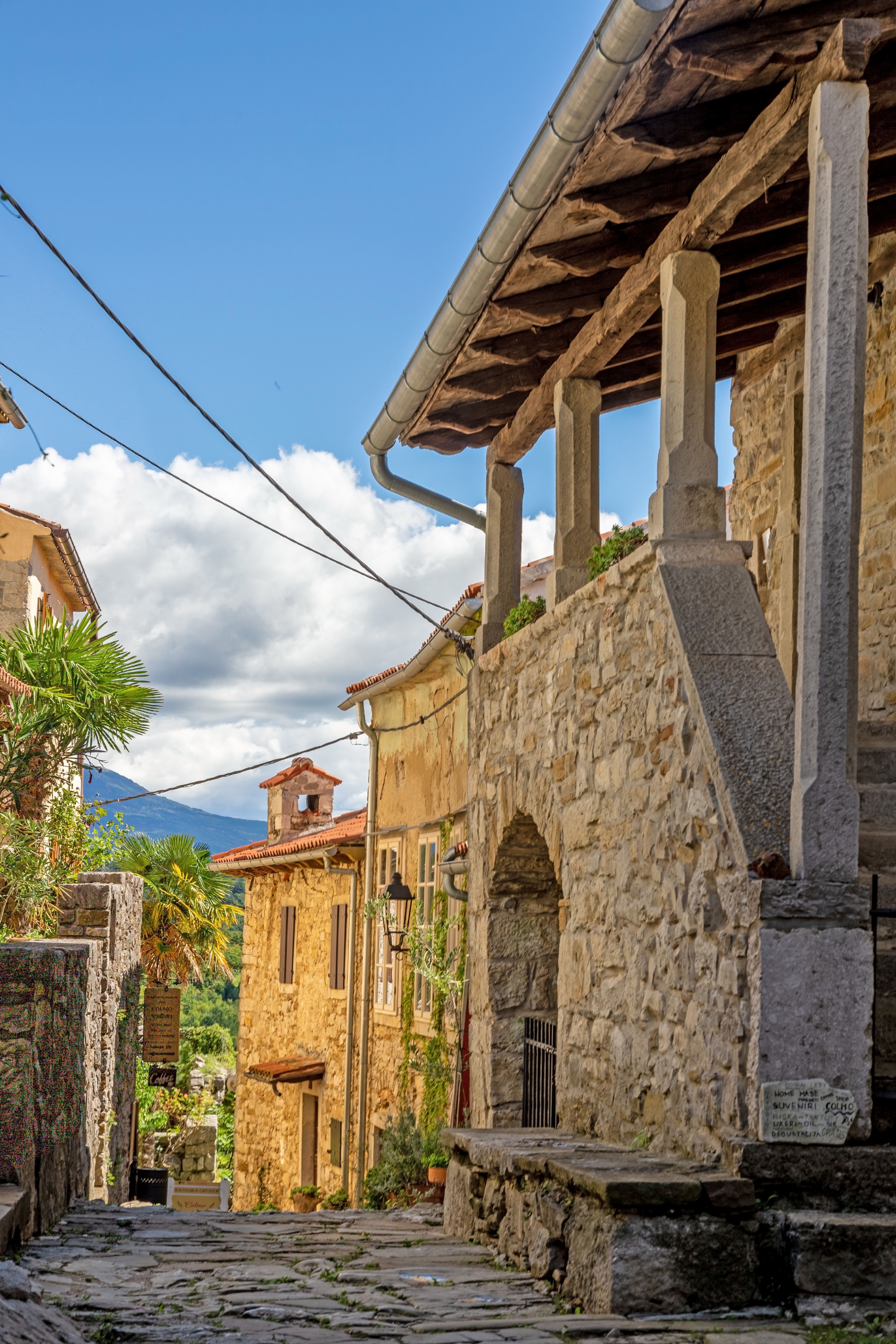
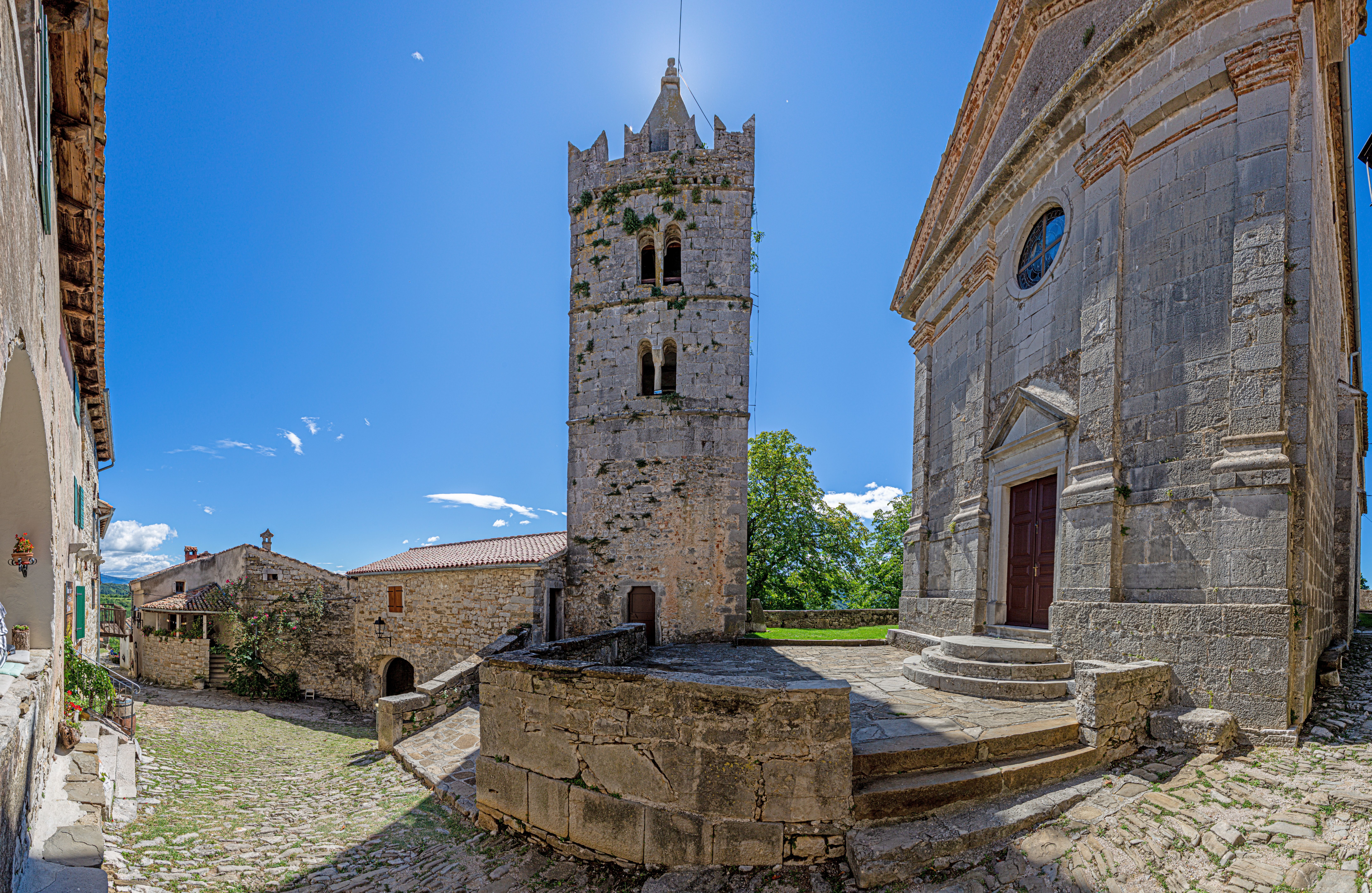
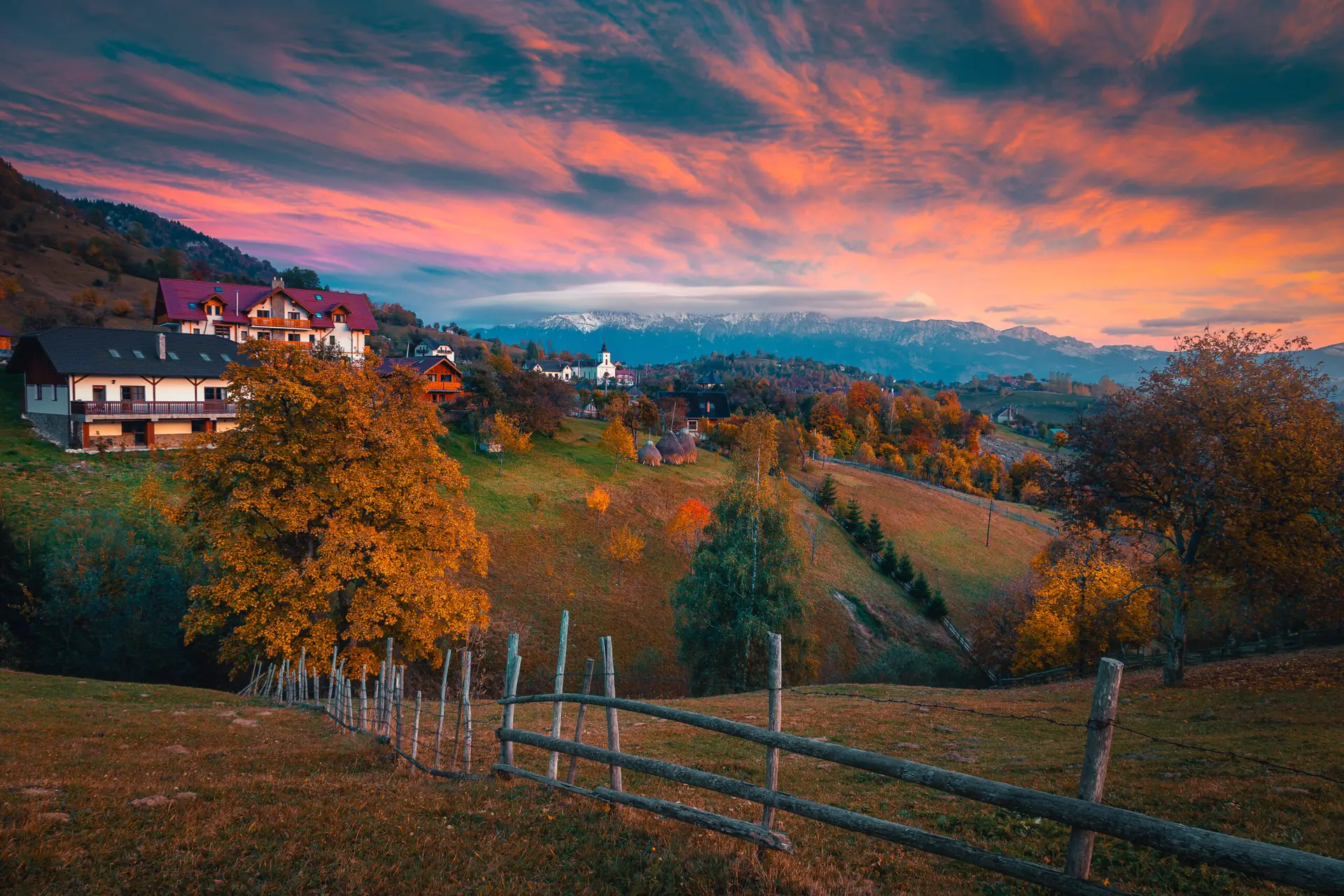
Villages replace coastal cities. Forests and farmland begin to shape direction. In places like Istria, hill towns and vineyards take over where harbors once defined movement.
It feels like a different country at times.
But it isn’t.
Land, Agriculture, and Regional Identity
Croatia’s land is not just scenic.
It’s productive.
Olive groves, vineyards, and agricultural regions shape what appears on the table and how regions define themselves. What is grown influences what is served in ways that are easy to notice once you begin paying attention.
In Istria, that connection becomes more pronounced.
Wine, olive oil, and even truffles tie the land directly to the experience. Meals reflect place, not just preference.
The contrast between coast and inland sharpens here.
They don’t blend.
They sit alongside each other.
Distance and Change
Croatia is not large, but it doesn’t feel small.
The coastline stretches. The islands disperse. Inland regions shift terrain and pace more quickly than expected.
Distance becomes less about how far you are traveling.
More about how much changes along the way.
A short drive can move you from coastline to hillside. From open water to forest. From movement to stillness.
That shift happens more often than you anticipate.
How to Experience Croatia
Croatia is best experienced without rushing it.
Begin along the coast. Let the Adriatic set the tone. Spend time in one or two places instead of trying to move through too many. The rhythm reveals itself more clearly when you stay long enough to notice it.
From there, extend outward.
By Ferry and Coastline Travel
Movement along the coast becomes part of the experience.
Ferries connect major islands reliably, but it’s the in-between moments that tend to stay with you. The approach into a harbor. The time between departures. The slight variations between places that initially feel similar.
Planning helps.
But leaving room matters more.
By Car: Access to Inland Croatia
To experience contrast, inland travel matters.
Driving offers flexibility that is difficult to replicate otherwise. It allows for stops that are not planned. For time spent in places that might not have been part of the original route.
It also makes the shift between coast and countryside more noticeable.
And more meaningful.
On the Ground
Wherever you are, slow down.
Walk without a fixed route. Sit longer than planned. Let a meal take the time it takes.
Croatia doesn’t reveal itself all at once.
It builds gradually.
Pacing the Experience
If there is one approach that works here, it is simple.
Do less.
Stay longer.
Let the coast introduce you.
Let the inland complete the picture.
Memory
In many ways, Croatia stays with you in layers.
The Adriatic. The stone streets. The quieter inland spaces that feel removed from the coastline, yet still connected to it.
You may remember specific places.
But more often, it’s the transitions between them.
Movement. Contrast. Change.
And how each part adds to the whole.