Ecuador: One Country, So Many Worlds
Some countries ask you to choose. Mountains or rainforest. History or wildlife. City streets or quiet roads. Beaches or highland villages. Ecuador seems to answer, “Why choose?”
It is not a large country, at least not when you look at it on a map. But maps can be misleading. Ecuador stretches from the Pacific coast across the Andes and down into the Amazon Basin, then reaches hundreds of miles into the ocean to include the Galápagos Islands. That is a lot of change packed into one place.
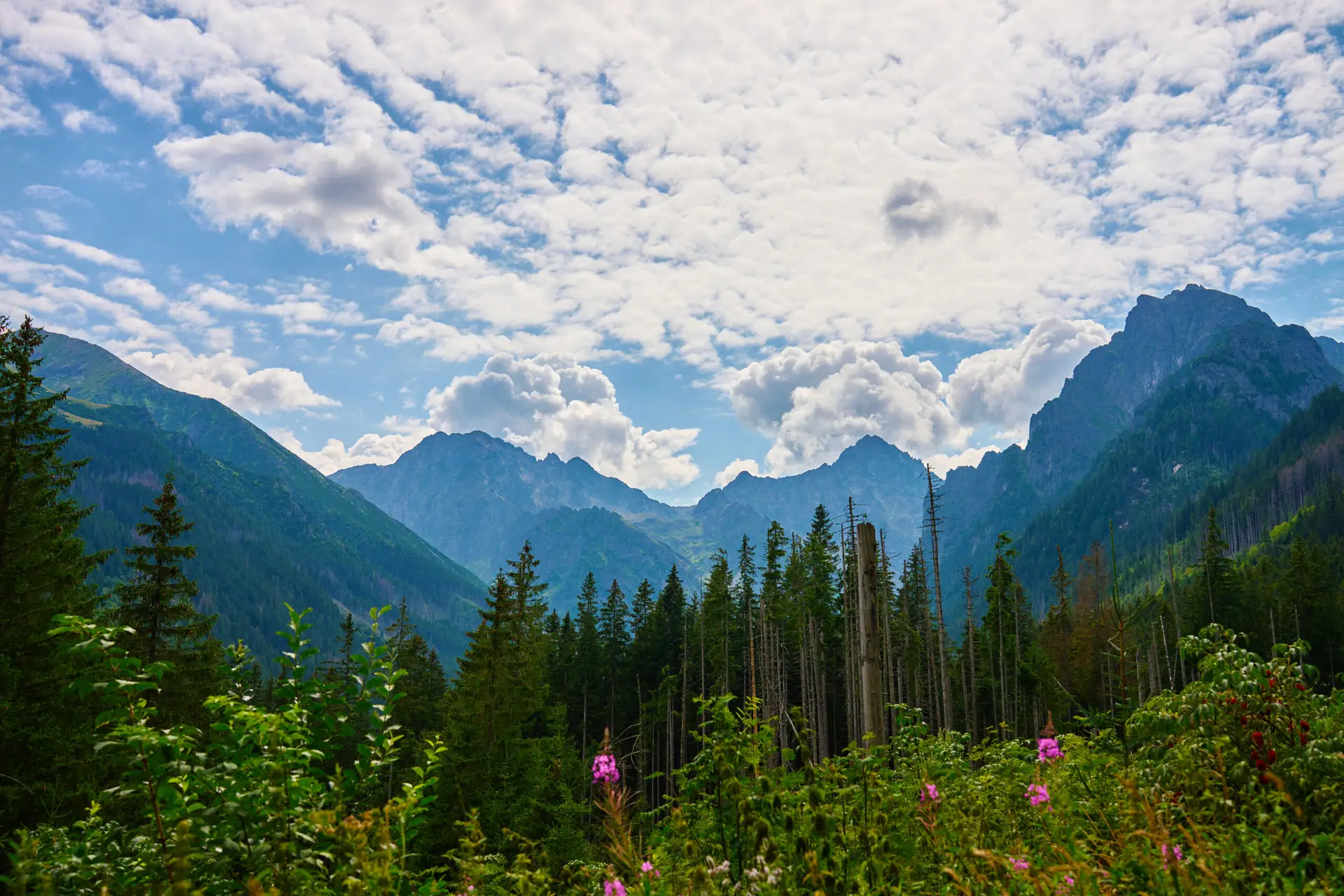
You can wake up surrounded by mountains, spend the afternoon walking through a cloud forest, and find yourself in an entirely different climate before the day is over. Travel a little farther and the landscape changes again. Ecuador does not feel small when you are moving through it.
Quito Is More Than a Starting Point
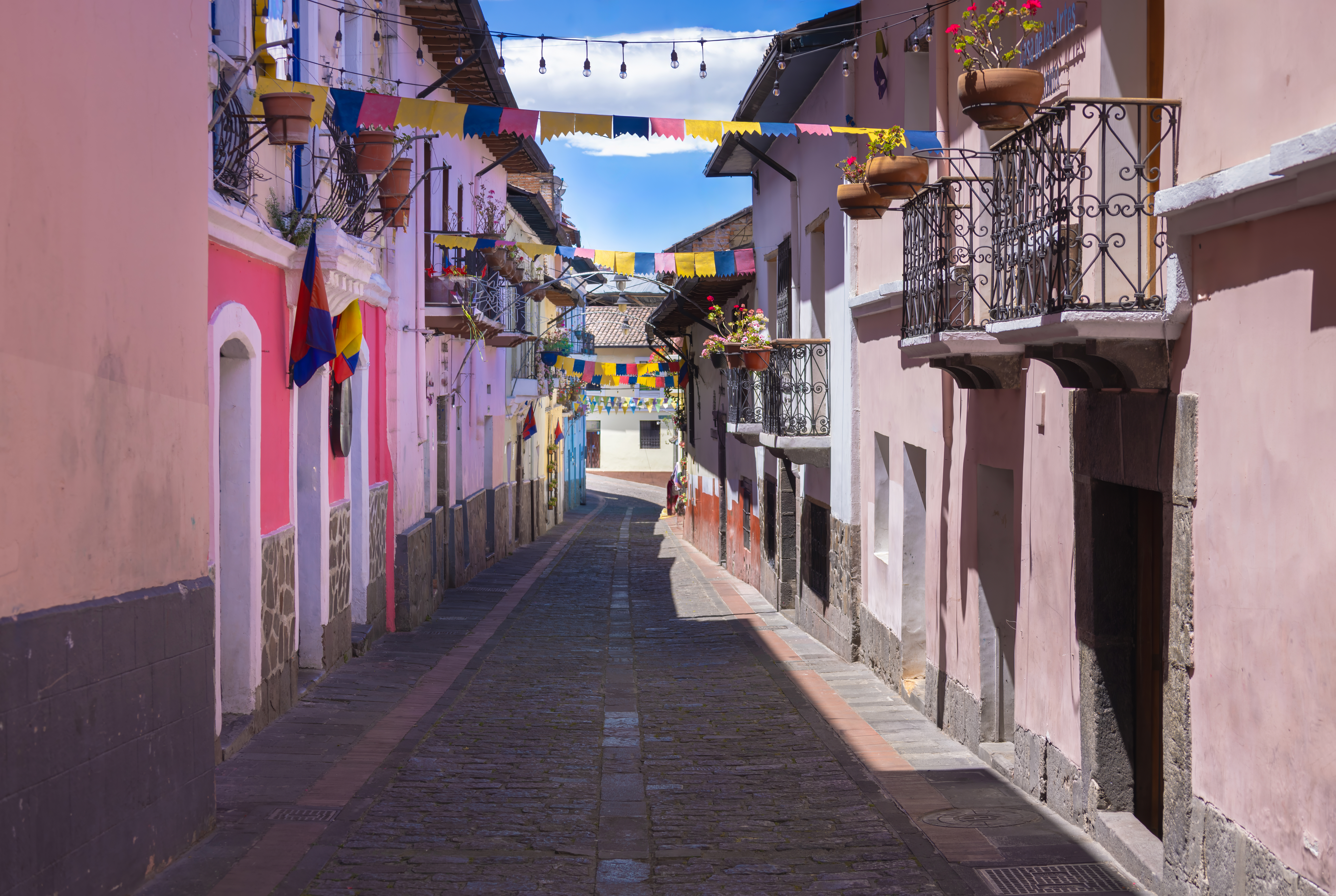
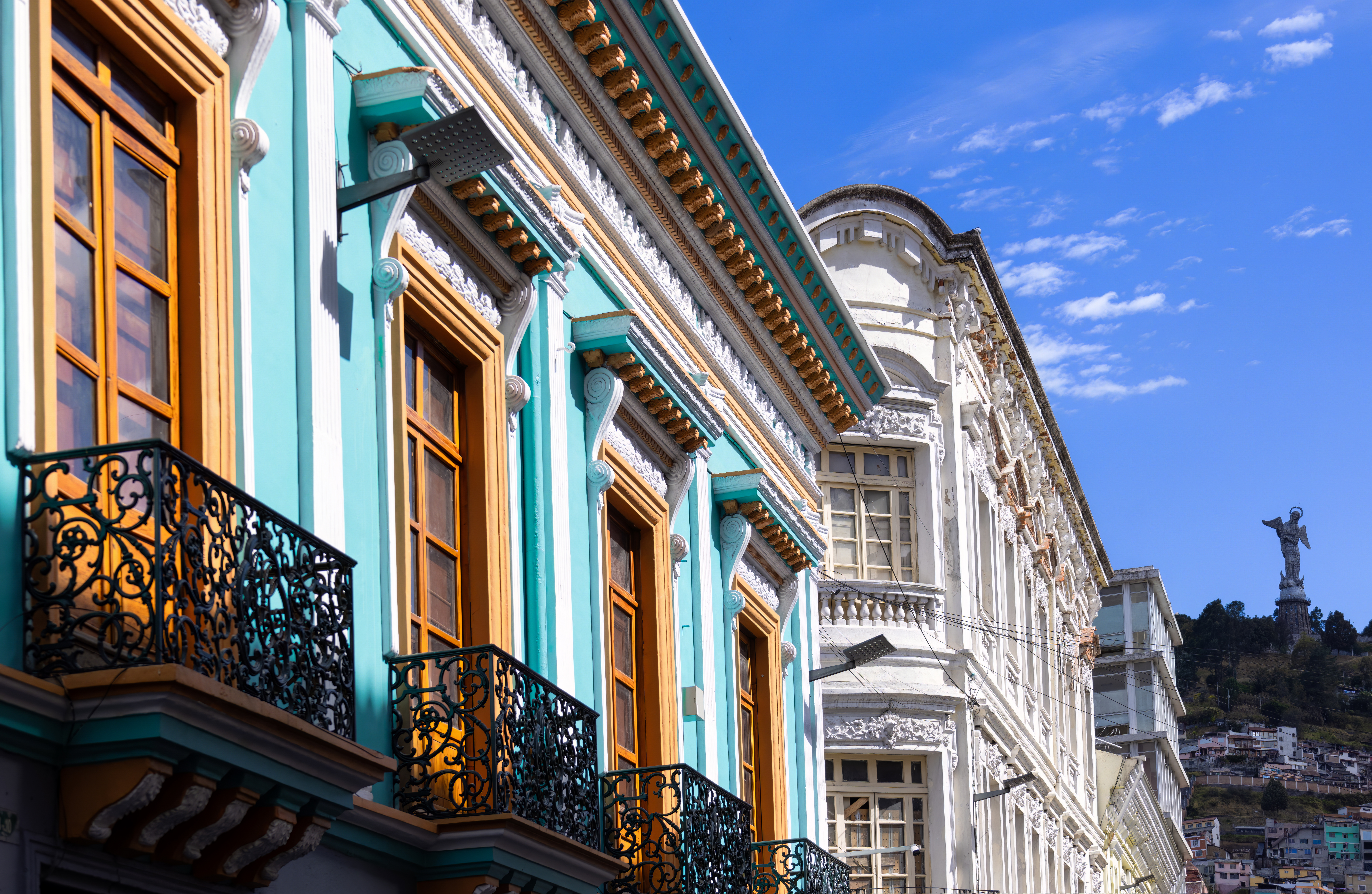
For many travelers, Quito is simply where the trip begins. It is where the plane lands before they head toward the volcanoes, the rainforest, or the Galápagos. That would be a mistake. Quito sits high in the Andes, surrounded by mountains and often wrapped in shifting clouds. From above, the city seems to stretch forever through a long, narrow valley. At street level, it becomes a mixture of old churches, plazas, hillside neighborhoods, shops, traffic, balconies, courtyards, and ordinary life continuing around centuries of history. This is the kind of city where the details matter. The outside of a church may catch your attention first, but then you notice the carved doorway. The small plaza beside it. The woman arranging something for sale. The open window above a narrow street. The view that appears when the clouds move just enough to reveal the mountains. Quito does not need to be rushed. Walk. Look up. Turn down a street because something caught your eye. Sit in a plaza longer than planned. The major landmarks will still be there. It is often everything around them that makes a city memorable.
The Road Through the Andes
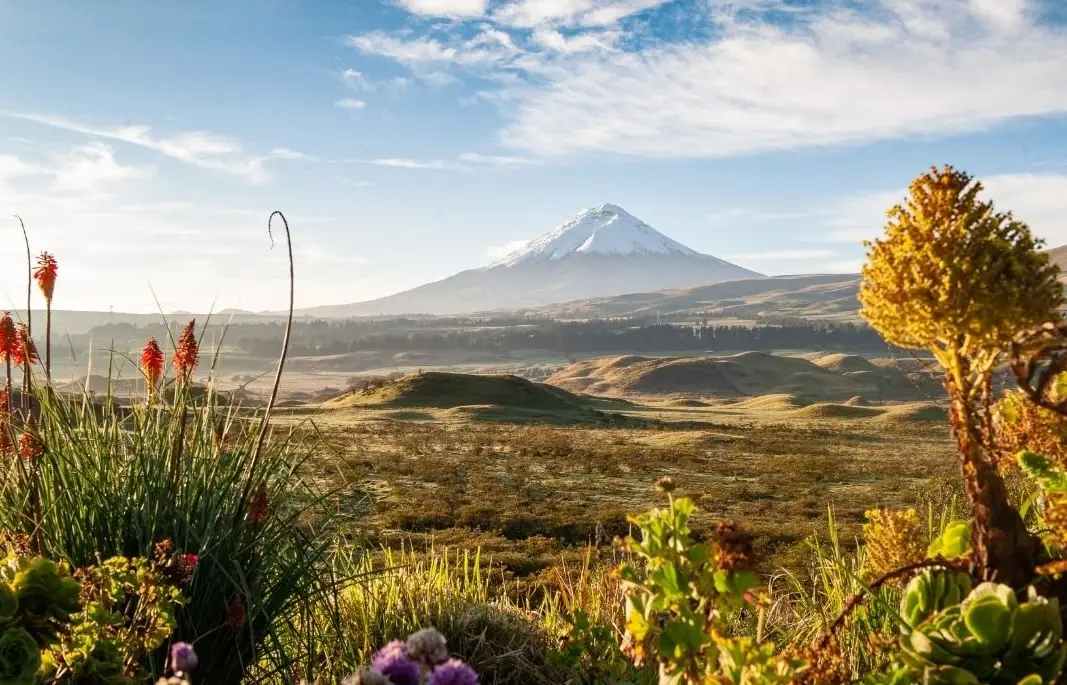
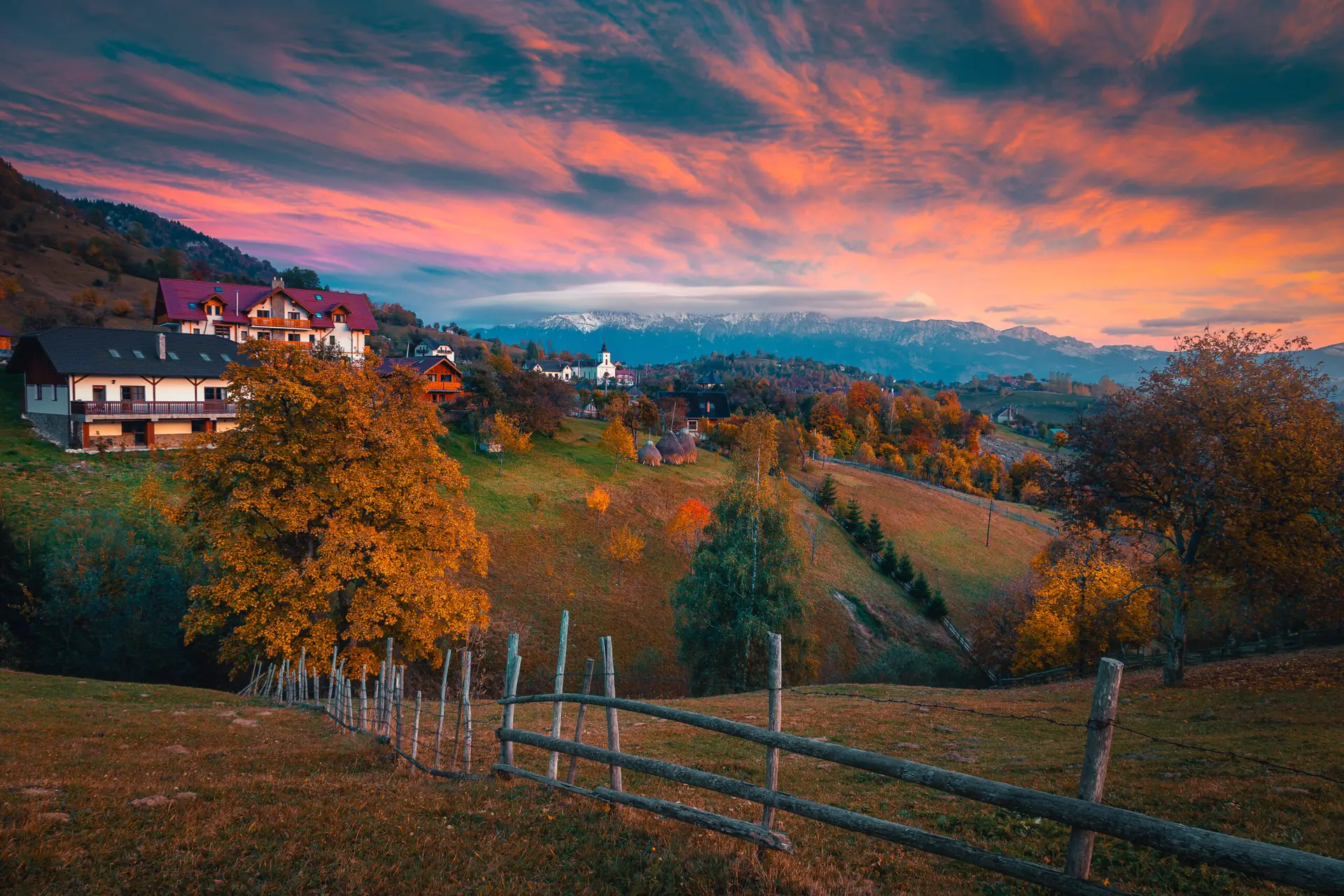
Leave Quito and Ecuador begins changing quickly. The road moves through valleys, farmland, small communities, and high open country. Volcanoes rise along the route, sometimes fully visible and sometimes hidden behind clouds as though they are deciding whether to make an appearance. Cotopaxi may be the best-known name, but it is the larger setting that stays with you. Snow and ice above green fields. Horses and cattle grazing below enormous mountains. Roads that seem ordinary until the clouds lift and suddenly a volcano fills the horizon. This is not scenery sitting neatly in the distance. The mountains shape the roads, the weather, the farms, the towns, and the way people move through the country. Then there is Quilotoa. A lake inside a volcanic crater sounds dramatic because it is dramatic. The water can shift from deep blue to green depending on the light, surrounded by steep walls that make the crater feel separated from everything beyond it. But even here, the experience is not only the overlook. It is the air. The changing weather. The quiet. The walk along the rim. The communities and highland landscapes along the way. The realization that the road to a place can tell as much of the story as the place itself. Ecuador’s highlands deserve time, not simply a sequence of quick stops.
Where Clouds Become Forests
The transition into a cloud forest feels almost unreal. The open highlands give way to dense green slopes. Mist settles into the trees. Leaves grow larger. Water seems to appear everywhere, dripping, running, falling, or hanging in the air. At first, the landscape may seem quiet. Then you begin to hear it. Bird calls. Insects. Water moving somewhere beyond the trail. Wings that disappear before you can see what made the sound. Cloud forests reward patience because much of the life is small, hidden, or moving quickly. Hummingbirds may appear for only a second before darting away. Orchids and other plants are easy to miss when you are focused on the broader landscape. A trail that seems empty may be filled with life once you slow down enough to notice it. That is one of the things Ecuador does especially well. It keeps changing your scale. One moment you are looking at a volcano that dominates the entire horizon. The next, you are watching a bird no larger than your hand. Both can stop you in your tracks.
Tradition Is Not a Display
Ecuador’s markets bring another kind of color into the journey.
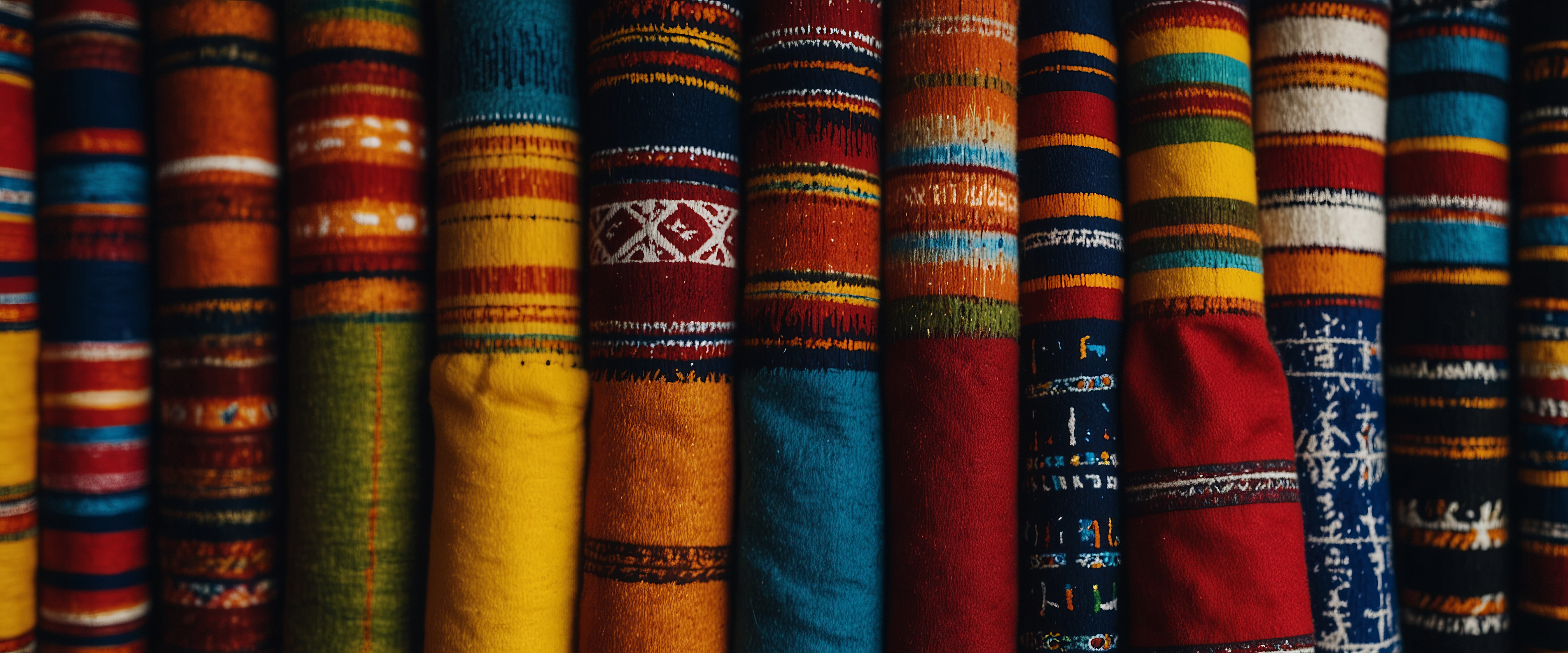
Otavalo is widely known for textiles, woven goods, clothing, jewelry, food, and handicrafts. It is easy to arrive focused on what you might buy. But the market is more interesting when you look beyond the transaction. Patterns, colors, weaving techniques, clothing, language, and family businesses all carry pieces of a much longer story. Tradition here is not something stored behind glass. It is worn, made, sold, adapted, and passed forward. And yes, this is also where many travelers learn that the famous “Panama hat” is actually Ecuadorian.
The name followed the hat elsewhere, but the weaving tradition belongs to Ecuador. It is another reminder that travel often corrects the version of a story we thought we knew. Markets should never be treated as scenery, though. People are working. Families are earning a living. Items that seem decorative to a visitor may hold cultural meaning or represent hours of skilled labor. Ask before photographing someone closely. Learn what you are looking at. Buy directly from artisans when possible. And leave room in the day to wander without feeling that every aisle must produce a souvenir. Sometimes what stays with you is not what you purchased. It is the person who explained how something was made, the colors stacked across a table, or the small exchange that happened because you stopped long enough to ask.
The Rainforest Changes the Conversation
Ecuador’s Amazon region is another world again. The Andes begin to drop, the air grows warmer, and the forest closes in. Rivers replace roads in some areas. The sounds become louder, although the animals producing them may remain nearly impossible to find. This is a place where listening often comes before seeing. You may hear monkeys before spotting movement in the trees. Birds call from somewhere above the canopy. Frogs and insects take over after dark. A guide points toward a branch that looks empty until your eyes finally adjust. Rainforest travel requires a different rhythm. You cannot demand that wildlife appear on schedule. You watch. You wait. You learn to recognize movement and sound. You accept that the forest is not performing for you. That is part of its appeal. The experience is not measured only by how many animals you photograph. It is also the boat ride, the heavy air, the morning mist over the river, and the feeling of being surrounded by a living system far more complex than anything visible at first glance.
Ecuador Also Has a Coast
The Andes and Galápagos receive so much attention that Ecuador’s mainland coast can almost disappear from the conversation. It should not. Pacific beaches, fishing communities, mangroves, coastal cities, and warmer lowland landscapes add another layer to a country already overflowing with contrasts.
Guayaquil is Ecuador’s largest city and an important gateway, but the coast extends far beyond one urban center. Smaller communities, local seafood, long stretches of beach, and the changing pace of life along the water offer a very different experience from Quito or the highlands. This is where Ecuador’s food begins telling another part of the story. Seafood, plantains, corn, potatoes, soups, rice, cacao, tropical fruit, and regional specialties reflect the country’s changing geography. Meals differ because the land differs. What grows near the coast is not what thrives high in the Andes, and neither resembles what is found closer to the rainforest. Food becomes its own map of Ecuador.
Try what is local to the area rather than looking for the same familiar meal everywhere. Visit markets. Stop at a small restaurant because it is busy with local customers. Ask what people recommend. Those unplanned meals often become the ones you remember.
Then There Are the Galápagos
It is impossible to talk about Ecuador without eventually reaching the Galápagos.
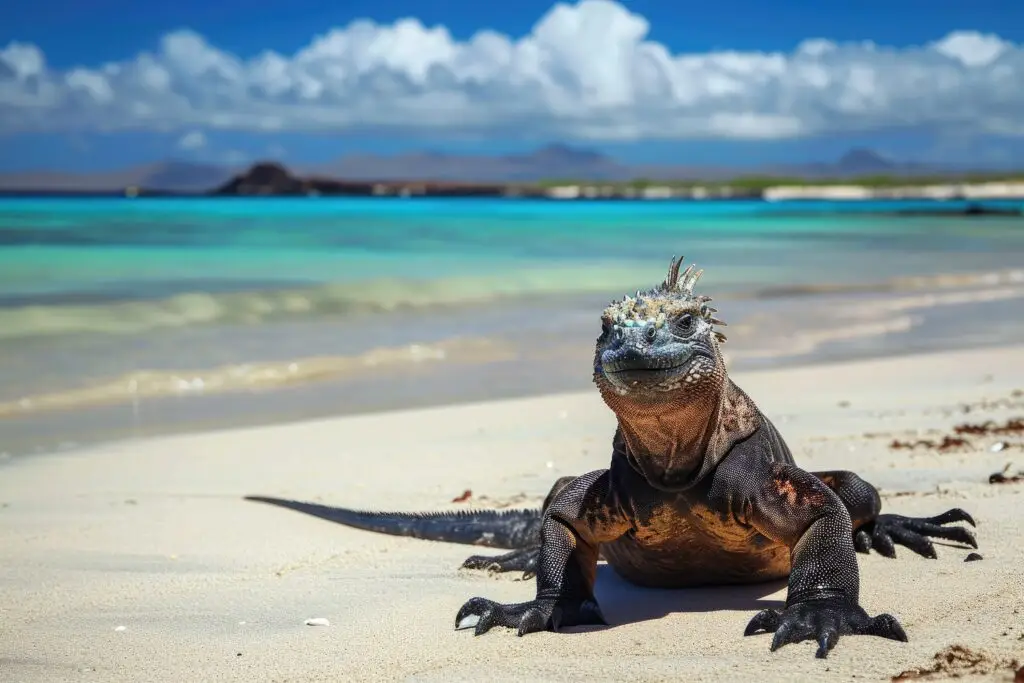
But it is equally important not to let the islands erase the mainland. The Galápagos are extraordinary, but they are one part of a much larger country. They are not the entire Ecuadorian story. Arriving there changes your relationship with wildlife almost immediately. Sea lions sleep wherever they please. Marine iguanas gather on black volcanic rock. Crabs move across the shoreline. Birds nest nearby with far less concern about human presence than most travelers are accustomed to. You quickly understand that you are the visitor. The animals are not arranged for photographs, and they are not impressed that you traveled a long way to see them. They are simply living in the place where they belong. That is what makes the experience so powerful.
Blue-footed boobies look almost too unusual to be real. Frigatebirds inflate bright red throat pouches during courtship. Giant tortoises move with a patience most of us have forgotten. Marine iguanas, often described as looking like small dinosaurs, dive into the ocean and return to warm themselves on lava rock.
Even the animals you think you know become different here. A sea lion asleep beside a walkway changes the route. A bird nesting near a trail means you give it room. A marine iguana stretched across the warm ground reminds you to watch where you step. The rules are simple because they need to be: keep your distance, stay on marked paths, never feed wildlife, and leave everything exactly as you found it. The Galápagos do not need visitors who rush from one photograph to the next. They need visitors willing to slow down and understand that access to such a place is a privilege.
More Than the Expected Highlights
Ok
It would be easy to reduce Ecuador to a list.
Quito. Cotopaxi. Quilotoa. Otavalo. The Amazon. The Galápagos.
Those places deserve attention, but the country is more than its best-known names. It is the highland road between two planned stops. A cloud shifting away from a volcano. A quiet plaza in Quito. A hummingbird that appears for three seconds. A bowl of soup on a cold afternoon. A market conversation. A coastal sunset. The sound of the rainforest before anything comes into view. Ecuador’s strength is not that it offers one perfect experience. It is that the experience keeps changing. You do not have to choose between history, wildlife, landscapes, culture, or food. They overlap, separate, and come together again as you travel. That variety also creates a responsibility. Ecuador’s ecosystems and communities are not simply backgrounds for our vacations. Choose local guides and businesses when possible. Respect wildlife boundaries. Carry out what you carry in. Avoid purchasing products made from endangered plants or animals. And remember that a place does not have to be changed by us to be enjoyed by us. Travel during the shoulder season can also bring fewer crowds and a little more room to experience places at their own pace, although weather and regional conditions vary across the country. In Ecuador, you may encounter several climates during one trip, so flexibility matters more than packing for a single forecast. Plans help. But… in a country with this many landscapes, the unexpected may be the best part.
One Country, So Many Worlds
Ecuador may begin with a familiar name. The equator. The Galápagos. A volcano seen in a photograph. Then the country gets larger. Not geographically, but in your understanding of it. You begin to see the historic city above the clouds, the farms below snow-covered peaks, the color and skill woven into a market, the movement hidden inside a cloud forest, the coast that receives less attention than it deserves, and islands where wildlife quietly reminds us that humans are not always the center of the story. Ecuador is not one destination. It is several worlds sharing one country. And perhaps the hardest part is deciding where you would begin.
Until next time Ecuador.










Join the Discussion