The Willing Traveler


Argentina isn’t condensed.

Stretching nearly 3,700 kilometers from the subtropical forests of Iguazú to the wind-carved plains of Patagonia, Argentina spans an enormous range of climates and landscapes. Distance here means moving through environments that change gradually but unmistakably. Traditions shift along the way, shaped by geography and time.


Argentina can’t be captured in a single scene. The country moves regionally and horizontally. It unfolds steadily, and always at scale.


Kilometers — lots of kilometers.

Argentina appears tall on a map, stretching lengthwise along the eastern edge of the Andes Mountains.

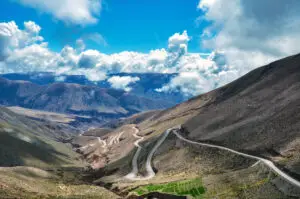
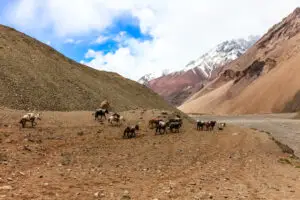
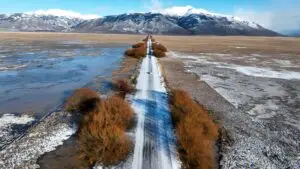
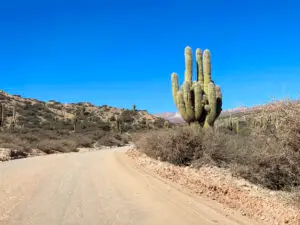
That length becomes significant on the ground. Route (Ruta) 40 spans much of western Argentina, linking desert, vineyards, grasslands, and glacier country. Roads between towns stretch for hours. Domestic flights make distance manageable, but they cannot remove the reality of space.

Distance affects logistics, climate, agriculture, and even daily life.

Northern Argentina lives at high altitude near Salta and Cafayate. East toward Iguazú Falls, the air grows thick with humidity and subtropical jungle. In the center, Argentina’s breadbasket opens into wide farm country known as the Pampas. And in Patagonia, the southern frontier stretches into dry steppe and immense ice fields.

Rare is the country that holds this level of diversity within its borders.


Patagonia: Exposure and Scale

You can feel the openness of Patagonia.


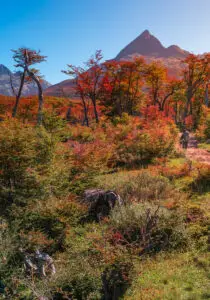
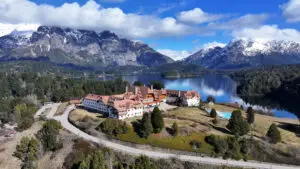
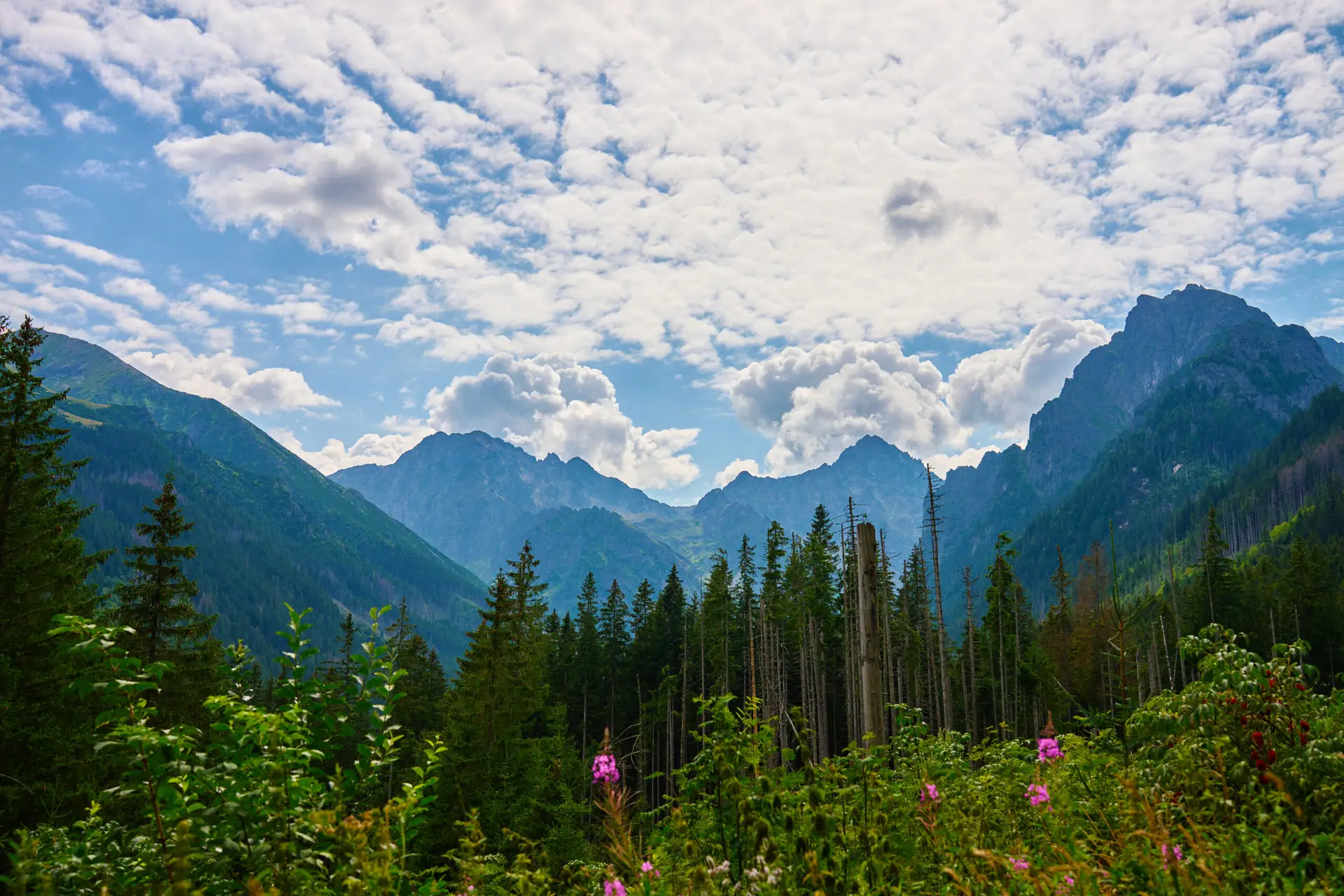
Near El Calafate and Los Glaciares National Park, horizons stretch endlessly across treeless steppe shaped by powerful wind. The landscape feels elemental — reduced to grass, rock, and wide sky.


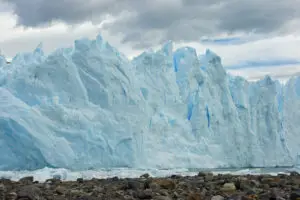
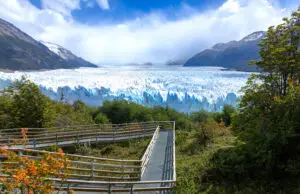
Glacier movement offers another perspective. At Perito Moreno, advancing walls of ice calve suddenly into aqua-blue water. The cracking echoes across the valley with a force that reminds you glaciers are not static monuments but living systems.


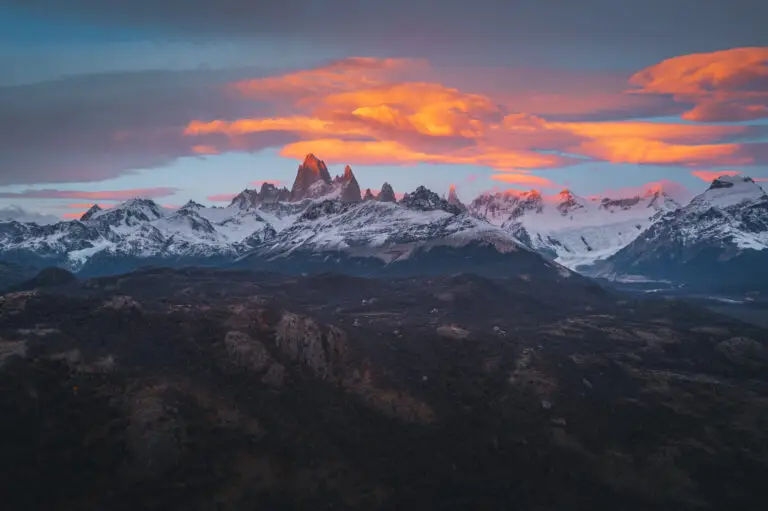
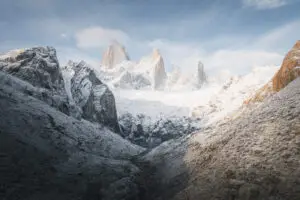
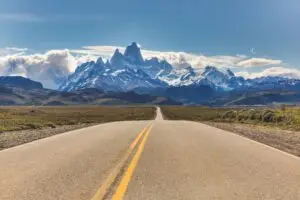
Farther north near El Chaltén, Patagonia shifts again. Granite spires rise dramatically from open plains. Mount Fitz Roy pierces the skyline with a sharp vertical contrast to the surrounding steppe.


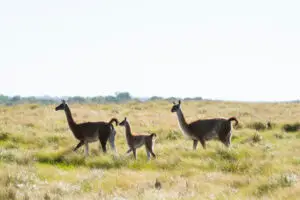
Animals adapt to these extremes. Guanacos run across empty plains. Andean condors circle overhead. Along the Atlantic coast at Punta Tombo, colonies of Magellanic penguins nest along rocky shores.


Patagonia doesn’t fight for your attention. It commands it through space.


Iguazú: Waterfall Density

Near Argentina’s northern border, the landscape becomes dense with water.


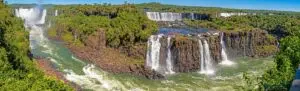
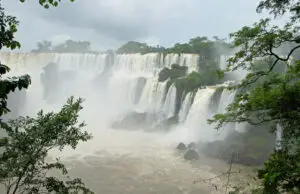
Iguazú Falls contains close to 300 cascades stretching across the Argentina–Brazil border. At Garganta del Diablo, the largest of the falls, visitors stand close enough to feel the thunder of water crashing into the canyon below.


Walkways bring you within reach of the mist. Spray rises constantly from the falls and settles across the surrounding jungle.  Where Patagonia introduces wide-open air, Iguazú surrounds you with moisture. Subtropical vegetation grows thick along the trails. Coatis climb through trees while toucans perch above the pathways.


Argentina isn’t only a country of wind-swept plains. It holds significant rainforest as well — landscapes as dramatic as Patagonia, but completely different in character.


Pampas: Argentina’s Working Land

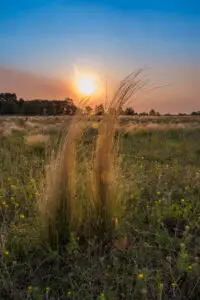
Argentina’s plains connect Patagonia and Iguazú.


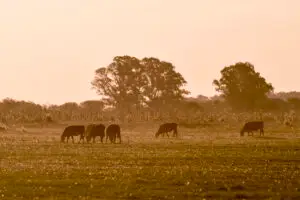
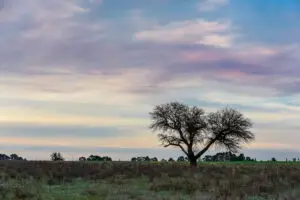
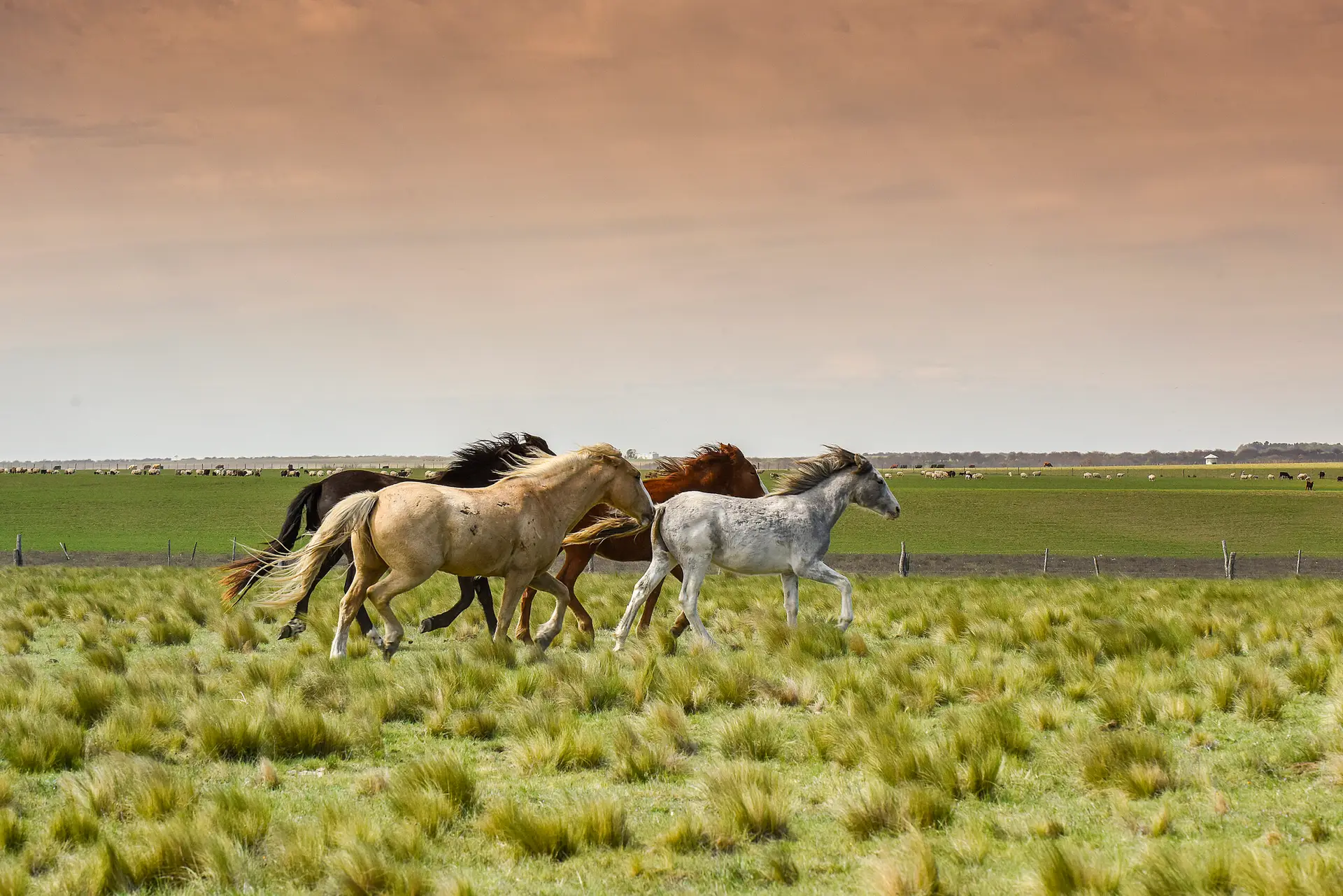
Known as the Pampas, these flat and fertile grasslands form the heart of Argentina’s agricultural economy. Cattle ranching, grain production, and export farming all trace their roots to this landscape.  Many imagine Argentina as gaucho country. That idea exists, but the reality is more practical than romantic.

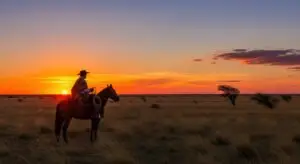
Gauchos are horsemen of the field. Traditionally they worked cattle across open land, relying on horsemanship and knowledge of terrain. Estancias — large ranches — still shape rural life throughout central Argentina.  Today, tractors work alongside horses, and modern equipment supports generational farming operations.


Fieldwork evolves with technology, but the Pampas remain a place defined by long continuity of land use.


Fire & Beef

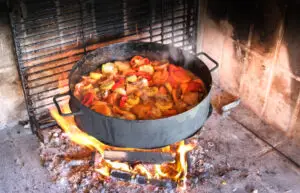
Beef cooks slowly over wood fires on a parrilla. In Argentina, asado is a lifestyle.


Much of that beef begins on the plains of the Pampas. Restaurants emphasize the quality of their cuts, whether cuero (skin-on roasting) or carefully prepared cortes of meat. Cooking with fire requires technique — controlling heat, selecting the right cut, and allowing time to do its work. Chimichurri brings brightness to the rich flavor of grilled meat.


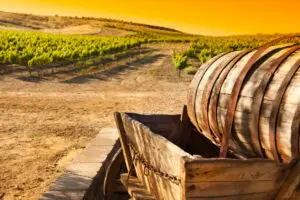
Wine carries a similar connection to land.  Vineyards around Mendoza grow at the foothills of the Andes. Meltwater channels irrigate rows of grapevines while dry air and high elevation create ideal conditions for Malbec, Argentina’s flagship varietal.  Further north near Salta, vineyards reach higher altitudes where strong sun and cool nights shape distinctive wines.  Farther south in Patagonia, cooler climates produce different expressions again.


What grows in your glass is a direct result of geography.  Everyday cuisine reflects that same pattern.  Empanadas vary by region. Dulce de leche appears everywhere as a beloved sweet. Medialunas pair naturally with café con leche in Buenos Aires cafés.


Argentina doesn’t worry about appearing fashionable. Flavor simply follows the land.
 

Buenos Aires: Density


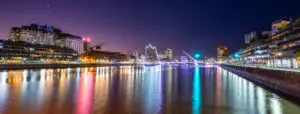
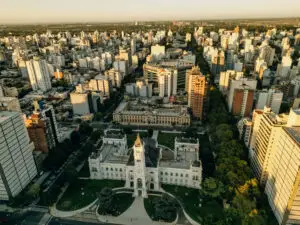
Buenos Aires sits along the edge of the Río de la Plata.


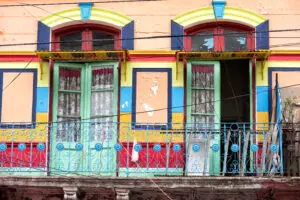
Wide avenues, tall buildings, and the redeveloped waterfront of Puerto Madero reflect the country’s economic center. European architectural influence remains visible across the city — from the elegant buildings of Recoleta to the cobblestone streets and antique markets of San Telmo.

Teatro Colón stands among the world’s great opera houses.


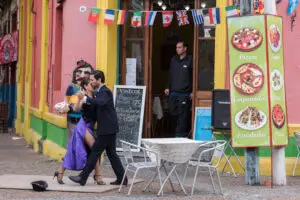
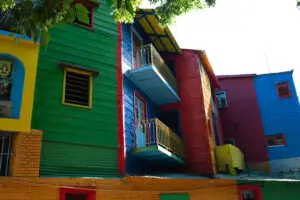
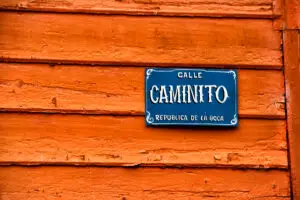
Tango moves through the city as well. Born in immigrant neighborhoods such as La Boca and San Telmo, the dance still lives through bandoneón music and nightly performances.


Cafés shape daily life in Buenos Aires. Sidewalk tables fill slowly, and conversations last long after the coffee is finished.

Compared with Patagonia’s open plains or the wide Pampas, Buenos Aires feels dense. But it remains connected to the landscapes that surround it.
 

High population density meets agricultural openness across Argentina.


Distance, Not Destination

You cannot understand Argentina by visiting a single place.

The country reveals itself through distance — hours along Route 40 where landscapes shift gradually but clearly. From Patagonia’s windy plains to the waterfalls of Iguazú. From fire-pit cooking in rural towns to vineyards at the foot of the Andes.

Argentina moves slowly across horizontal space.

Learning to appreciate that distance is part of understanding the country itself.

Hasta la próxima, Argentina.

¡Viaja con paz y un sentido de exploración!

Amy

| have passport will travel