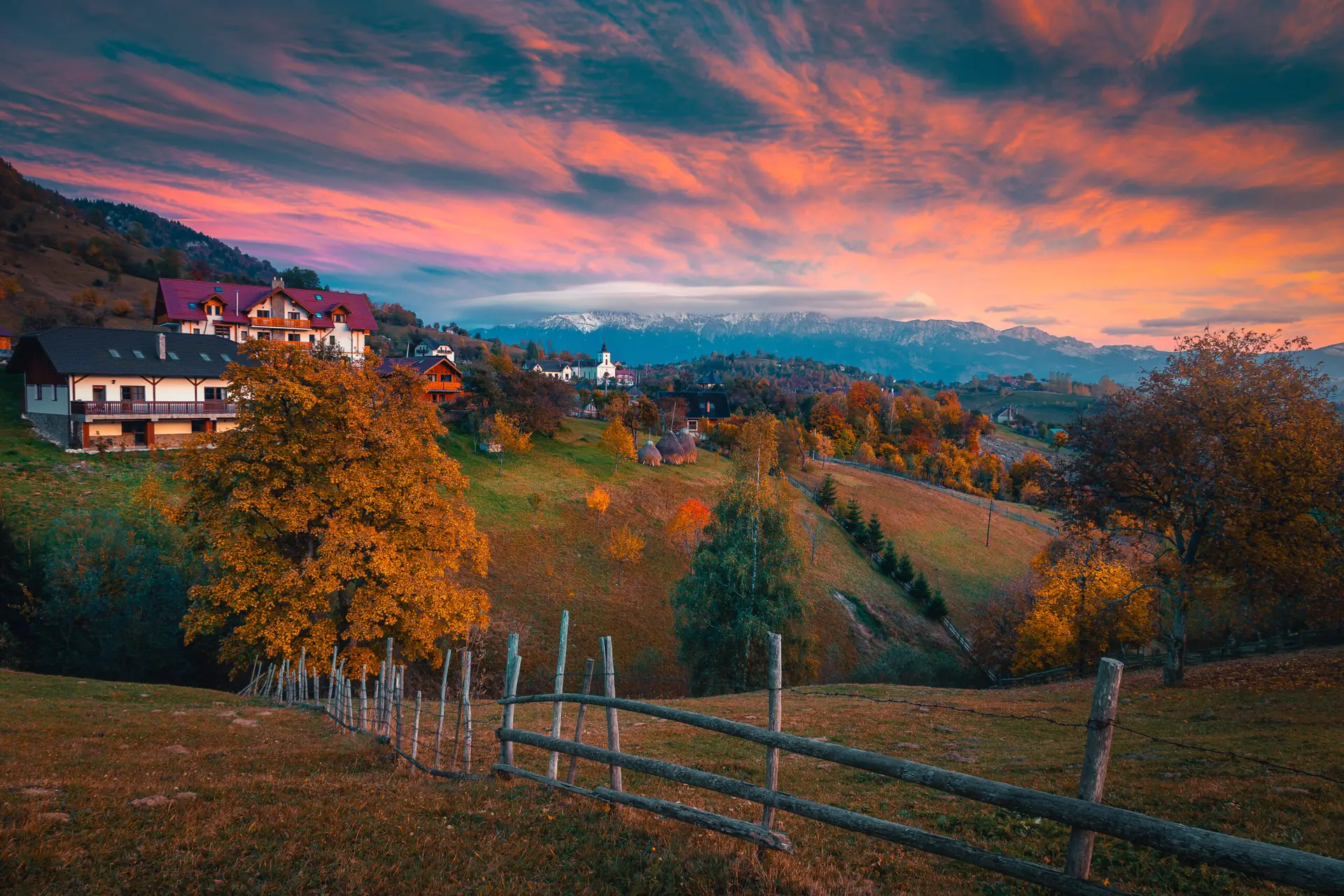
You notice the mountains at first. Towns slowly reveal themselves. Landscapes change subtly enough that you know you should be paying attention. The feeling that you’re only scratching the surface hangs in the air, and you know that if you spend enough time, you’ll start to understand.
Romania isn’t a destination anchored by a single attraction.
It’s built with layers – layers of history, of culture, of landscape – that seem both intentional and surprising at the same time.
Mountains Make an Impression
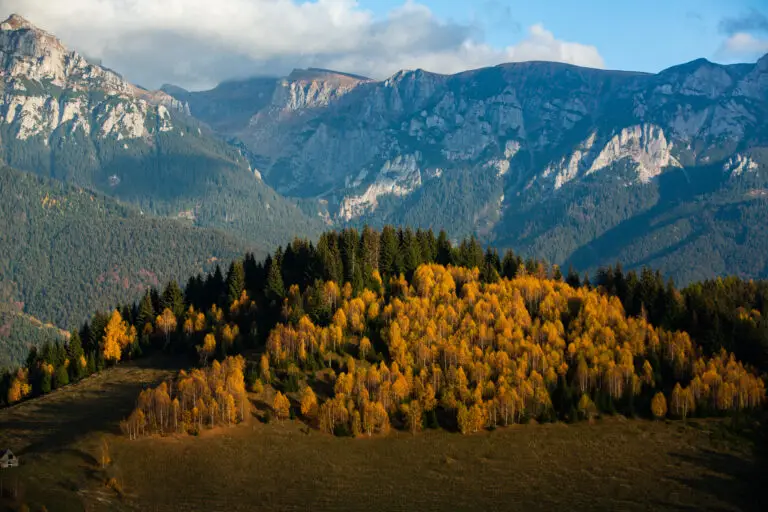
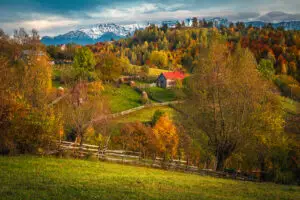
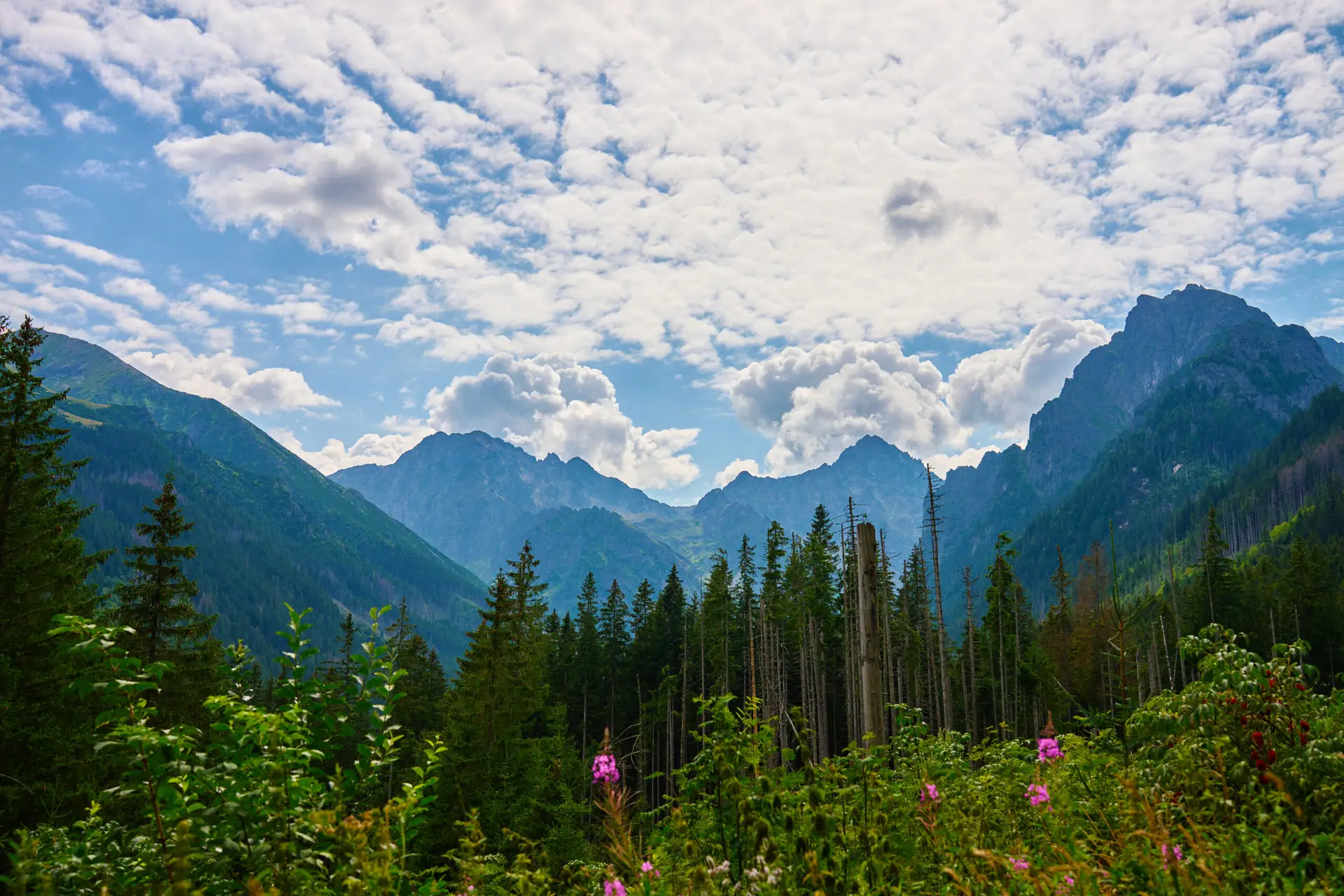
The Carpathian Mountains span much of Romania, defining the country in more ways than one.
Mountains aren’t just postcard scenes or wall hangings here.. They’re active. They rise behind towns. Split roads in half. Force you to slow your drive.
The road gradually inclines, then sharply. Trees grow thicker. The landscape appears to shift as elevation increases. It’s when you hit the mountains that Romania feels bigger, quieter, and slightly wild.
Driving Between Destinations
You could say Romania is best explored in transit.
Well… sort of. It’s not that you need to keep going to reach your next destination. It’s that the drive is often the destination itself.
Take, for example, Romania’s most famous road: the Transfăgărășan Highway. Cruising these mountains comes with wide, sweeping views and sharp switchbacks that make every elevation gain feel rewarding.
Romania is full of roads like this. Little two-lane adventures that take you through:
• winding forest passages
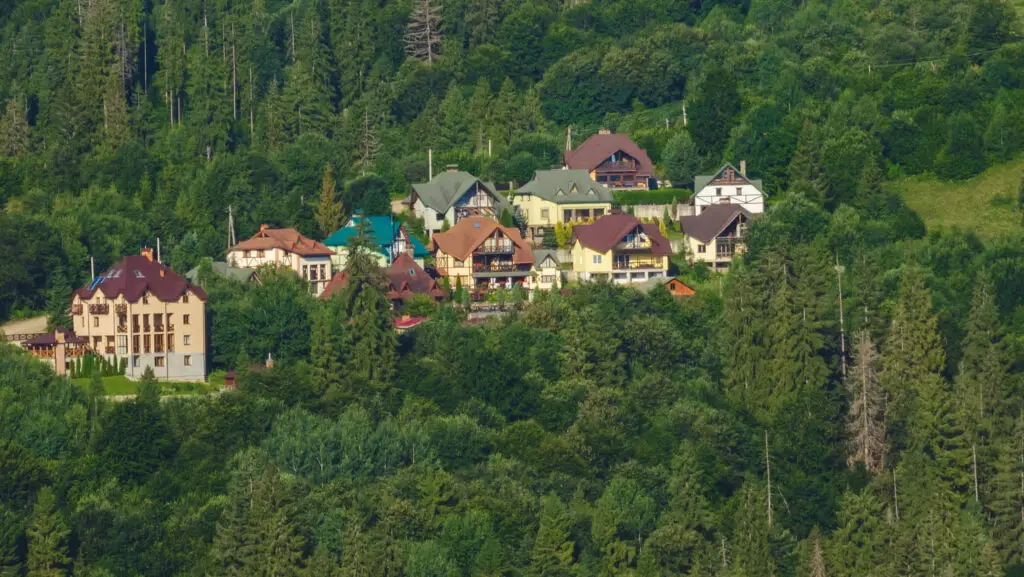
• hillside villages
• scenic overlooks that were unexpected.
When you’re driving through Romania, you don’t arrive at places.
You anticipate what might be next.
Transylvania
Expectations don’t really exist when it comes to Transylvania. But when you land, it’s quieter than you’d think.
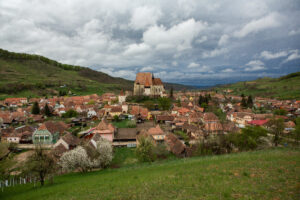
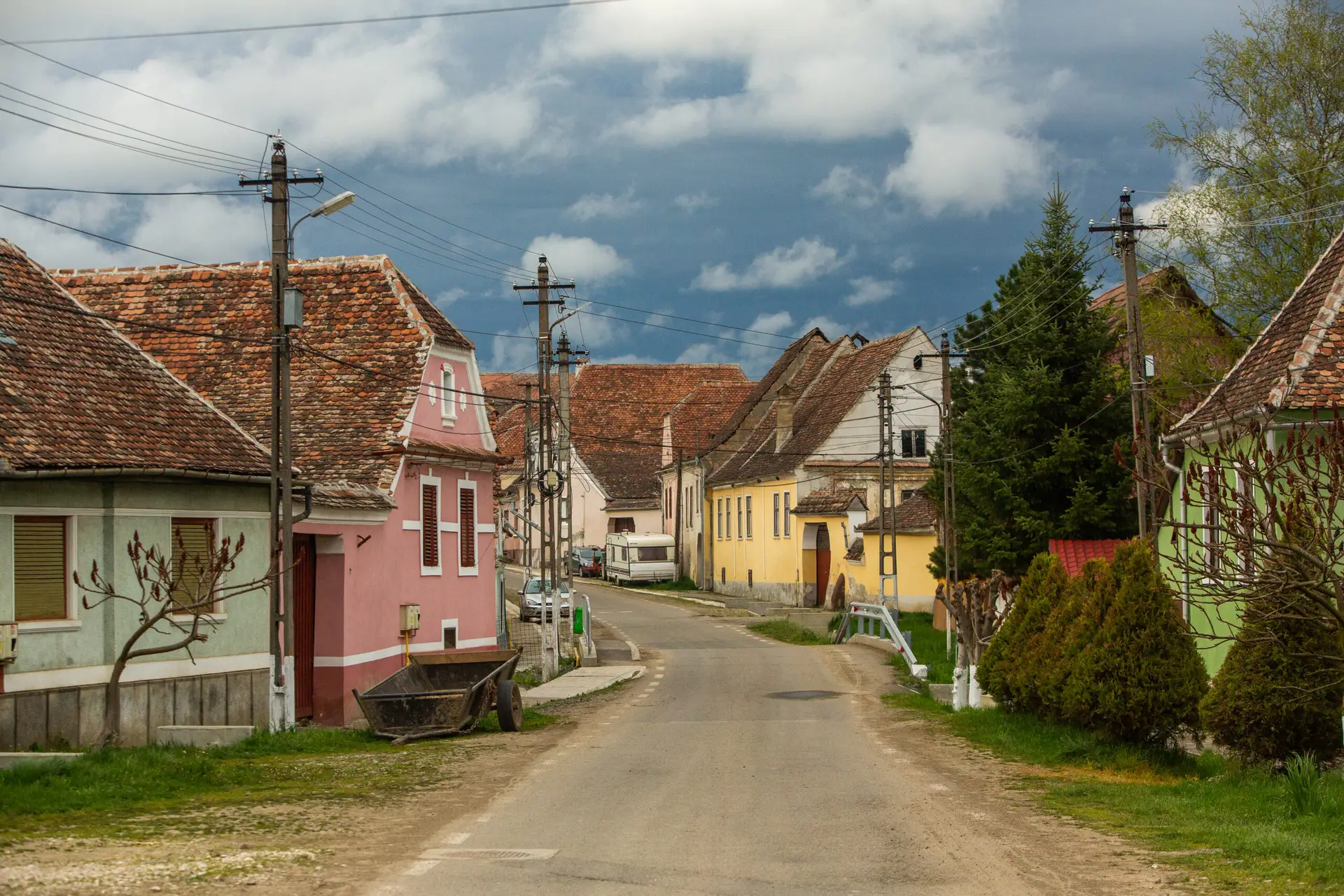
Hills roll between quaint towns. Villages perch unassumingly. People move at a slower pace, but it doesn’t feel orchestrated. It is just everyday life.
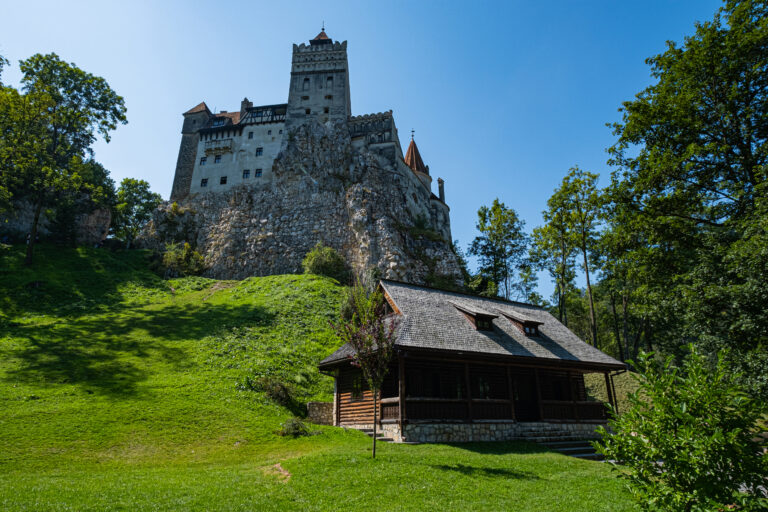
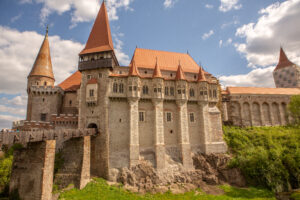
And I would be remiss if I didn’t say that Transylvania has a large array of castles.
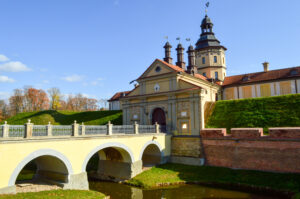
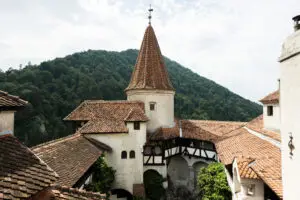
Bran Castle is going to grab attention due to popular belief, but Romania’s palace / castle game is strong across the board. You’ll find architecture that speaks to various points in history and influences from outside and within.
Take Peleș Castle, for example. If Bran Castle grabs your attention, Peleș feels more like Romania’s quiet invitation to stay awhile.. Built with cleaner lines and intricate details, the castle gains complexity thanks to the mountain it’s built upon, which meshes nicely with the structure’s rigid design.
Transylvania isn’t about these places.
They’re just a bonus.
Cities Worth Taking Your Time To Explore
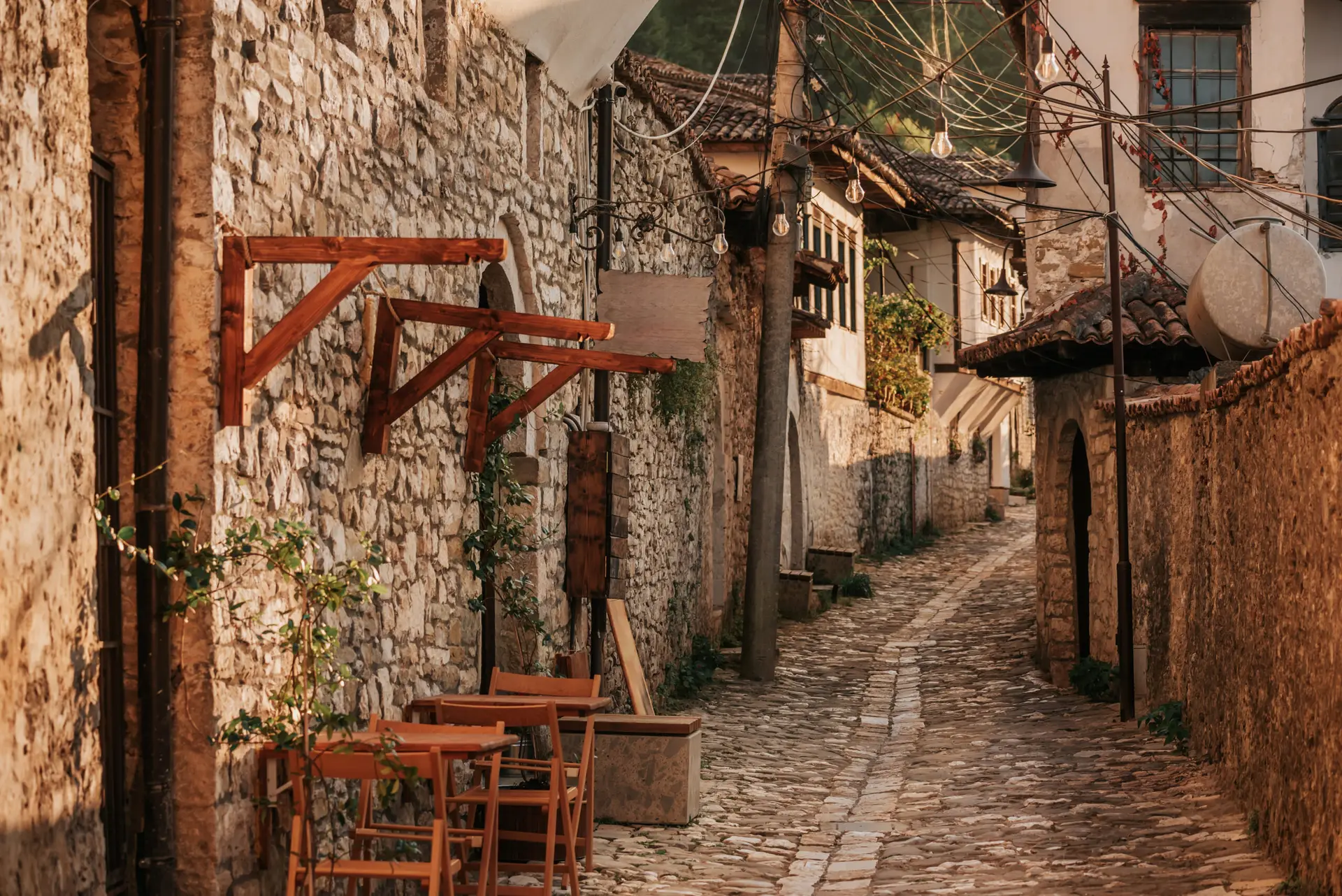
Romanian cities are understated. Peaceful, even.
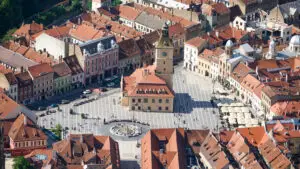
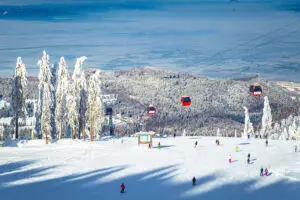
There’s a sense of layering to most of them. Brașov, for example, clings to the base of a mountain, allowing you to explore narrow streets and enjoy quick-access hikes. Walkability is a theme here. Everything is easy to find and navigate, making it a great spot to settle in for the day.
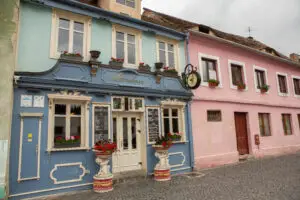
Sibiu is similar, but it takes longer to uncover. It’s easy to get lost in the details of rooftop styles, narrow alleyways, and architecture that feels lived-in rather than shown off.
Bucharest, too. You’ve heard the cliches. bold vs. subtle. communist vs. lavish. But that contrast feels true because, like many Romanian cities, the Capital has a sense of layers.
These cities reward people willing to slow down long enough to notice the details.
Backroads and Beyond
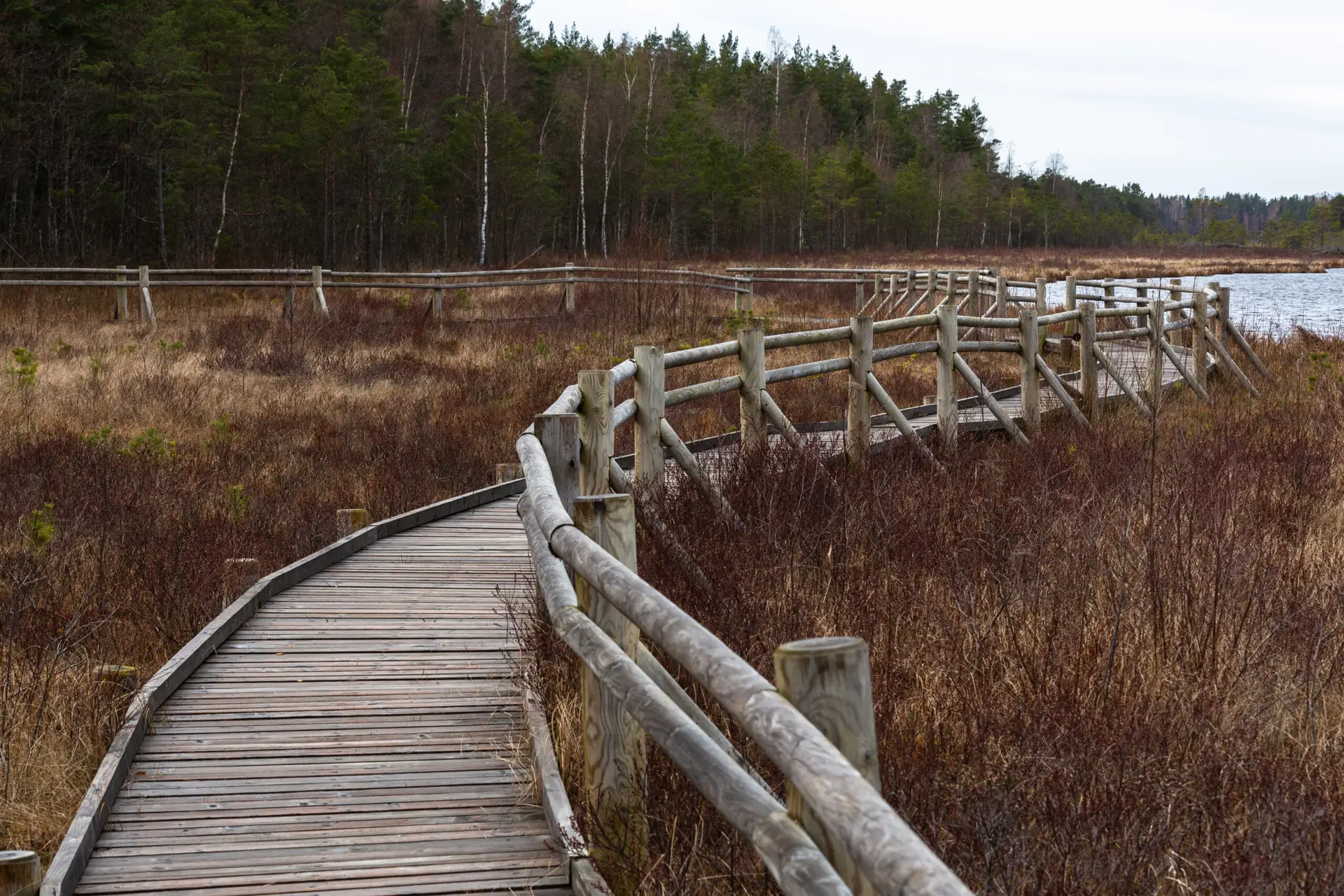
Leave the cities behind, and Romania softens.
The pace slows. Sounds are muted. You don’t feel the need to see everything because, well…there isn’t everything to see.
Villages proudly sit on hills that are carved into the landscape. Culture feels real because it hasn’t been repackaged for tourist consumption. It exists because that’ how it’s always been.
Maramureș shines brightest for this reason.
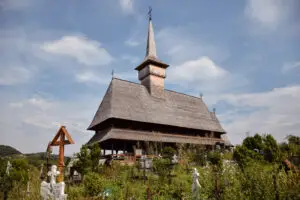
Wooden churches dot the landscape, built from timber and crafted by hand. Intricacy and beauty meet practicality and strength. You can feel the culture of the area come together through the drive alone.
Colors and Contrasts
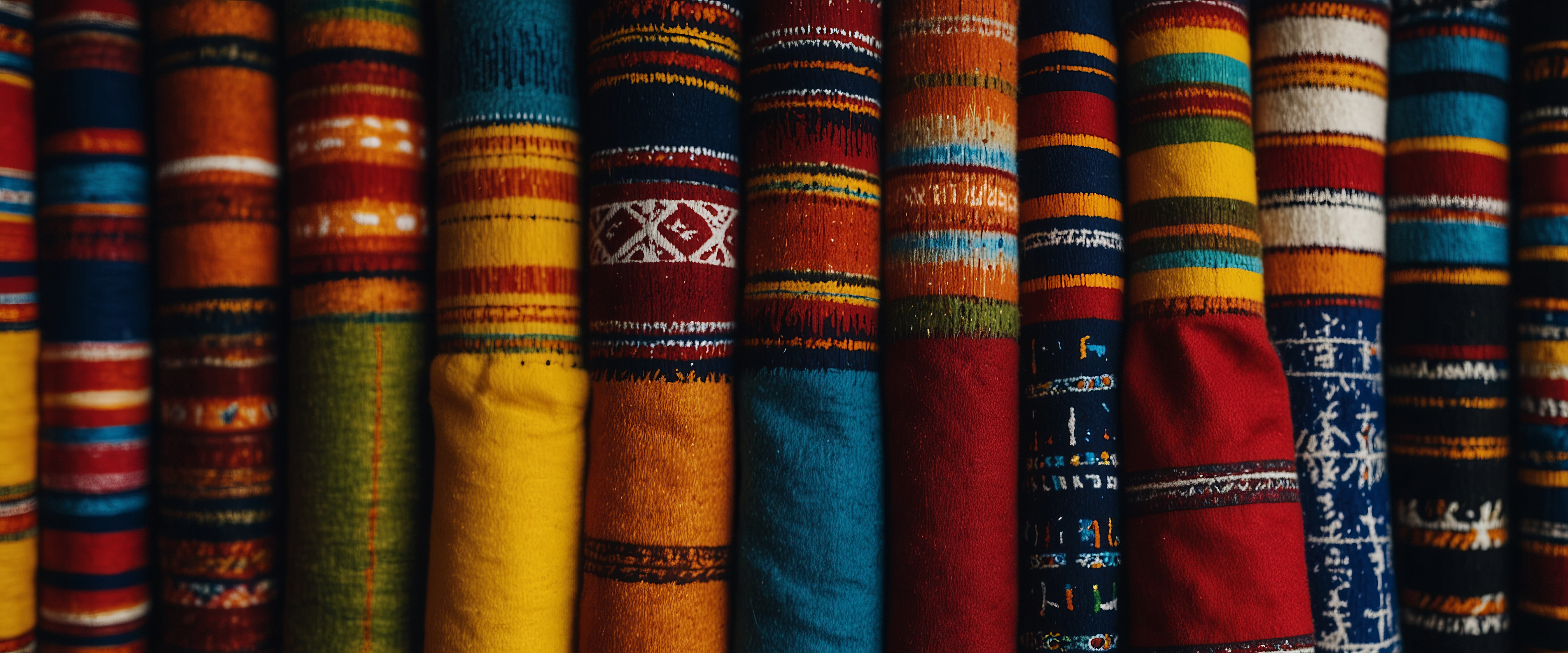
Expect to see Romanian culture translated through little details.
A shining example: The Painted Monasteries of Bucovina. Famous for their exterior paint jobs, these buildings are beautiful feats of creativity and history spread across the landscape. It’s hard not to stop and take it all in.
You don’t have to venture to UNESCO sites to experience culture.
Romanian culture reveals itself in architecture, craftsmanship, and everyday details.
You learn to see it when you know where to look.
Open Water, Wildlife, and Standing Still
And then Romania surprises you again.
Hours away from the charming wood structures and vibrant paint lies the Danube Delta. Instead of driving, you’ll find yourself on a boat, wandering through rivers and channels. The focus seems to shift from sightseeing toward wildlife and movement through the landscape.
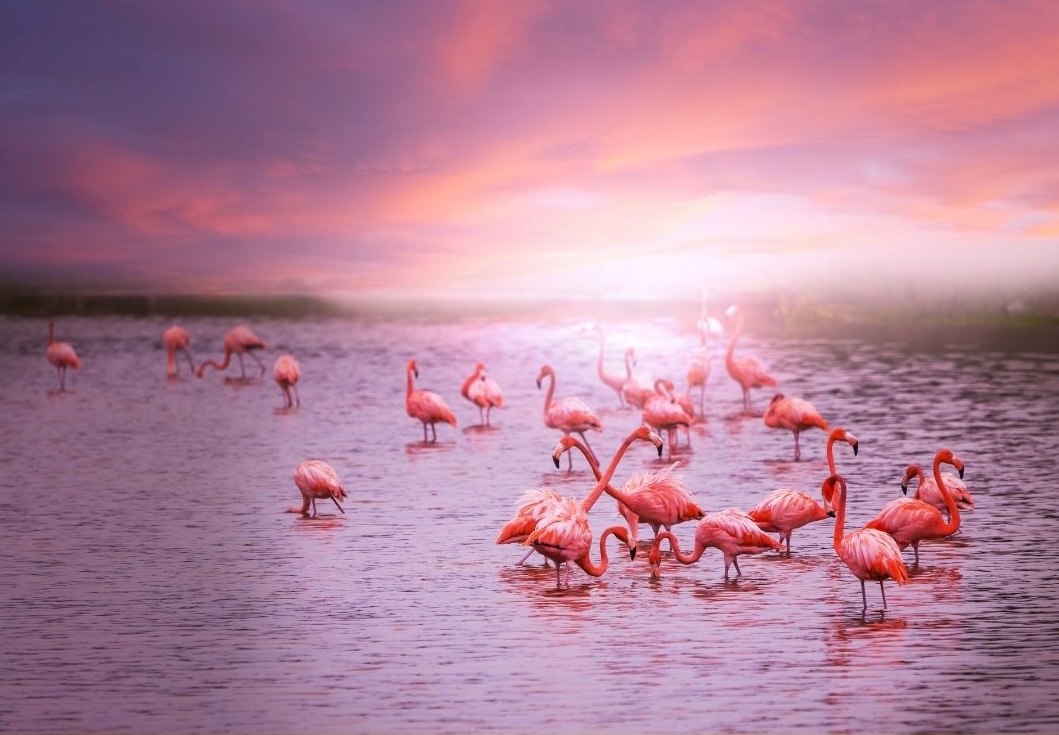
Canoes replace four-wheel drives. Bird life replaces background scenery. Nature’s music is all around. The experience appears less about stopping and more about moving with the landscape itself..
Wide stretches of water, shifting routes, and birds fill the air. The Danube Delta feels abundant in every direction.
Add the Black Sea coastline on the eastern edge of Romania, and you’ve got another story.
Wide open horizons. Sea spray. A completely different feeling.
Romania isn’t one thing. Again, multiple layers.
Food Stops Along the Way
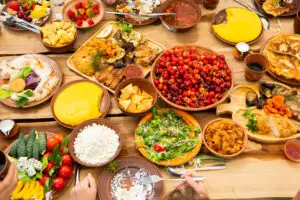
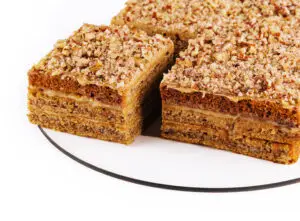
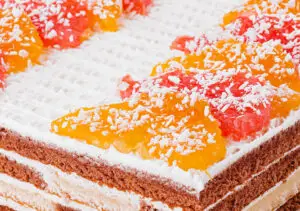
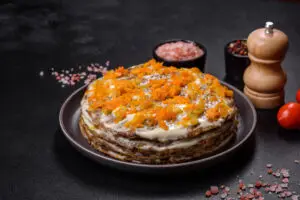
Romanian food also follows suit. Hearty and satisfying, meals throughout the country feel grounded. You’ll see a lot of influence from its European neighbors, but with a practical twist.
Dishes tend to be substantial, no-nonsense and tied to what is in season.
Expect food that feels like it belongs there. Kind of how every other element of Romania makes you feel.
Lessons From Romania
Romania isn’t about that one moment.
It’s about how you get there.
The mountains transition to towns.
Which transition to countryside.
Which transition to beautiful water.
You experience the beauty of Romania when you let yourself slow down enough to notice.
Romania doesn’t try to shout you over.
Instead, it builds something worth stopping for.
You realize Romania isn’t one single thing. It’s the collection of details that make you feel something more than what you’ve seen before.
Soon, you learn that it’s not about seeing as much as you can.
It’s about experiencing what you see.