Poland by Distance
Poland does not announce itself with a single introduction. It sits in the middle of Europe, both geographically and historically. Layers define it.
You begin to understand Poland by moving through it. By road. In stages, the same way history unfolded.
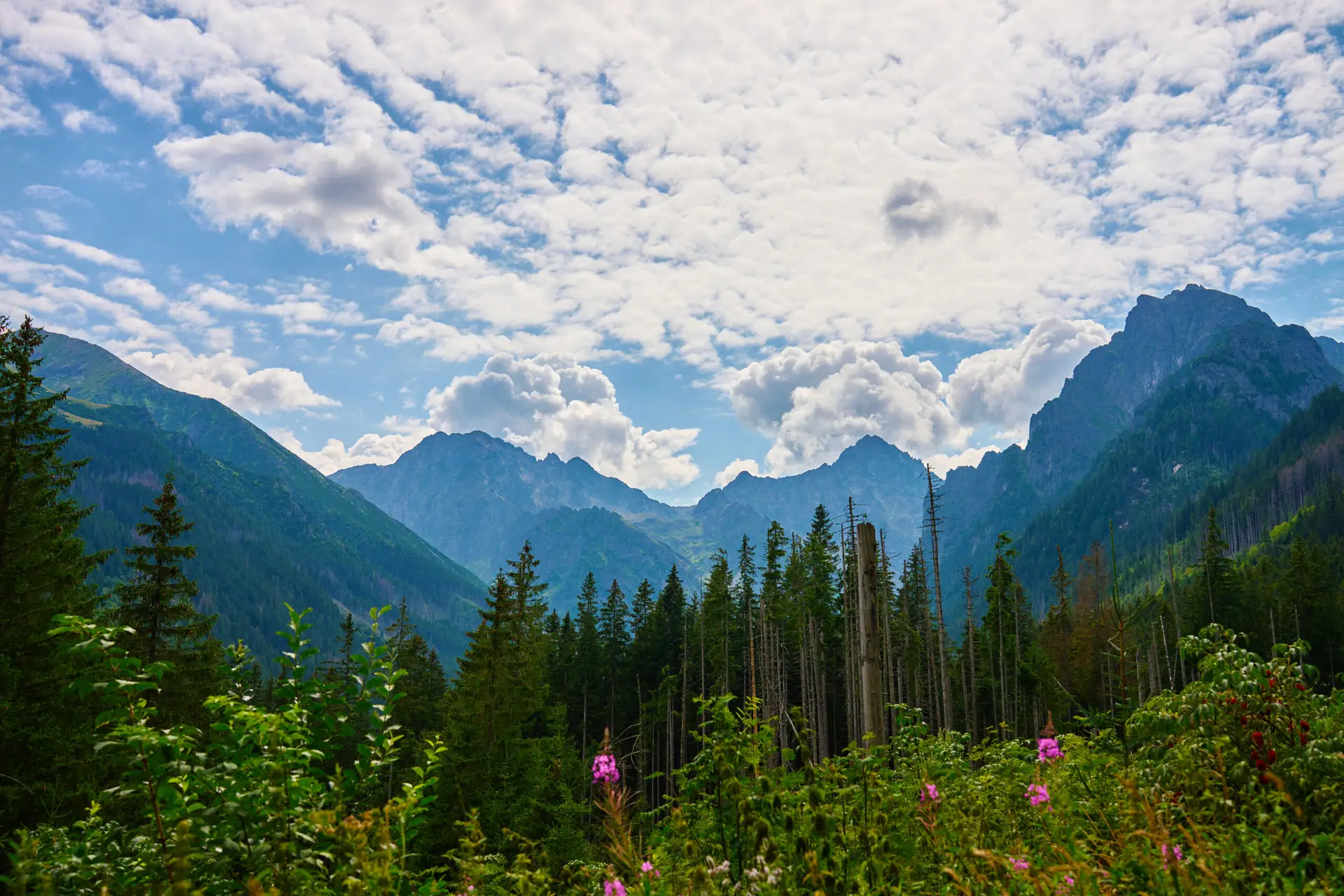
Start in the south. Mountains rise toward Slovakia. Move east and forests take over. Head north and Baltic winds reach wide, sandy beaches. In the center, plains stretch outward with little interruption. A long river, the Vistula, runs through it all.
Poland is not one landscape. It is a collection of regions shaped by climate, latitude, neighbors, and centuries of change. And yet, when you travel across it, there is a sense of familiarity that settles in.
A Country That Once Disappeared
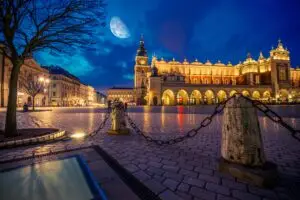
Before the twentieth century and before the upheaval of World War II, Poland stood as a prominent power in Europe. The Polish-Lithuanian Commonwealth stretched across large portions of the continent in the sixteenth and seventeenth centuries. Royal banners flew over Kraków. Trade moved steadily through its cities.
Then Poland disappeared.
Russia, Prussia, and Austria divided the country among themselves in the late eighteenth century. By 1795, Poland no longer existed on any map. For 123 years, it remained erased as a political entity.
But Polish people remained.
Their culture remained.
Their language remained.
Poland returned after World War I in 1918. A nation restored.
It would not hold for long.
1939: War Comes to Poland
Germany invaded Poland from the west on September 1, 1939. The Soviet Union followed from the east two weeks later. The country was divided once again.
World War II had begun.
Six million Polish citizens lost their lives. Half of them were Jewish. Entire cities were reduced to rubble. Travel routes were broken. Families were displaced across regions and borders.
Near Oświęcim, Auschwitz-Birkenau opened in 1940 as the largest Nazi concentration and extermination camp in occupied Poland.
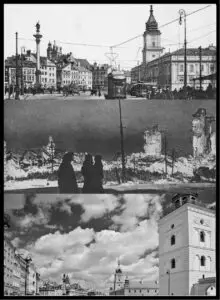
Warsaw endured relentless bombing. After the Warsaw Uprising in 1944, the city was nearly destroyed. By the end of the war, approximately eighty-five percent of the capital lay in ruins.
When the war ended in 1945, Poland’s borders shifted west. The country fell under Soviet influence, where it would remain for more than forty years.
Poland rebuilt.
A Country That Built Itself Again
Not every part of Poland carries visible scars of destruction.
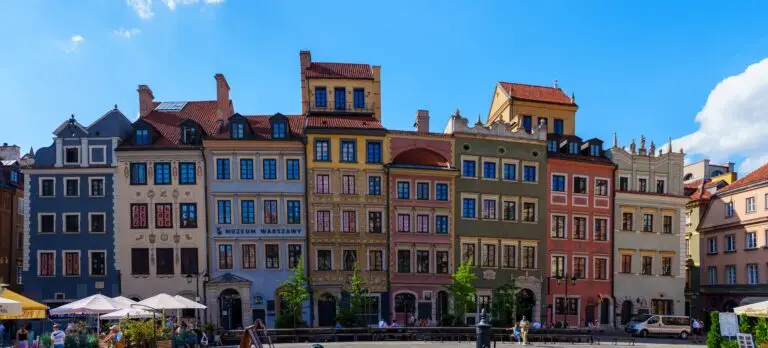
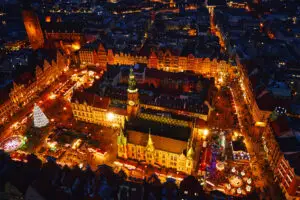
Warsaw’s Old Town stands as one of the most remarkable examples of reconstruction in Europe. Using photographs, paintings, and original plans, citizens rebuilt entire streets as they once existed. What appears historic today is, in many places, a careful and deliberate restoration.
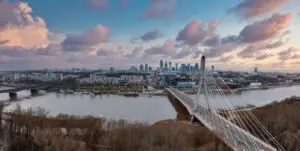
During the communist period, Poland’s cities and industries were reshaped. Large apartment blocks rose. Manufacturing expanded. In Warsaw, the Palace of Culture and Science still stands as a reminder of that era, towering over the skyline.
Not everything could be restored.
In 1980, workers at the Gdańsk Shipyard initiated strikes that grew into the Solidarity movement. A nonviolent push for change spread across the country.
By 1989, communism ended following partially free elections.
Poland moved forward again.
It joined NATO in 1999 and became part of the European Union in 2004. Market reforms reshaped the economy. The country rebuilt itself once more.
Landscape as a Quiet Constant
History moves quickly in Poland. The land does not.
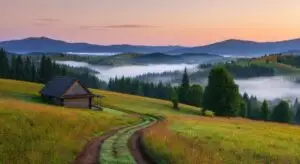
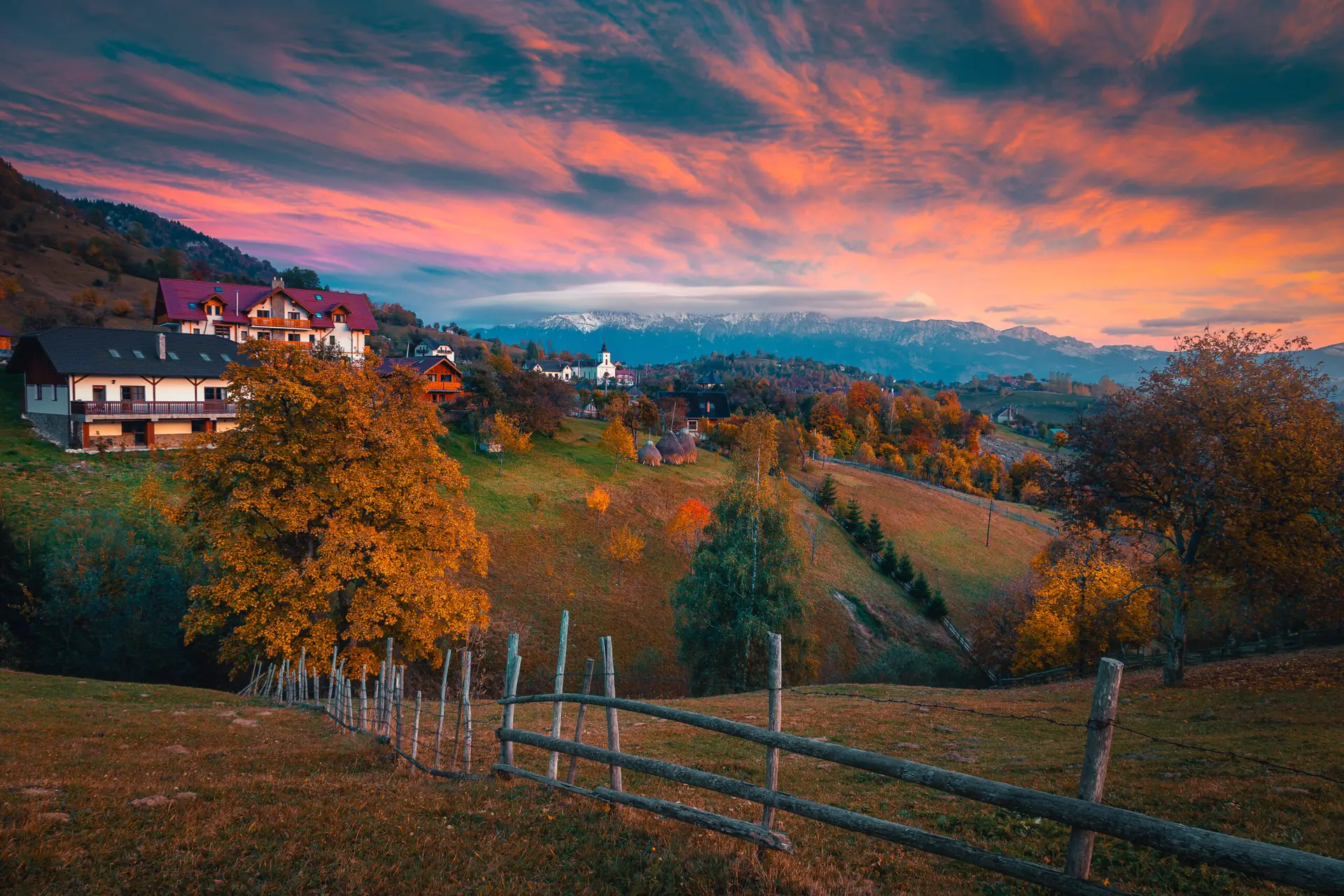
In the south, the Tatra Mountains rise along the Slovak border. Alpine lakes such as Morskie Oko sit beneath granite peaks. In Zakopane, wooden homes and traditional dress reflect a long-standing highland culture.
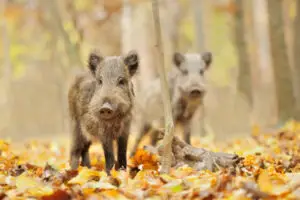
To the east, Białowieża Forest stretches across the border with Belarus. It remains one of Europe’s last primeval forests. European bison still move through these woods. Some of these trees stood long before modern Poland existed.
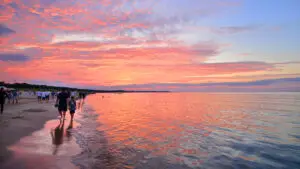
In the north, the Baltic coastline opens to wide beaches and shifting dunes. In Słowiński National Park, wind shapes the land. Along the shore, families search for amber.
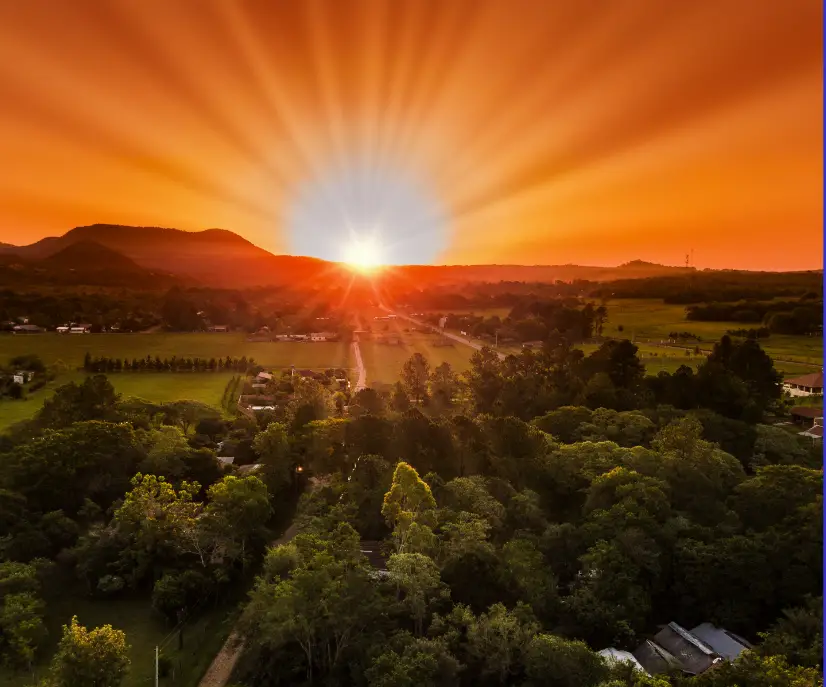
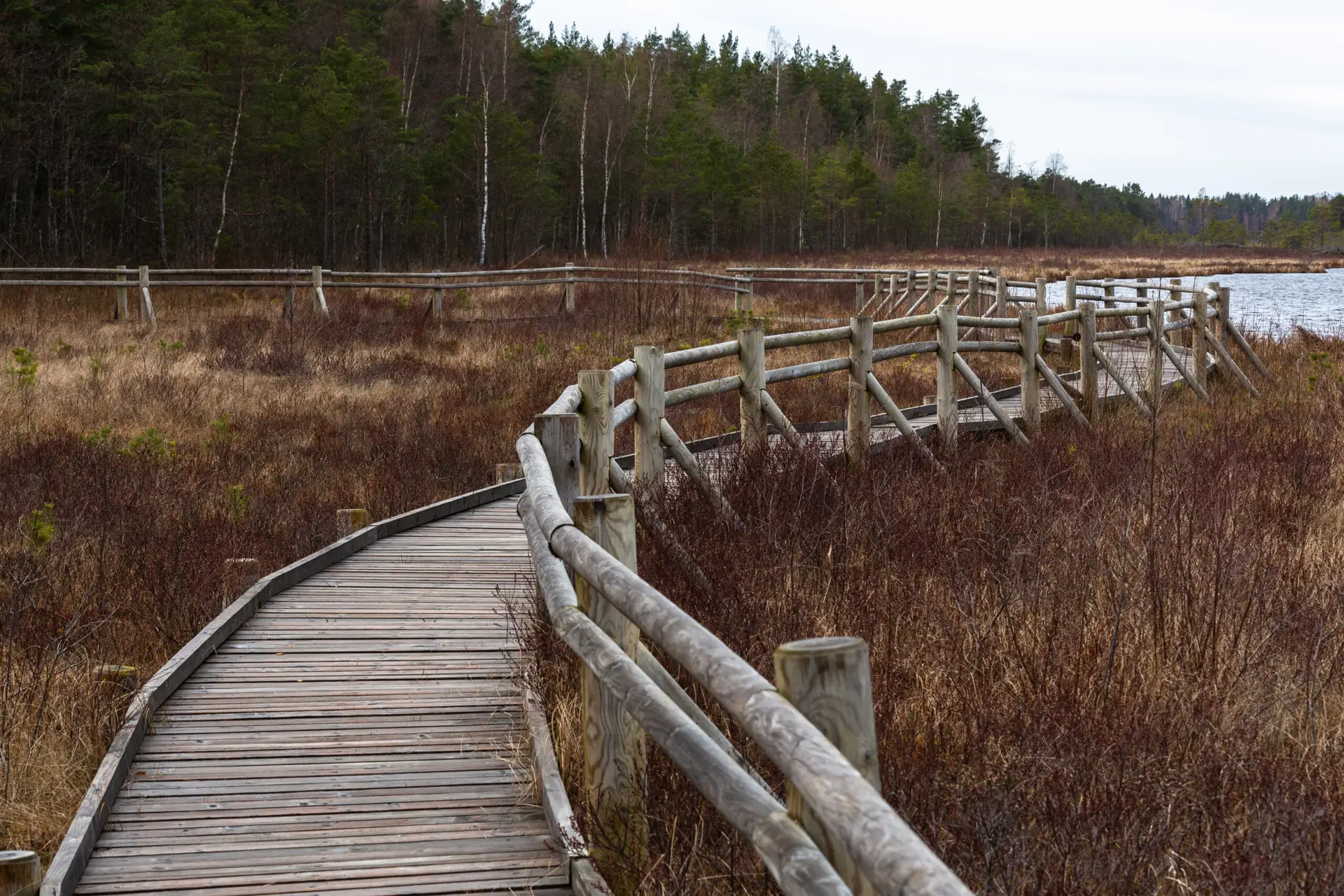
Central Poland is defined by farmland. Fields extend across Mazovia and Podlasie. Red-roofed homes sit among crops. White storks nest on chimneys. At rural intersections, crosses and shrines mark the landscape.
Poland is not dramatic in the way of towering peaks or deep fjords. It is open, seasonal, and grounded. Its land reflects the same steady resilience found in its history.
Culture Shaped by Faith, Craft, and Food
Three elements stand out across Poland: faith, tradition, and food.
Catholicism remains deeply rooted. Churches and shrines appear in cities and small towns alike. Wawel Cathedral overlooks Kraków as both a religious and cultural landmark. Jasna Góra in Częstochowa continues to draw pilgrims to the Black Madonna. Pope John Paul II, born in Wadowice, remains one of Poland’s most influential figures. Faith is visible in architecture, celebrations, and daily life.
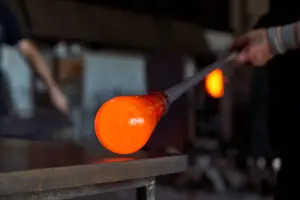
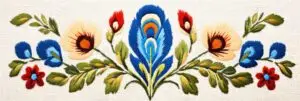
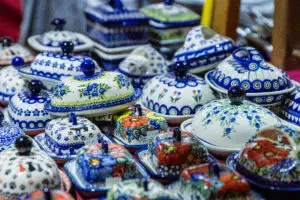
Local traditions remain just as present. In Łowicz, striped folk costumes reflect agricultural heritage. Paper cut art known as wycinanki continues in places like Kobierzyna. Bolesławiec pottery carries forward generations of craftsmanship.
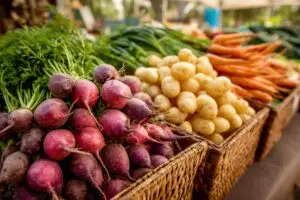
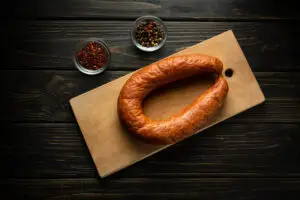
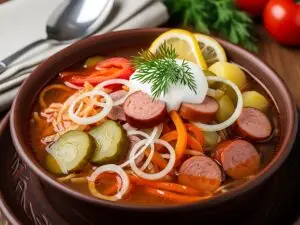
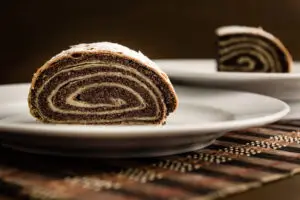
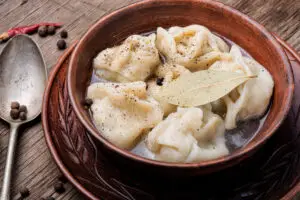
Food follows the same pattern. Hearty dishes built on meat, dairy, potatoes, and cabbage reflect both climate and history. Pierogi remain a staple. So do regional drinks such as sour rye-based beverages.
Modern Poland continues to evolve. Cities like Warsaw blend contemporary techniques with traditional ingredients. Innovation exists, but it remains grounded.
Poland Must Be Experienced
A country can be understood by how it began, how it endured, and what it continues to build.
Poland began as a strong presence in Europe. It survived erasure. It lost millions of its people during World War II. It rebuilt itself more than once.
Its history carries weight.
So does its resilience.
Wars have crossed its borders. Governments have changed. Landscapes have remained.
Poland does not demand attention. It reveals itself slowly, across distance, through movement, and over time.
And in that way, it stays with you.