The Willing Traveler

Peru isn’t revealed to you in a hurry.


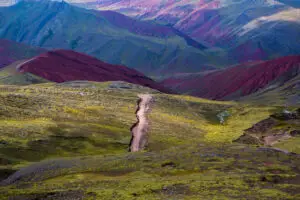
Earned through altitude gained and lost, humidity felt, meals consumed slowly, and rituals observed quietly. The country is defined not by borders but by its geography — coast, mountains, rainforest stacked one on top of the other instead of spread out horizontally. To travel in Peru is to pass through worlds sometimes in a single day, and to learn that each one has contributed to how people eat, travel, live and worship.


This is not a destination you hurry through. It’s a destination that forces you to slow down and pay attention.


The Reality is Three Regions…Explained

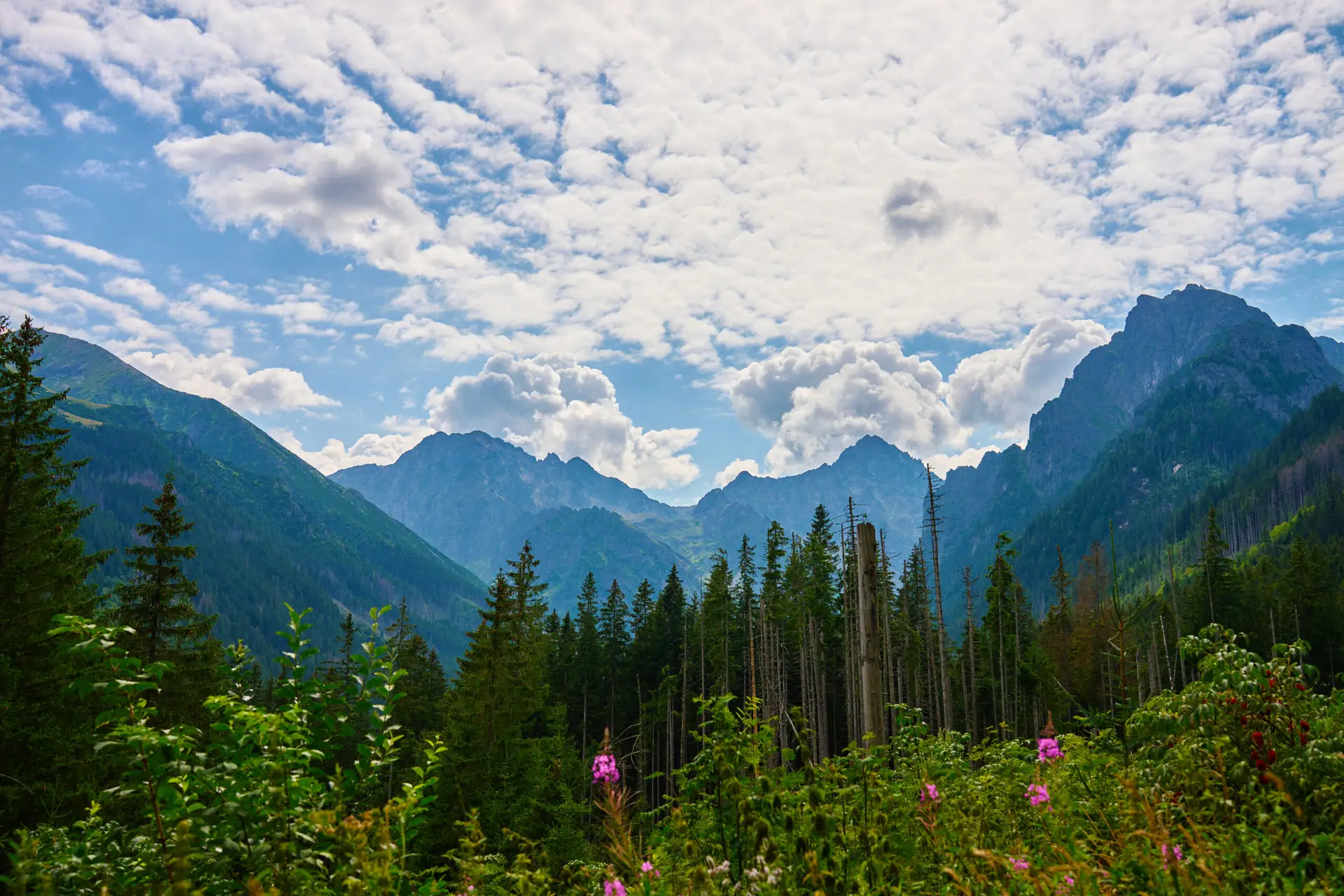
Pacific coast. Andes mountains. Amazon basin.

Everything in Peru revolves around those three elements. Climate, agriculture, building materials, transportation options — even conversations change depending on the region you find yourself in.

Down by the coast, life is carried out with one eye on the Pacific.

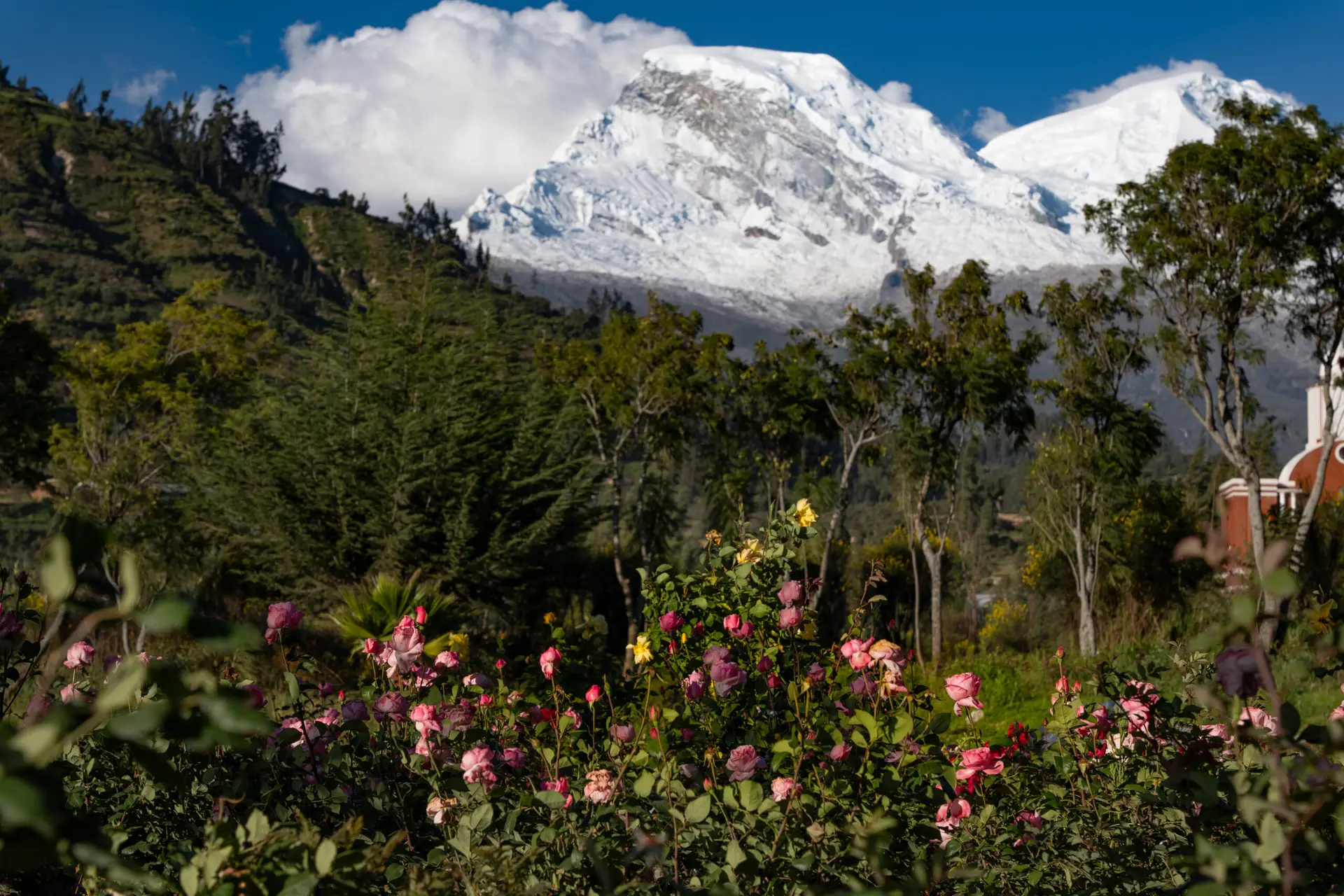
In the mountains, altitude affects everything down to your pace and appetite.

Heading into the Amazon, you leave roads behind and substitute river currents for miles travelled.

The coast, mountains, and jungle aren’t three different trips woven together for tourists. Indigenous to Peru, they exist symbiotically and rely on each other in ways you’ll come to understand the longer you spend in the country.

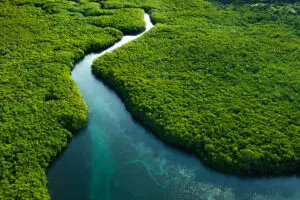
Rio Amazonas: Amazonia (The Jungle) Life Along the Water

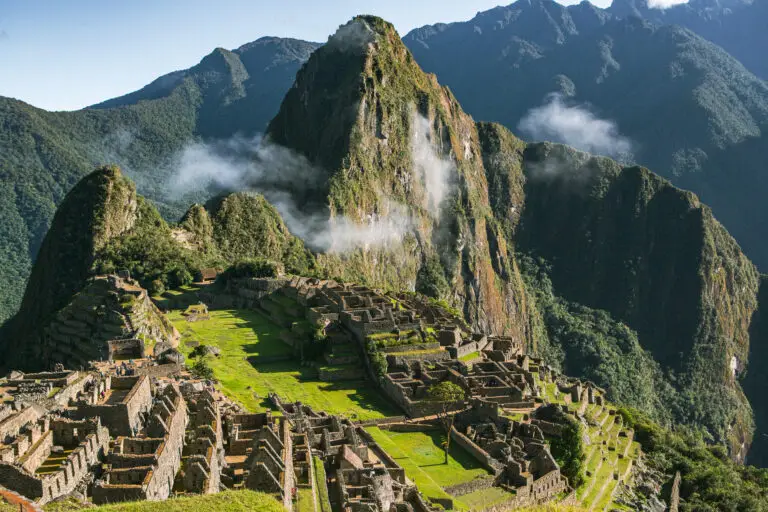
Machu Picchu may draw all the attention, but the Amazon is what Peru hums about.

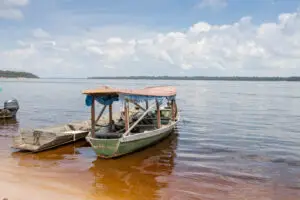
Flying into Iquitos you’ll realize pretty quickly that roads come to a literal end once you enter jungle territory. Boats aren’t an activity here, they’re your primary mode of transportation.

The river serves as highway, market, and gathering place all in one.

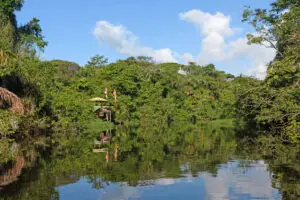
Civilizations rose along the water’s edge using only natural resources found within the rainforest and your ability to build with them. Drop by an eco-lodge that floats on the river and you’ll experience a way of life that relies on water as a means of travel, but also imposes limits. Technology and luxuries are few because large scale operations don’t exist. Instead, respect, low-impact, and presence go a long way.

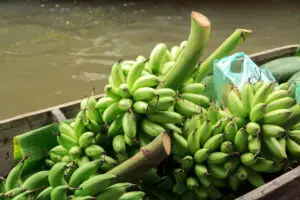
Food in the jungle will humble you. Because nothing is wasted, fish from the river make it on your plate multiple times per day whether it’s fried, incorporated into a soup, or served fresh. Meals are based on starchy carbohydrates to fuel movement through the jungle and plant-based rather than animal protein where possible.
Food that Tells You Where it Was Made

You know how some foods are just better when eaten where they’re made?

Peruvian food will surprise you.


It’s earned reputation as a foodie destination isn’t inaccurate but it is misunderstood.


The ingredients change depending on elevation and local climate. Meals aren’t made to be beautiful, they’re made to be nourishing.
 

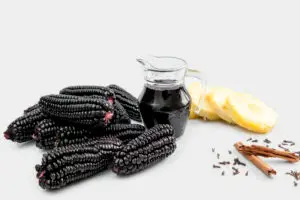
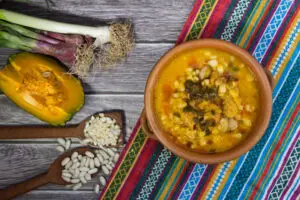
Corn, potatoes, quinoa are staples in the Andes because they’ve been selectively bred there for centuries into variations that wouldn’t look out of place in a trendy LA restaurant. Expect to see menus filled with variations of cazuela, a comfort stew-like meal made with meat, vegetables, starch (potatoes or corn), and herbs that’s meant to be eaten for breakfast or lunch to fuel you through long, cold days doing hard work.


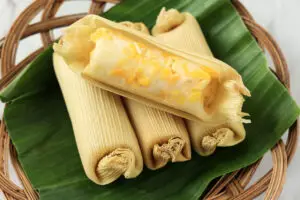
When food is good, you’ll remember where you ate it down to what street it was on. Case in point: unbelievably delicious sweet corn tamales I purchased during a 3 minute train stop between Cusco and Aguas Calientes. Folded in paper and eaten standing up on the train, I think about that corn tamale more than most of the other meals I’ve had along the way around the world.  It is the where, the circumstance, the flavors and the memories it created that I always come back to.  This is what Peru is all about.


La Montaña: The Mountains Teach you to Listen

They call it quiet ear sickness when you travel from sea level straight for the mountains. It happens to me every time.

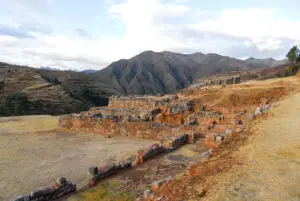
Maybe that’s why you listen so closely once you arrive. Cusco itself is a city built on layers of history. Incan ruins serving as the foundation for Spanish Colonial architecture that still stands strong while supporting locals who live and work in the city today. Ancient culture exists without cheesing it up for tourists.

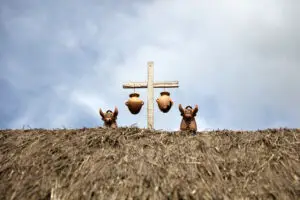
Peru is best understood through the Andean perspective that views land as ancestry, not property. Small tokens of food, wine, or other offerings given to Mother Earth before meals or big events aren’t exotic rituals — they’re intimate and quietly powerful practices that happen whether you’re there to watch or not.

Take shaman tours with that understanding and you’ll learn about ancient healing practices that view the connection between reciprocity and earth as healing, not stage-worthy for Instagram.

Building a Country… Before Building It’s Tourism Industry

Head southeast from Cusco into the Sacred Valley and you’ll notice that Peru was engineered to exist in the mountains long before your visit was ever contemplated.

Terraces for agriculture, irrigation methods, food preservation — everything was built with utility in mind at altitudes that would make your heart sing. The ingenuity of ancient Peruvians still influences agricultural practices today, with sites like Moray, Pisac and Ollantaytambo standing in as testaments to their understanding of micro-climates, water management, and preservation of land through soil regeneration.

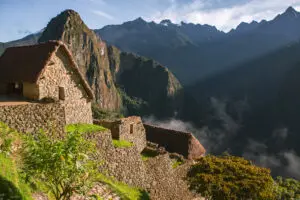
Sure, Machu Picchu gets all the glory. But reaching it by train feels wasted. Requiring you to get there. Hiking the Inca trail or another trail leading to Machu will slow you down enough to see how “earned” your visit really is.

Textiles will do that to you too.

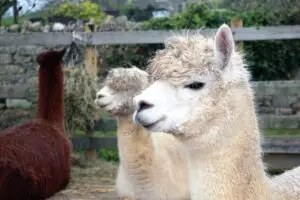
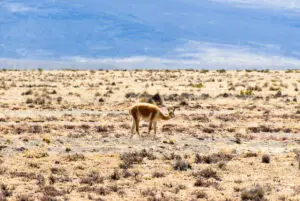
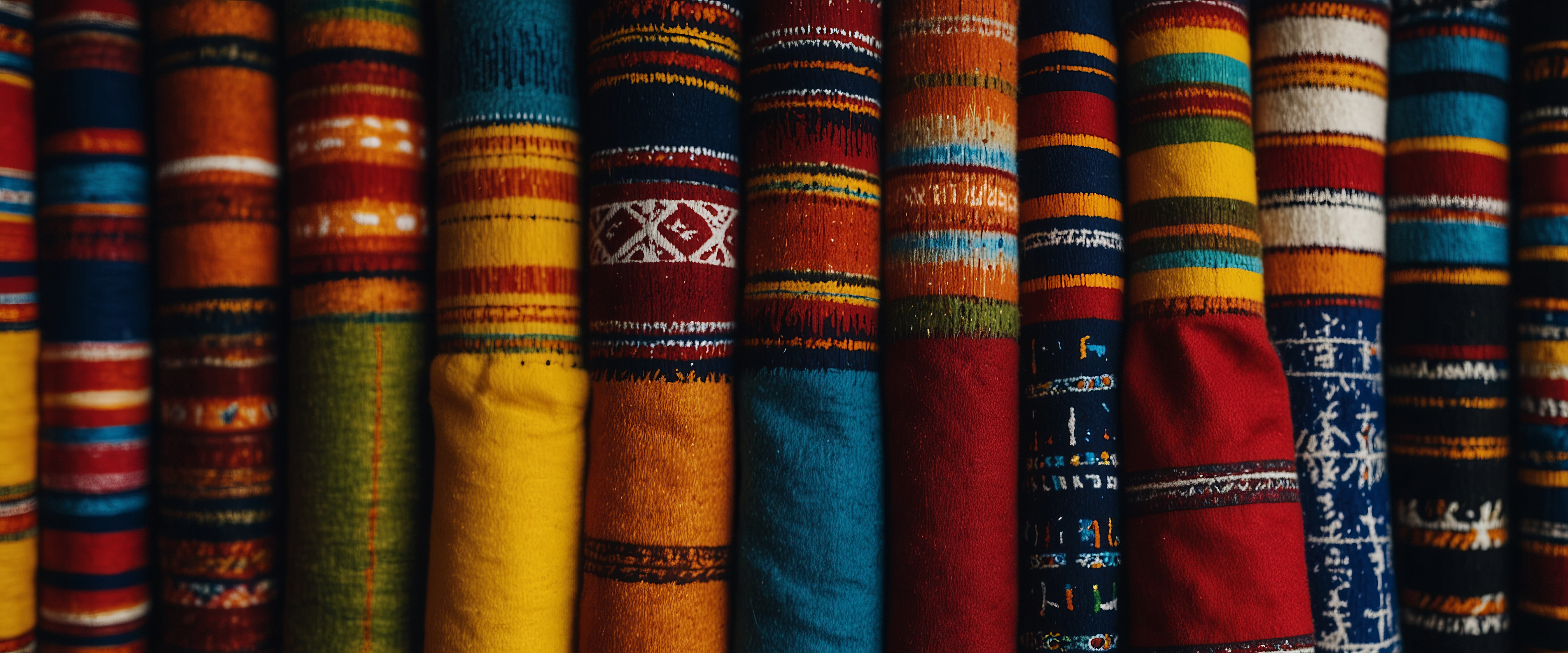
Welcomed by llamas and alpacas upon your arrival, you learn quickly these animals are not symbols of Peru but working animals. They provide wool that is spun and created into highly durable textiles you won’t find anywhere else designed to keep you warm in the high altitude. Textiles aren’t woven for pretty colors to be sold in bulk as souvenirs. They’re designed to function as insulation and used for that purpose by locals every day.

You learn this watching food prepared on the street, conversing with women who sit along the road weaving, or visiting a market full of locally sourced goods. Beauty in Peru isn’t vain, it serves a purpose first


Adapt to Altitude, or Altitude will Adapt You


Planning a trip to Peru? You will likely get altitude sickness. Days will rain when they’re supposed to be sunny. Roads will close.


Stuff happens.


And Peru doesn’t care, because it’s always happened that way. When you live off the land you learn quickly that seasons are everything. Timing your arrival, travels between regions, and understanding that if something doesn’t happen today, it may not happen at all is part of life in the jungle, mountains, and high plains.


Quick tip: embrace this as a traveler and you’ll never have a “touristy” experience again. Instead, you’ll see and be welcomed into real life as it happens in Peru.


Good travels – plan for the unexpected, read up on the areas that interest you and stay flexible as weather, vehicle troubles a detour can quickly alter plans and can bring some of the best and unexpected experiences.


Como siempre, soy un viajero dispuesto a ayudar. Pregúnteme sobre mi experiencia con un chamán durante mi visita a un ecoalbergue.

🇵🇪🦙🦜🐆

Amy


| have passport will travel