New Zealand: Exploring Through Place, Pace, and Perspective
New Zealand isn’t an obvious destination. It doesn’t overwhelm, compete or draw attention. Instead, it settles in — through the weather that changes without warning or apology, through the land that determines how people move, through the rhythm of life shaped by latitude more than schedule.
It’s a country that’s best taken in slowly. Not because it’s difficult to get around, but because trying to do it quickly is to miss the point.
Two Islands, Worlds Apart
New Zealand feels small from afar. Two islands, suspended in the South Pacific, easy to orbit on Google Maps. But as soon as you set foot on either of them, the differences are inescapable.
The North Island is shaped by volcanic energy — steaming geothermal vents, rolling green hills, and a cultural current that mixes Māori influence and modernity.
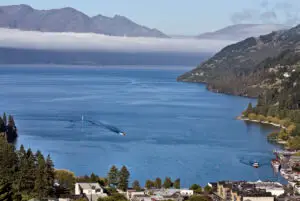
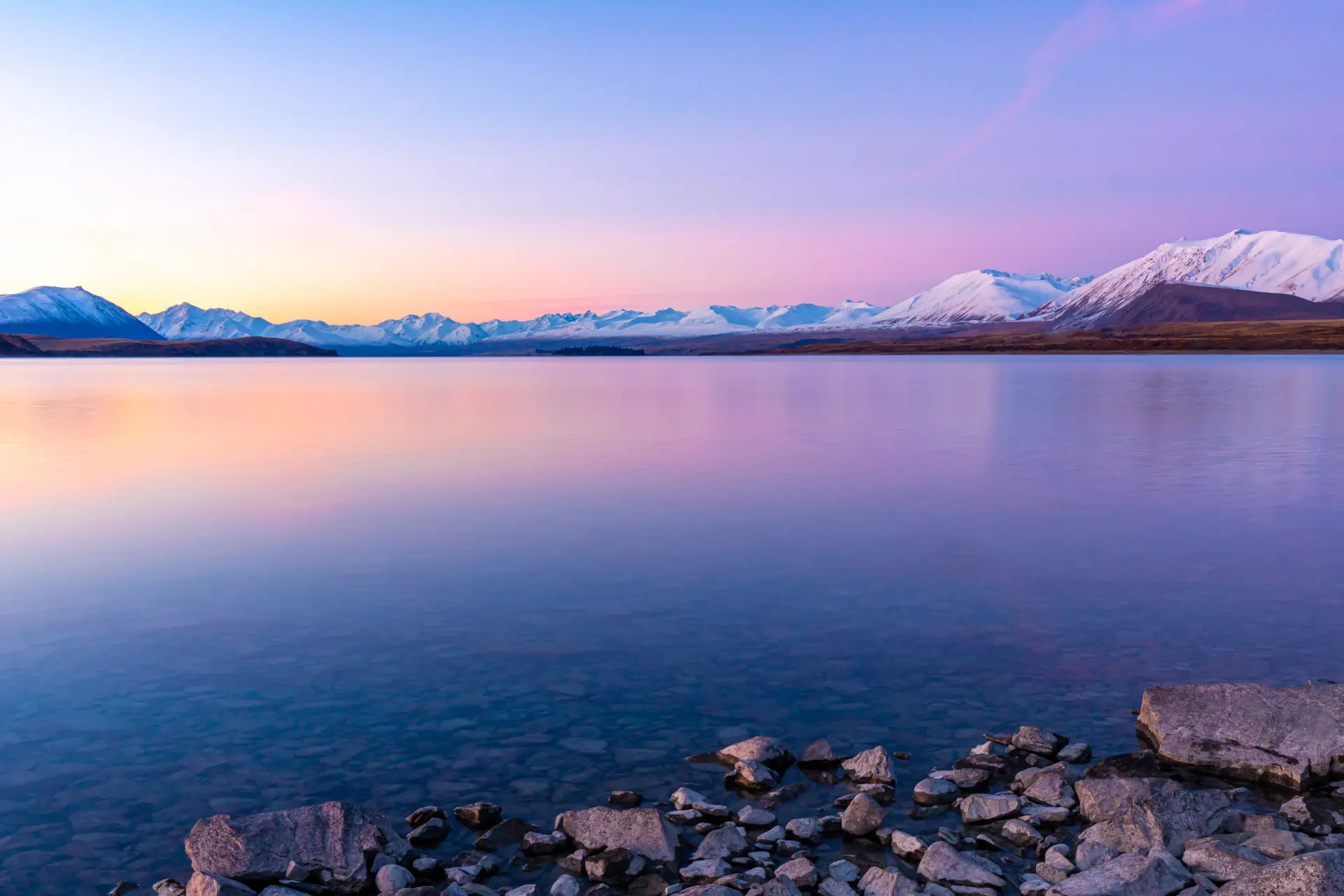
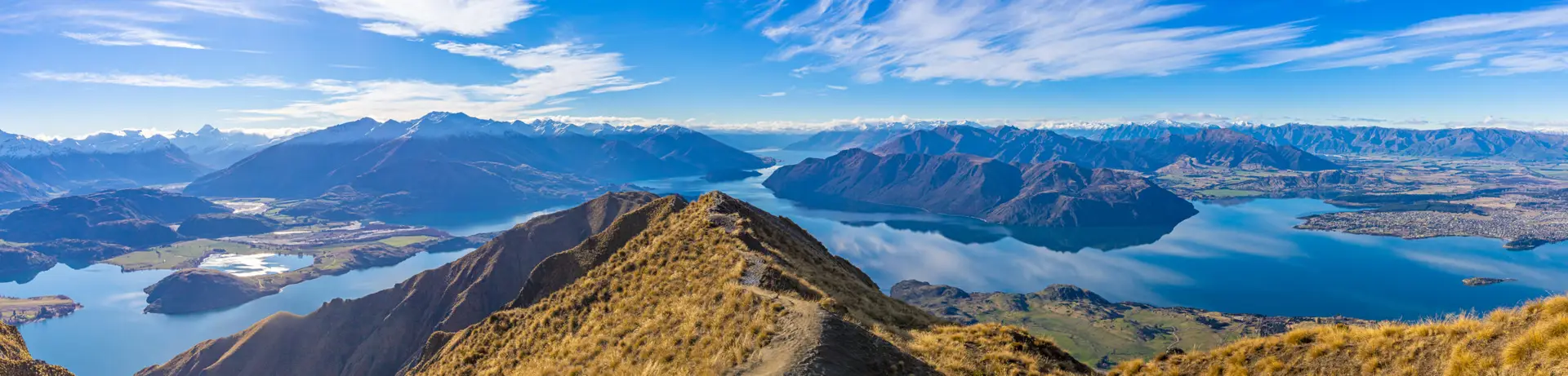
The South Island by contrast feels vast and elemental: alpine peaks, glacial lakes, braided rivers, long stretches where you feel more exposed than inhabited.
New Zealand’s remarkable because not just because of these differences, but because of how close they are. The country layers landscape, rather than spreads it out. You can go from coast to mountains in an hour. From town to wilderness, in a day. The country feels compact, even as it offers up stark contrasts.
Land That Leads
In New Zealand, the land doesn’t just set the backdrop — it sets the direction.
Mountains determine where roads go. Valleys channel movement. Weather shapes decision-making from day to day. Traveling here is less about following plans and more about responding to where you are.
Everything is reactive. Roads wind with the terrain instead of over it, and a journey rewards attention as much as arrival. The land is active: tectonic boundaries shift just below the surface, volcanoes and fault lines quietly asserting themselves. Glaciers, lakes and rivers co-exist in close proximity, carving valleys and ecosystems in visible ways. Even the weather is part of this sense of movement and awareness, shifting quickly enough to necessitate flexibility and patience.
New Zealand teaches adaptation simply by being itself.
Māori Worldview: Relationship Over Ownership
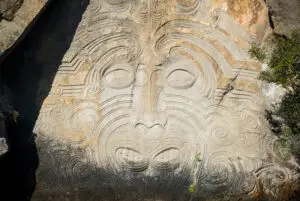
Fully understanding New Zealand requires understanding Māori culture and, in particular, the idea that the land is not owned, but related to.
In Māori culture, land is an ancestor.
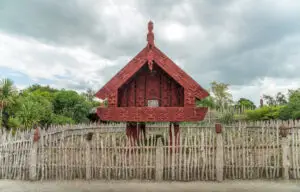
Identity is tied to place, language and lineage, creating a relationship that is both ongoing and lived. This worldview is not limited to museums and ceremonial spaces. It’s present in everyday life through language, place names, art, and education.
Te Reo Māori appears on road signs and official documents. Cultural expression is current and alive, not preserved behind glass. Tradition is lived, not re-enacted, constantly adapting while remaining deeply rooted.
The relationship with land shapes not just cultural identity, but national values around stewardship, conservation, and balance.
The Grounded Rhythm of Daily Life
Daily life in New Zealand feels both practical and grounded, shaped by a sense of scale over spectacle.
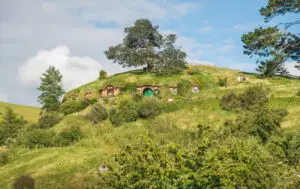
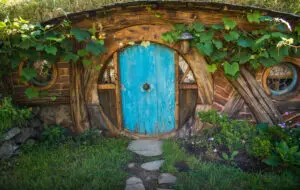
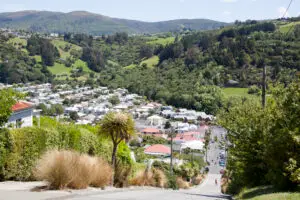
Small towns sit comfortably in big landscapes. Nature is not “something you go to.” It’s simply there, woven into daily life. Farming remains a big part of the economy and identity, reinforcing a direct and honest relationship between land, food, and work.
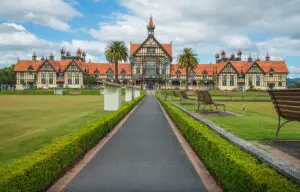
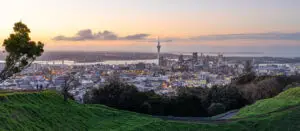
Even the cities reflect this. Auckland, Wellington, Christchurch all prioritize access to green space, water, and walkability. Urban life doesn’t feel divorced from the outdoors. Instead, it simply exists alongside it.
Outdoor activity isn’t extreme or performative. It’s just normal.
Travel Through Place, Not Miles
Travel in New Zealand is by design, scenic and encourages slowing down.
Roads are slow, trains and ferries turn transit into experience, and distances are measured not in miles, but in what you encounter along the way.
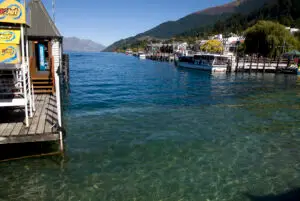
A single day can encompass remarkable variety — a quiet morning in a lakeside town, an afternoon drive through mountain passes, and an evening by the coast. The country’s size makes this possible, but its mindset makes it meaningful.
Movement here is not about efficiency. It’s about awareness.
Wildlife and Conservation
New Zealand’s isolation gave rise to species found nowhere else, but that same isolation makes ecosystems fragile and vulnerable. Conservation is not an abstract idea — it’s visible and active.
Protected areas, signage, and community involvement are built into the experience, reflecting an understanding of what’s at stake. Stewardship feels like a shared responsibility, grounded in long-term thinking rather than short-term gain.
This mirrors the larger national relationship to land: attentive, restrained, and forward-looking.
Different Priorities
New Zealand feels different because it has a different set of priorities.
Land leads. Pace follows. Balance matters.
The country doesn’t try to be all things at once. Instead, it allows geography, culture, and climate to shape daily life and, in turn, create a rhythm that feels calm without being static, grounded without being isolated.
Leaving New Zealand always feels less like departure and more like recalibration — carrying a quieter pace, a deeper awareness, and a new respect for how place shapes perspective forward with you.
Some destinations impress.
New Zealand stays with you.
Until next time,
Amy
A.K.A The Willing Traveler
| have passport will travel (and my trusty Atlas in hand!)