Portugal is one of those places.
Every time I visit, it’s like coming home to somewhere I’ve never been before. Portugal is color and calm and character, unfolding at its own rhythm and in its own time. It’s a country you don’t feel the need to check off a list or visit every tourist trap. You feel the need to let it settle onto your skin, live in the gaps between your thoughts and experiences for a while. To breathe it in and become part of its fabric for a little while.
 There are places that stay with you forever. That don’t go quietly, don’t fade or dim in your mind or heart. They linger in the quiet places — in the smell of salt in the air, in the way light pools in the curve of old stone, in the sound of laughter echoing down narrow streets long after you’ve turned the corner.
Lisbon & the Rhythm of Everyday Light
There’s something about Lisbon’s light that stays with you. It’s golden and soft and impossibly bright all at once, glowing off azulejo tiles and catching in the curve of a tram rail, throwing long shadows along the Tagus River.
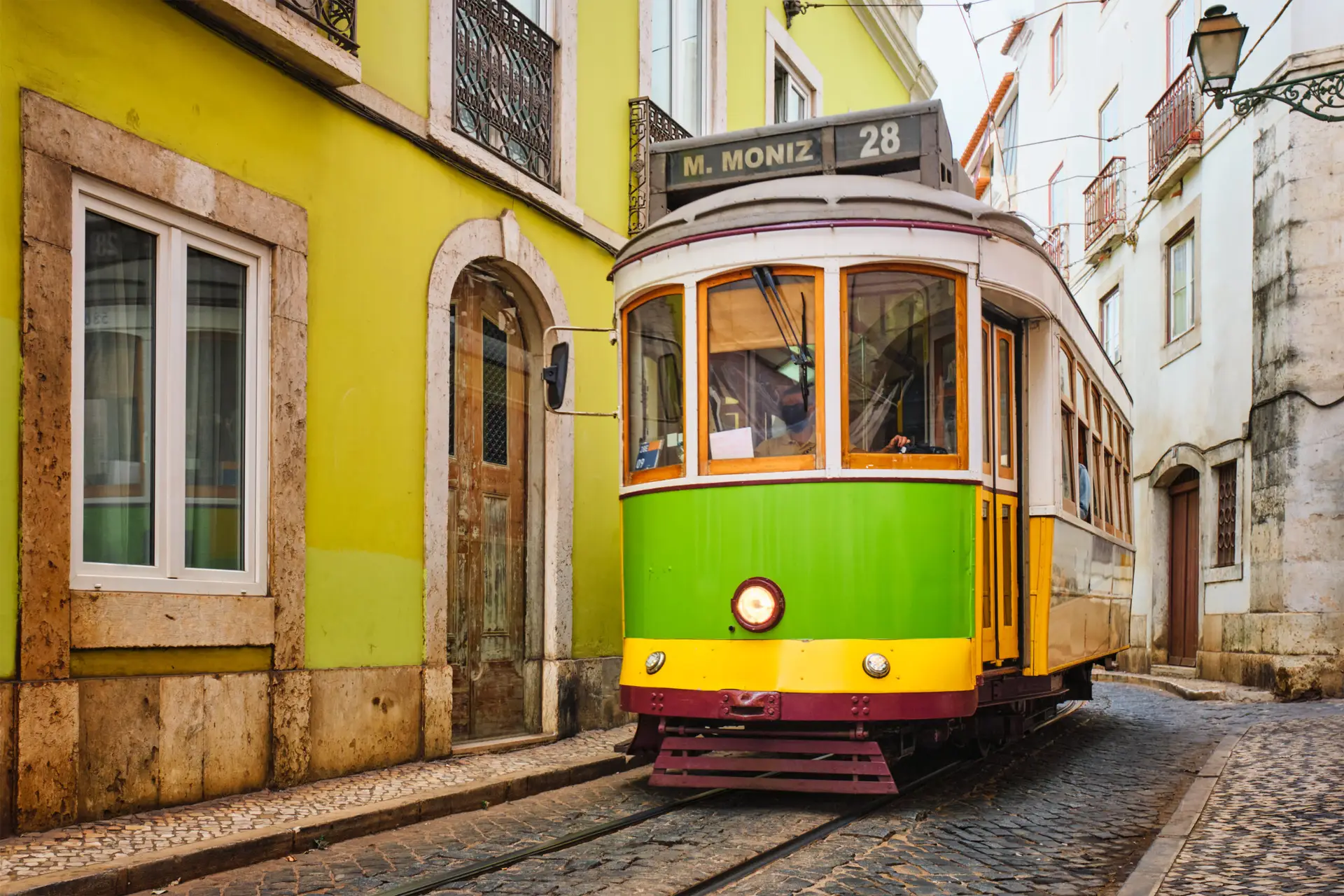
Every morning in Lisbon is the same — a quiet hum of activity as church bells chime across the city, wafts of fresh bread drift through cobblestone streets, and Tram 28 rumbles up the Alfama hills.
I love wandering Lisbon without a destination — meandering up and down its seven hills, taking in the views. You round one corner, and you find yourself at a miradouro with the whole city spread out before you — terracotta rooftops tumbling down toward the water. At another, a musician is playing Fado with a voice that rises and falls like the tide. Lisbon taught me that cities can have souls. That it’s not just about architecture or history. It’s the rhythm of everyday life, the art of conversation, and the shared moment between strangers watching the sun disappear over the river.
Alentejo & the Art of Slowing Down
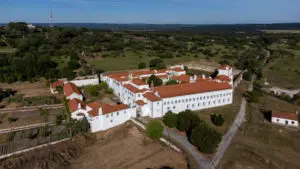
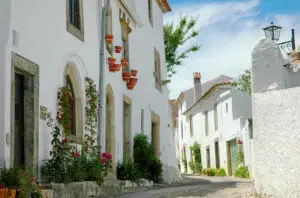
Head east, and the landscape opens up into stretches of gold. This is the Alentejo — rolling horizons, olive groves, cork trees, and sleepy villages that bask in the sun.
The Alentejo is where the art of slowing down is passed down from generation to generation. Where locals greet you with a glass of wine and a smile as wide as the countryside. Meals are a matter of hours, not minutes, and life has a rhythm that is as much shaped by the land as by the people who live and work there. I sat and watched farmers tend to cork oaks like they would a story, the slow passing of wisdom from one generation to the next. The region’s historic heart, Évora, is one of the most atmospheric places I’ve ever visited. It’s a place of whisper, not shout, with layers of history etched into its stones — Roman temples nestling next to whitewashed chapels, medieval walls wrapping sleepy streets. It rewards the patient traveler who is willing to linger.
Sometimes the best way to see a country is to stop moving at all.
The Islands Beyond the Mainland
And then there are the islands.
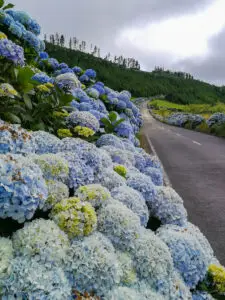
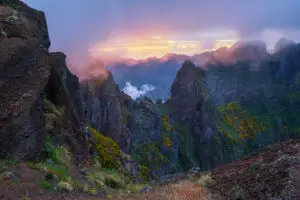
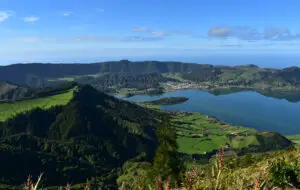
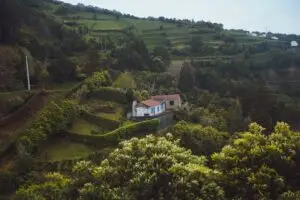
Far out in the Atlantic, the Azores are a miracle whispered by the earth. Crater lakes glisten in shades of blue and green so vivid they look like something from another planet. Steam rises from volcanic springs, and the air smells of rain and wildflowers. If you catch the timing of year just right, the hillsides are covered in hydrangeas and it’s a sight to be behold
I’ll never forget standing on the rim of Sete Cidades on the island of São Miguel, watching clouds drifting across twin lakes — one blue, one green — as if nature itself couldn’t decide which color it loved more. .
The Azores feel elemental. Like you’ve stumbled into the very heartbeat of the earth.
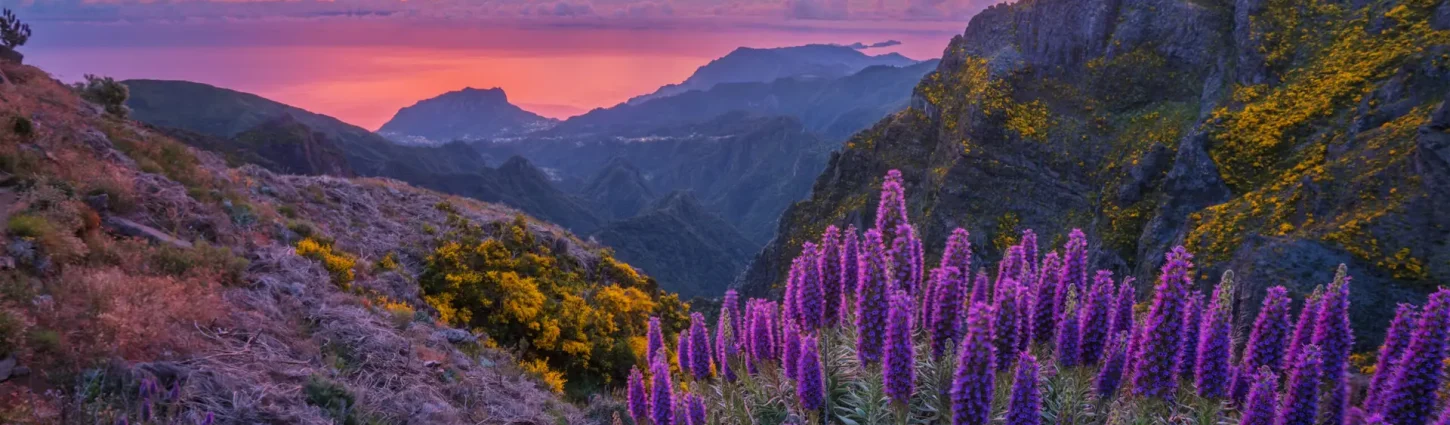
Madeira is another kind of magic — a mountain in bloom, rising out of the ocean. Locals call it the “Island of Eternal Spring,” and it’s not an exaggeration. Flowers and flavors grow with abandon here, and a sense of peace that lingers long after you’ve left like the scent of orchids in the air. The levada trails wind through mists and shafts of sunlight — places you can walk for hours and hear nothing but water and wind.
The islands taught me that travel isn’t just about what we see. It’s about what we feel.
A Taste That Feels Like Home.
If Portugal has a love language, it’s food. And I admit, it’s a love language that is hard to resist.
You taste it in a spoonful of caldo verde soup, in the flaky crust of a pastéis de nata, in the first sip of port wine as the sun dips behind the Douro hills.
Meals in Portugal are never rushed. They are shared. Plates move from hand to hand, and laughter travels faster than the wine. I’ve sat in little taverns where the owner pulls up a chair to chat and seaside cafés where you become friends with strangers before the bill arrives.
Flavors seem to carry stories of the land and the people who work it with them.
Portugal doesn’t just feed you. It invites you to the table.
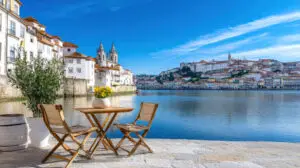
Portugal — The Memory That Lingers
Each time I leave Portugal, a little piece of it stays with me. In photographs, yes, but more so in moments — the warmth of sunlight on old tile, the sound of a tram’s bell, the kindness of a stranger, the rhythm of ocean waves crashing against cliffs.
It’s not a place you simply visit. It’s a place you carry with you.
And maybe that’s the magic of Portugal — it doesn’t demand your attention; it earns your affection.
The longer you stay, the harder it is to leave, and even when you do, a part of you remains somewhere between the sea and the sky, where light becomes memory. 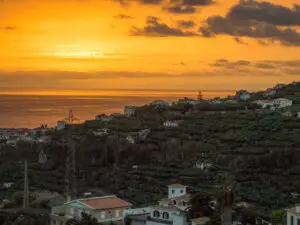
If you have not visited and experienced Portugal yet – when will you? It is some place everyone should visit at least once.
Boa viagem e que nos possamos encontrar na estrada um dia.
Amy
| have passport will travel