Exploring Estonia: Forests, Coastlines & Quiet Discovery
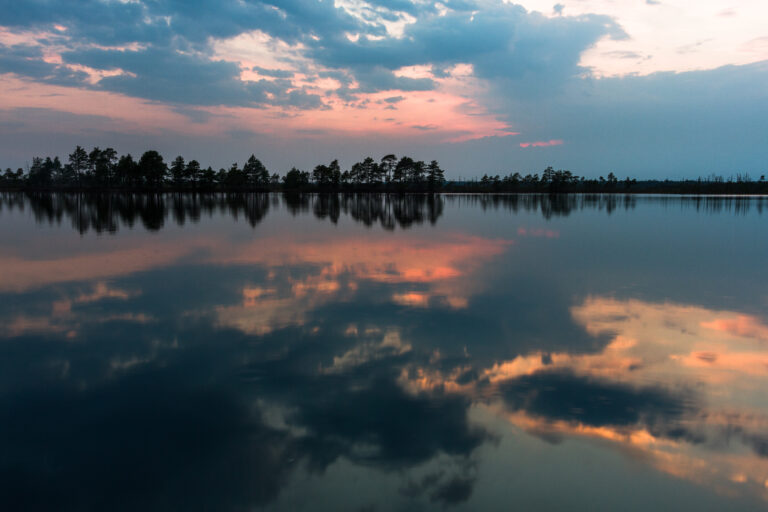
Estonia feels different from many places in Europe. It is quieter. Slower. More connected to forests, coastlines, wetlands, and seasons than to oversized landmarks or crowded attractions. While Tallinn often captures attention first with its medieval streets and cafés, much of Estonia’s identity exists outside the cities, where nature still shapes daily life.
What stands out about Estonia is not one singular “must-see” destination. It is how naturally people seem connected to the outdoors. Forest trails begin near small towns. Boardwalks stretch into bogs and wetlands. The Baltic coastline shifts from rocky shorelines to quiet beaches and scattered islands. Even in modern spaces, nature rarely feels far away.
That rhythm is part of what makes Estonia intriguing.
Where Nature Still Leads the Experience
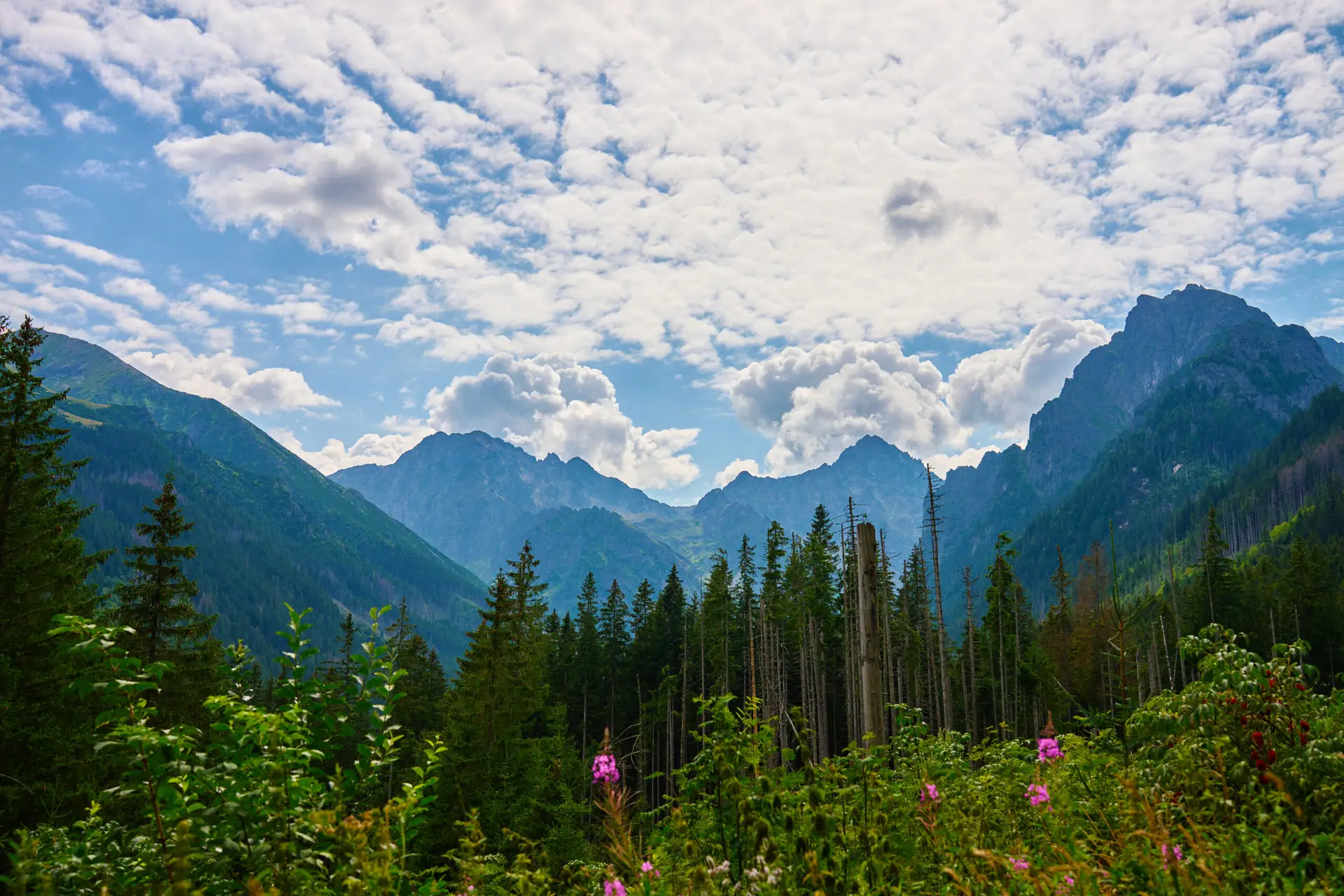
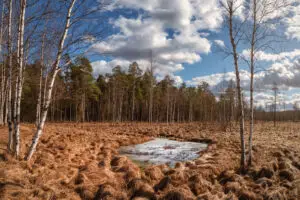
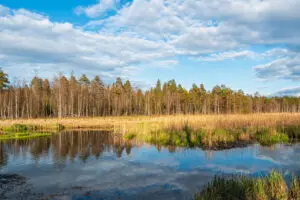
Nearly half of Estonia is covered by forest, and much of the country feels shaped by water, wetlands, and open landscape. Instead of dramatic mountain ranges or dense urban corridors, Estonia offers something softer and more subtle. Pine forests, moss-covered trails, wooden observation towers, and quiet lakes define much of the experience.
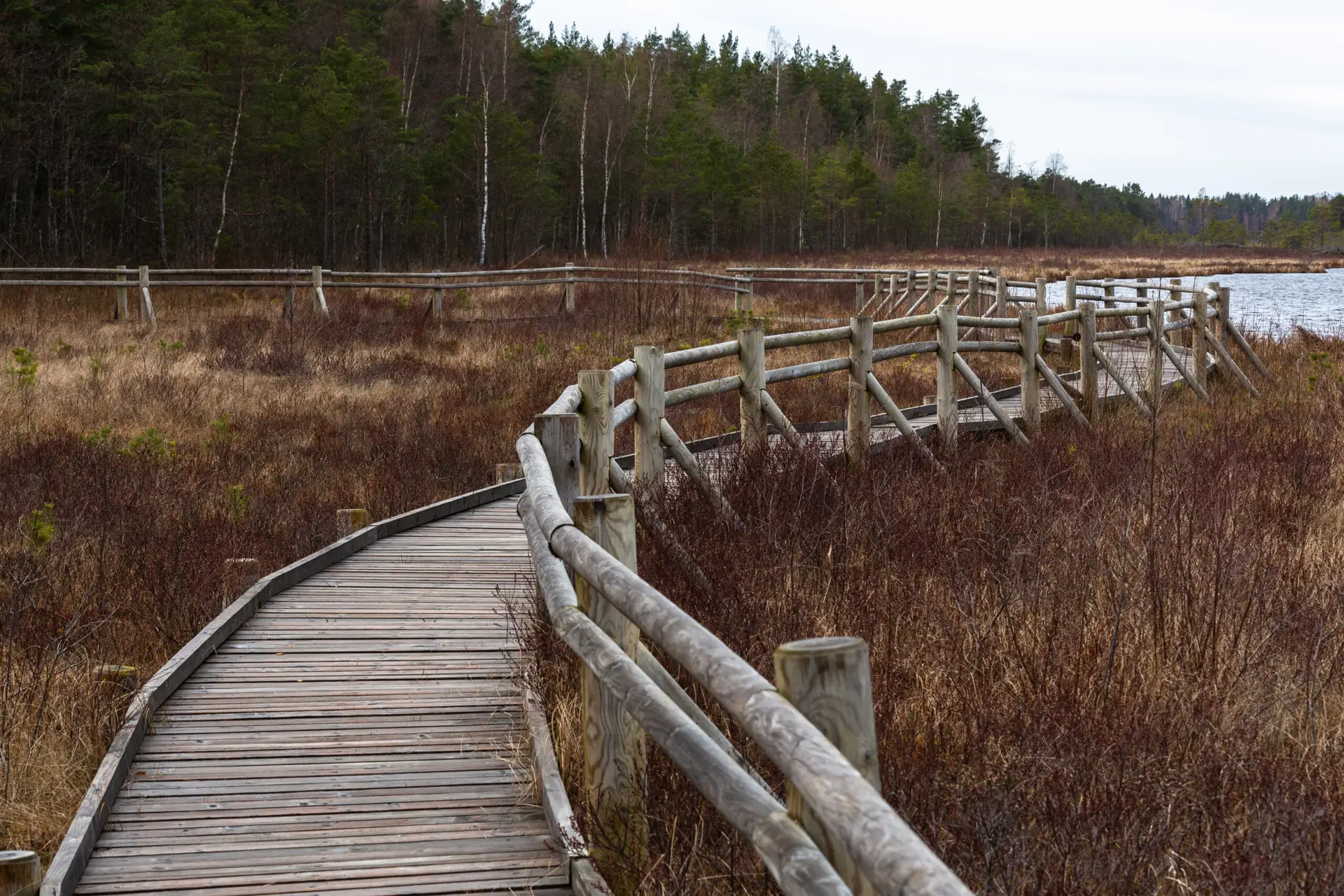
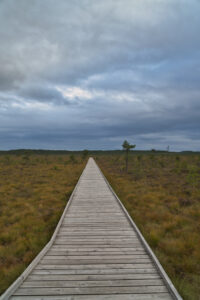
Lahemaa National Park, east of Tallinn, is often where travelers first begin to understand this side of Estonia. The park combines forests, coastal villages, marshes, and old manor estates into one landscape. Trails wind through bog systems where narrow boardwalks carry visitors across wetlands that seem to stretch endlessly into the horizon. There is movement here, but it is quieter movement. Wind through reeds. Birds crossing overhead. Water shifting beneath the boards.
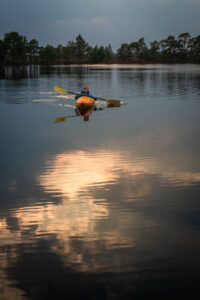
Further south, Soomaa National Park becomes known for its wetlands and seasonal flooding. During parts of the year, forests and meadows partially disappear underwater, creating what locals call the “fifth season.” Canoes move where roads once were. Nature temporarily redraws the landscape.
For travelers used to destinations that constantly demand attention, Estonia can feel refreshingly understated.
Wildlife and the Quiet Side of Observation
Estonia is also one of Europe’s more wildlife-rich countries. Brown bears, lynx, wolves, elk, wild boar, and countless bird species still inhabit its forests and protected areas. Most travelers will never see a wolf crossing a trail or a lynx slipping through the trees, but the possibility changes how the landscape feels.
Birdwatchers are especially drawn to Estonia during migration seasons. Coastal wetlands and open marshes become gathering points for cranes, geese, swans, and other migratory birds moving across Northern Europe. In quieter moments, observation towers and coastal trails become less about “finding” something and more about slowing down enough to notice movement in the landscape.
That may be one of Estonia’s greatest strengths as a destination. It encourages observation without constantly forcing activity.
Tallinn and Estonia’s Smaller Towns
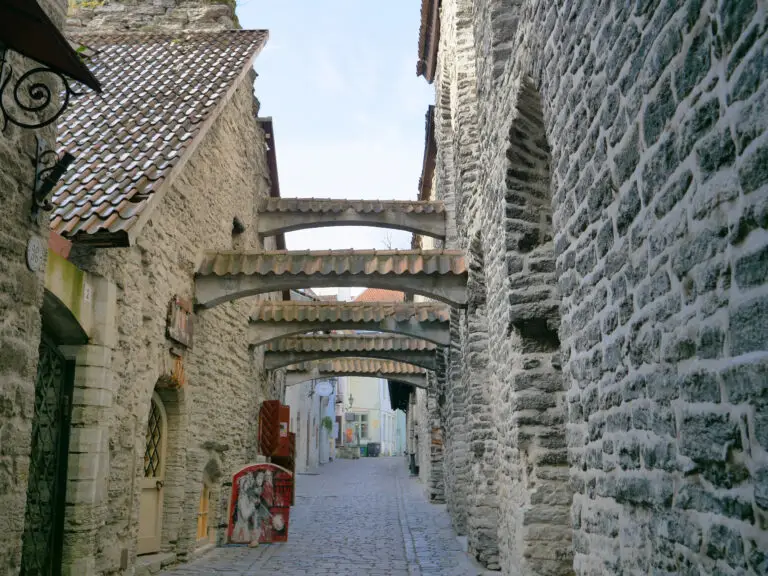
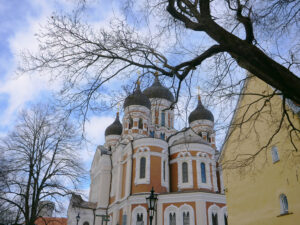
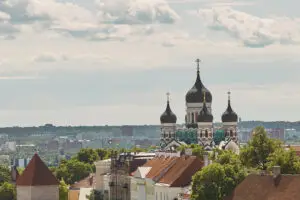
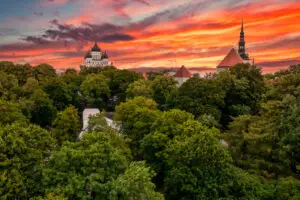
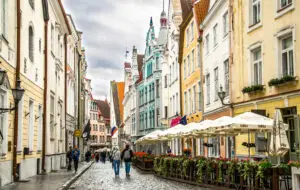
Tallinn still deserves attention. Its medieval Old Town, stone towers, and narrow streets create one of the better-preserved historic centers in Northern Europe. Yet even here, Estonia feels calmer than many European capitals. Cafés spill quietly into courtyards. Parks and waterfront paths soften the edges of the city.
But some of Estonia’s charm exists beyond Tallinn.
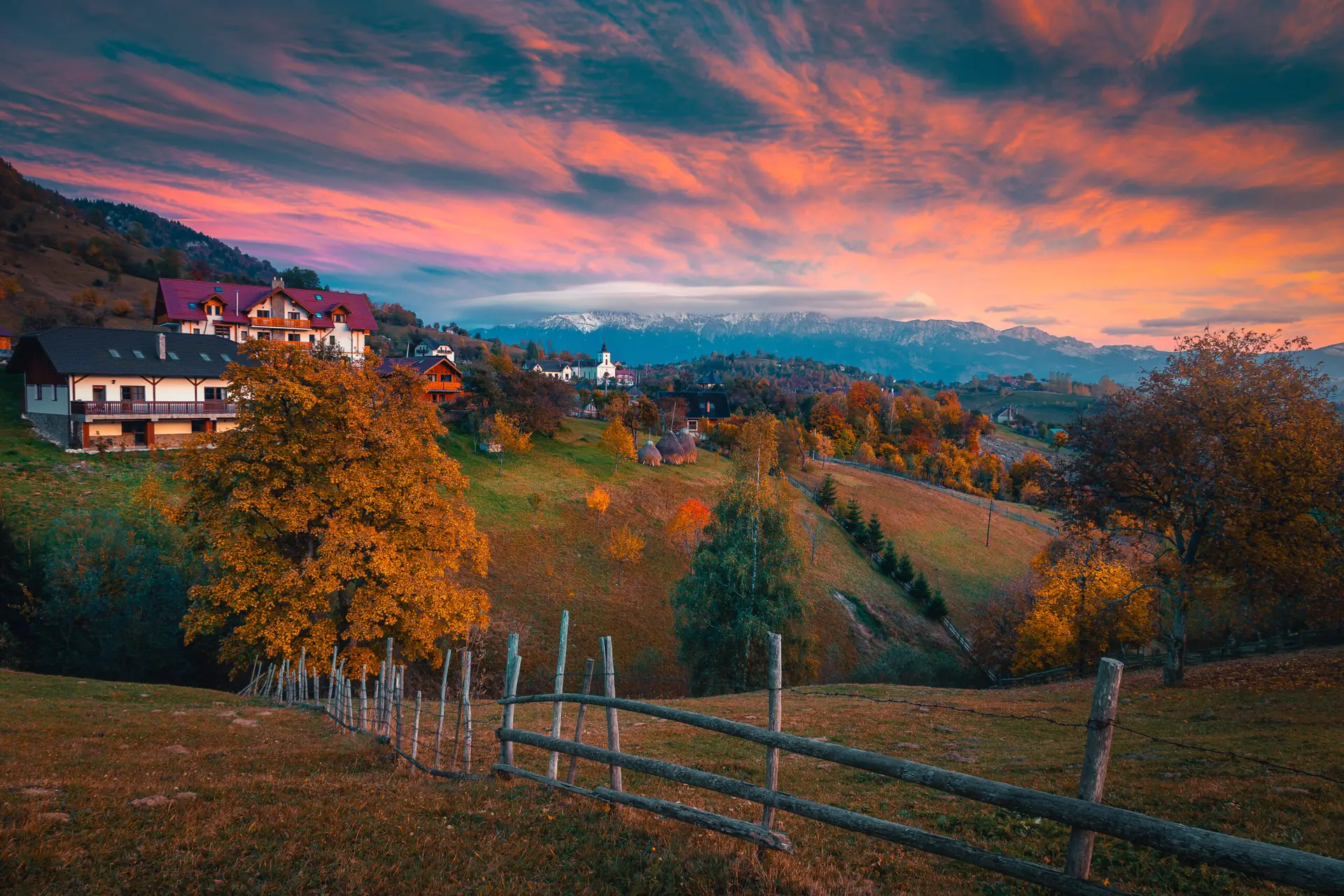
Small towns like Haapsalu and Kuressaare carry slower coastal rhythms tied to the Baltic Sea. Fishing harbors, wooden homes, bike paths, and seaside walks feel more connected to local life than tourism production. In many places, the sea, forest, and town seem to blend together naturally.
That balance between modern life and nature feels central to Estonia’s identity.
One of Estonia’s quieter surprises is how naturally it blends this slower pace with remarkable digital innovation.
Often recognized as one of the world’s most digitally connected societies, everyday services—from banking and public transportation to government functions—have been designed with convenience in mind. Visitors may not immediately notice it beyond simple conveniences like widespread connectivity and seamless digital services, but beneath the forests, medieval streets, and coastal villages is a country that has embraced technology without losing its connection to nature or its cultural identity.
Perhaps that contrast is part of Estonia’s appeal. It feels possible to spend the morning walking a boardwalk through a peaceful bog, the afternoon exploring centuries-old streets in Tallinn, and still experience one of Europe’s most forward-thinking societies operating quietly in the background.
A Destination Built Around Rhythm Rather Than Rush
Estonia may not immediately dominate European bucket lists the way larger countries do. It does not overwhelm visitors with oversized landmarks or nonstop attractions. Instead, it quietly rewards people who enjoy slower travel, nature, reflection, and the feeling of discovering places that still seem grounded in their environment.
There is space here to walk without urgency. To sit near water. To wander forest trails. To watch weather move across the Baltic coastline.
And perhaps that is why Estonia lingers in people’s minds longer than expected.
Not because it tries to impress.
But because it allows travelers to settle into a different pace for a while.
Explore more travel destinations around the world through curated guides and insights.
Until next time.
Amy
| have passport will travel (with my trusty Atlas in hand!)
Like this post?
- Click to share on Threads (Opens in new window) Threads
- Click to share on Nextdoor (Opens in new window) Nextdoor
- Click to email a link to a friend (Opens in new window) Email
- Click to share on Telegram (Opens in new window) Telegram
- Click to share on WhatsApp (Opens in new window) WhatsApp
- Click to share on Bluesky (Opens in new window) Bluesky