Brazil Beyond the First Impression
Brazil Beyond the First Impression
Brazil is one of those countries people think they already know.
Rio. Carnival. Beaches. Football. The Amazon.
All of those things belong to Brazil.
None of them explain it.
My first trip there was more than four decades ago, when I spent my 21st birthday in Bahia. Since then, I have returned several times, often for business in São Paulo and sometimes for pleasure. Each visit showed me another version of the country. Some places became favorites. Others became familiar through work rather than vacation. And every trip reinforced the same thought:
Brazil is simply too large, too layered, and too complicated to fit inside one story.
A Country That Refuses to Be Summarized
Brazil does not reveal itself neatly.
The scale alone is difficult to understand until you begin traveling through it. Distances are enormous. Landscapes change. Cities have completely different personalities. Food, music, architecture, history, and even the pace of daily life shift from one region to another. One part of the country feels almost unrelated to the next.
You can move from the wetlands of the Pantanal to the intensity of São Paulo, from the colonial streets of Salvador to the rainforest surrounding Manaus, or from mountain roads to a coastline that seems to continue forever. It is one country. But it rarely feels like only one destination.
That is part of what makes Brazil interesting. Every time you begin to form an impression, the country gives you a reason to look again.
Rio Is a Postcard, but It Is Also a City
Rio de Janeiro has one of the most recognizable skylines in the world. Mountains rise almost directly from the sea. Sugarloaf Mountain overlooks Guanabara Bay. Christ the Redeemer watches over the city from above. Copacabana and Ipanema curve along the coastline in a way that seems designed for photographs. The views are genuinely extraordinary. There are cities with beautiful beaches. There are cities surrounded by mountains. There are cities built around famous bays. Rio somehow combines all three. But the postcard is only one view.
Rio is also traffic, street art, hillside communities, markets, music, old neighborhoods, modern buildings, historic trams, football, and everyday life unfolding beneath those famous landmarks. The scale and geography make Rio unlike any other city I have visited. You can be focused on a crowded street one moment and suddenly look up to find a mountain dominating the horizon. The city continually shifts between beauty and intensity, openness and congestion, wealth and hardship. That contrast cannot be edited out of the experience. Nor should it be. Rio is not memorable because it is perfect. It is memorable because it is impossible to ignore.
São Paulo Moves at Its Own Speed
São Paulo is a very different Brazil. I have spent more time there for work than for leisure, and it is difficult to compare the city to anywhere else. It is immense, busy, sophisticated, demanding, creative, and always moving. São Paulo does not offer the immediate beauty of Rio. It makes you work harder to understand it.
At first, the city can seem like an endless collection of buildings, highways, offices, and neighborhoods. Then another side appears. A museum. A quiet garden. A restaurant tucked onto a side street. Murals covering a wall. Historic buildings surrounded by modern towers. A neighborhood with its own rhythm, food, and personality. São Paulo rewards curiosity, but it also requires awareness. Like many major cities, it has realities travelers should not ignore. Local knowledge matters. Transportation choices matter. Knowing where you are going and who is taking you there matters. That does not define the city, but it is part of traveling honestly.
What also stands out is the polish. São Paulo is one of the world’s major business centers, and fashion, design, dining, and professional life often reflect that. It is a city where appearances can be elegant while the practical realities beneath them are far more complicated. There is always another layer.
Iguazu Is Something You Feel
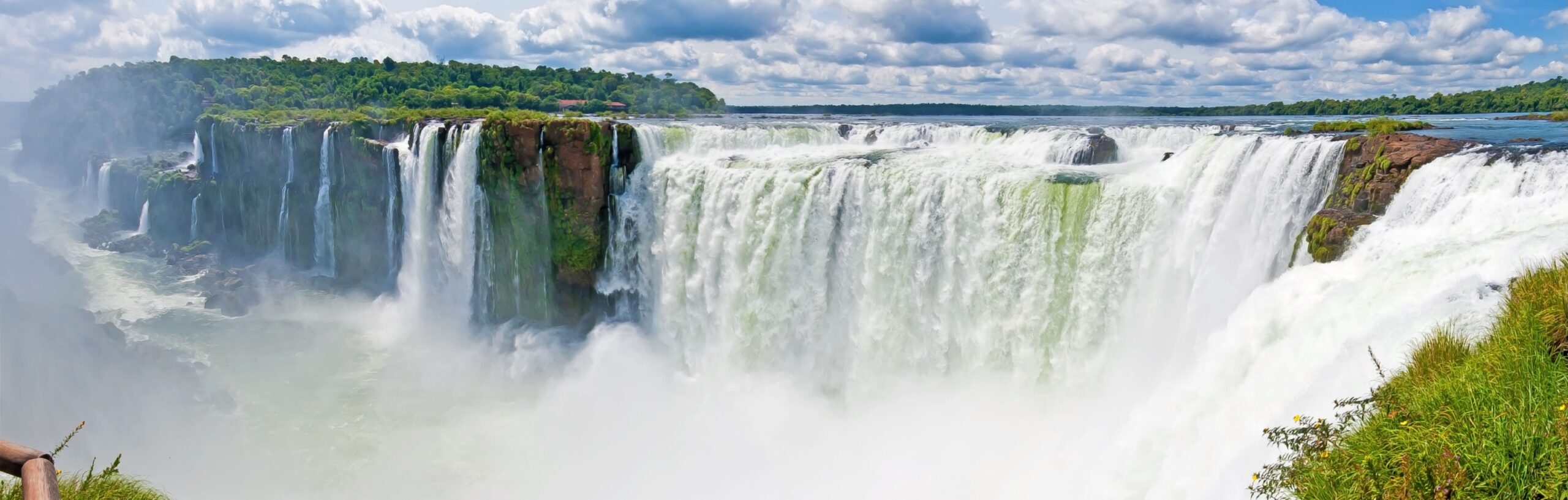
Some natural places are beautiful from a distance. Iguazu Falls is not one of them. You hear it. You feel the air change. Mist gathers on your skin. The sound grows before the full scale of the waterfalls comes into view. Then there is water everywhere. Not one narrow waterfall dropping over a cliff, but a huge system of cascades spreading across the landscape. Water pours through jungle, around islands, and over ledges in nearly every direction. Photographs can show the shape of Iguazu. They cannot reproduce the force of it.
The closer you get, the less you think about framing the perfect image. The sound takes over. The mist takes over. The sheer volume of water makes conversation almost unnecessary. Iguazu remains one of my favorite places in Brazil because it is not a quiet scenic stop. It is an experience that surrounds you.
You do not simply stand and look at it. You feel it.
Where Wildlife Writes the Schedule
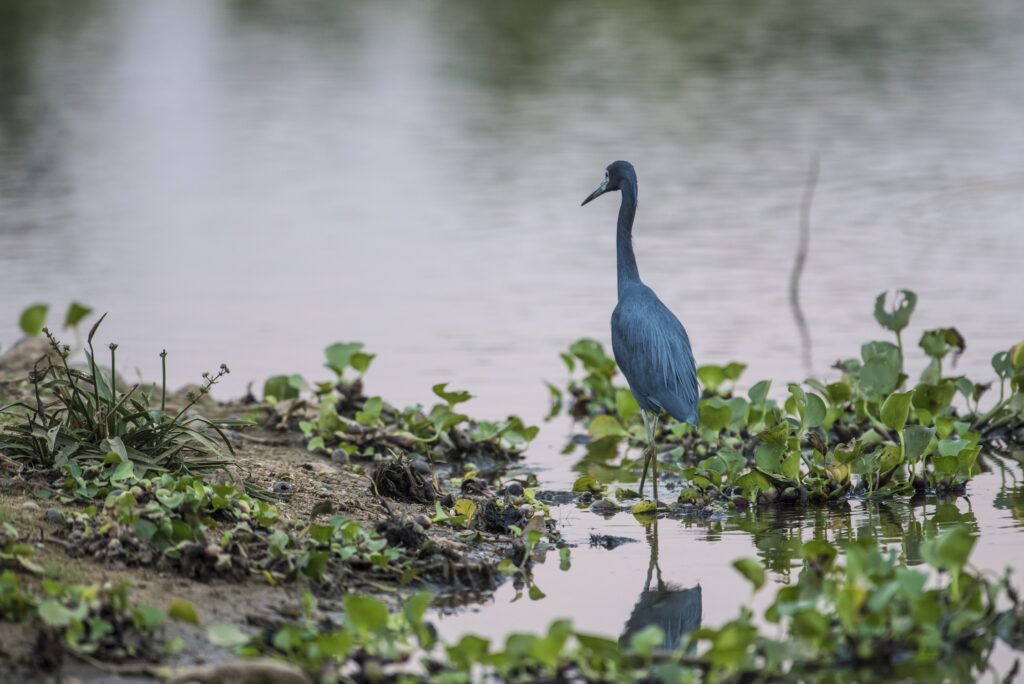
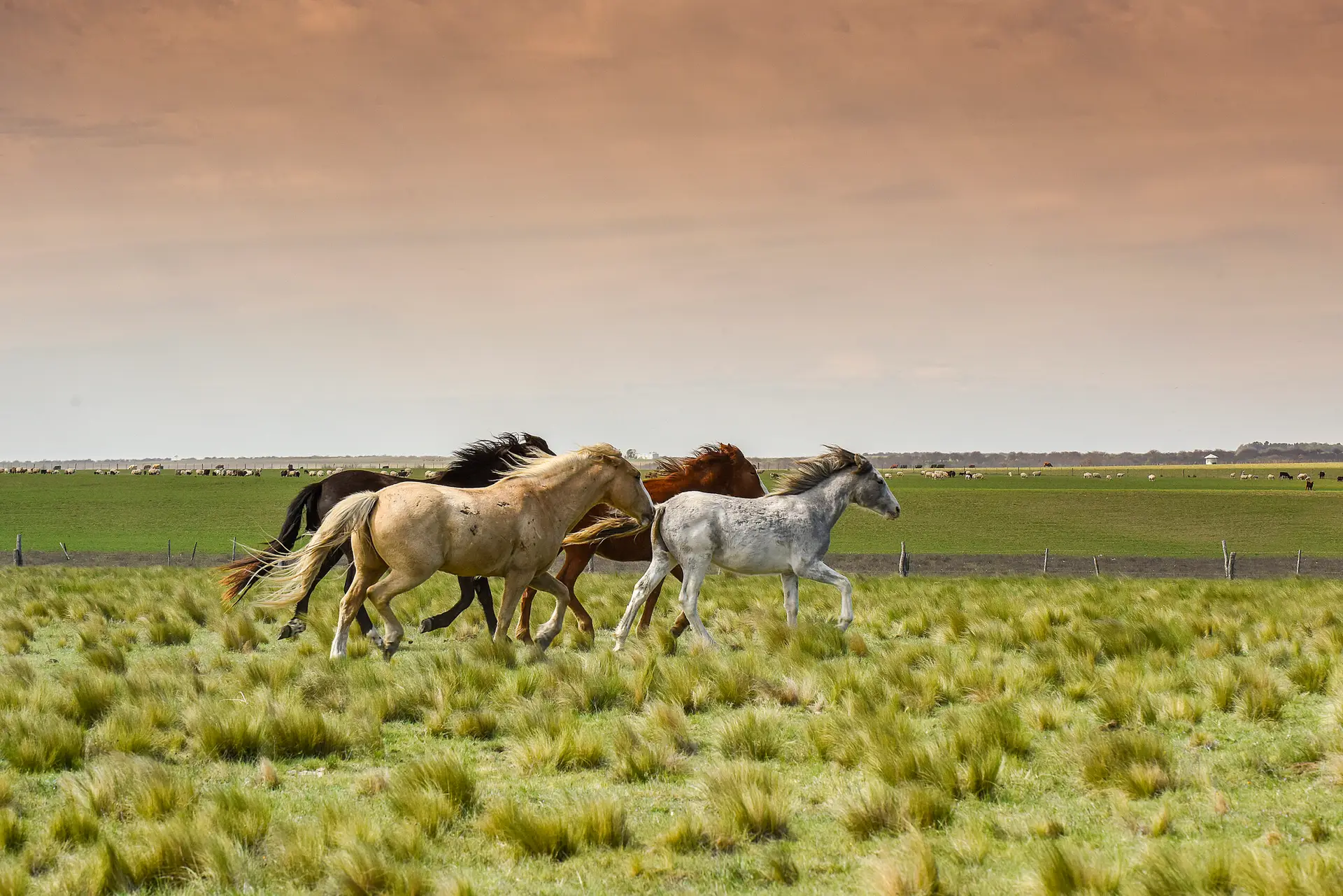
The Pantanal offers a completely different kind of experience. Here, nature decides what happens. The wetlands change with the seasons, and wildlife appears when it appears. You may hope to see a jaguar, but the day may instead bring capybaras, caimans, monkeys, toucans, storks, snakes, or macaws. That is not a disappointing day. It is the day the Pantanal gave you. Wildlife travel works best when expectations remain flexible. Animals do not care about itineraries, photography plans, or how far you traveled to see them.
You watch the water. You scan the grass. You listen for movement. You learn that patience is often more useful than a long checklist. The Pantanal also reminds travelers that Brazil’s wildlife story is much larger than the Amazon. The wetlands are open, visible, and alive in a completely different way from the dense rainforest.
There is no single version of Brazilian wilderness.
Bahia Still Holds My Heart
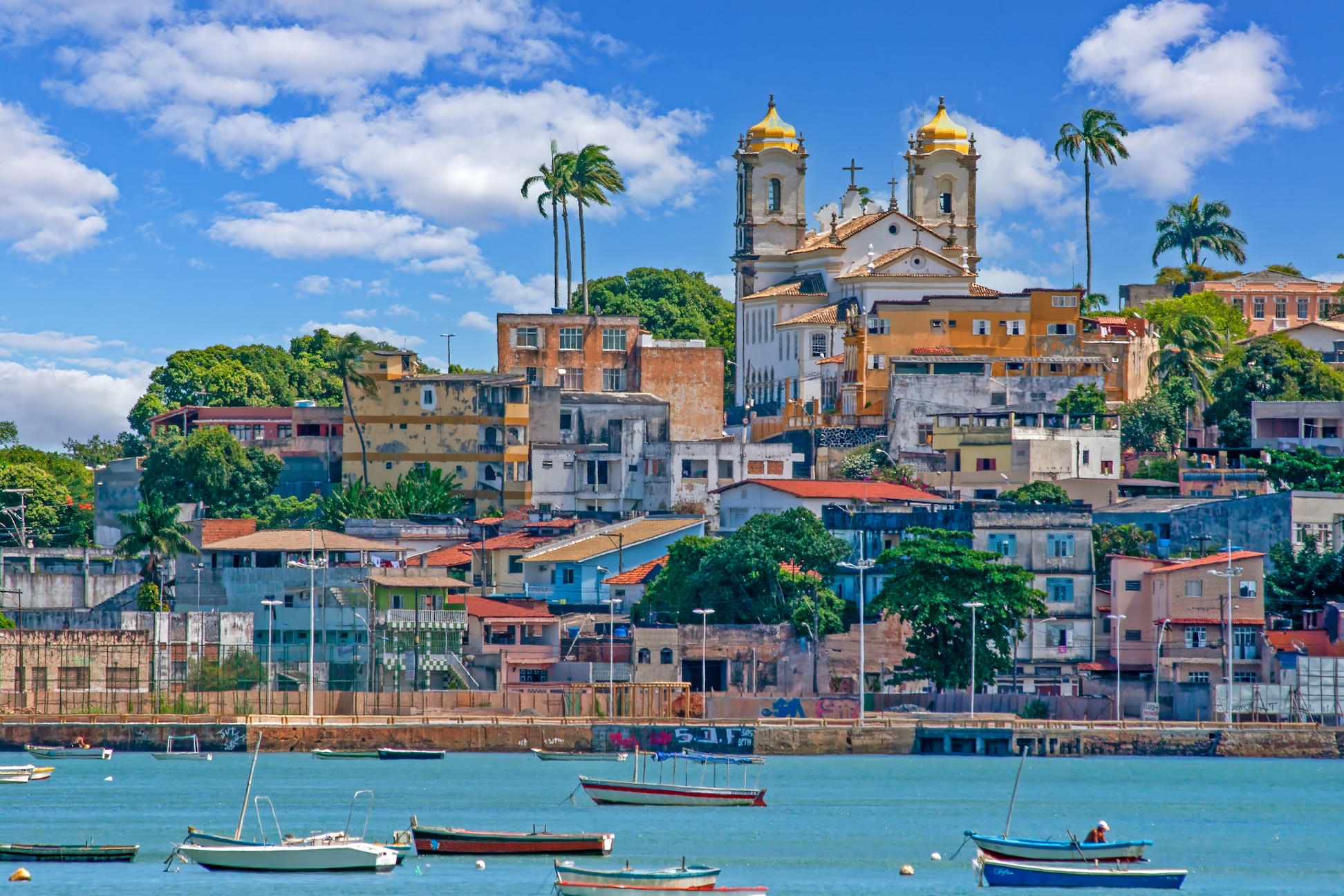
Bahia was part of my first trip to Brazil, and I spent my 21st birthday there. That alone would make it memorable. But Bahia has stayed with me for reasons that go well beyond one birthday. Salvador is a city where history is visible almost everywhere. Colonial buildings line steep streets. Churches rise above plazas. Color covers walls and facades. Music moves through public spaces. Food carries the history of the region. African, Indigenous, and Portuguese influences are woven into daily life rather than separated into a museum display. The past is not distant there. It walks beside you.
Pelourinho is visually striking, with its bright buildings and cobbled streets, but the beauty should never erase the difficult history held within those spaces. Salvador asks travelers to appreciate the architecture while also understanding what happened there and whose stories shaped the city. That matters.
Bahia is also alive with traditions that continue to evolve. Capoeira, religious practices, music, dance, clothing, crafts, markets, and celebrations are not performances created solely for visitors. They belong to the community. The best way to experience them is with respect and curiosity. Watch. Listen. Ask questions when appropriate. Do not assume that something colorful exists only for a photograph.
Bahia has heart, warmth, wonderful people, and a sense of identity that feels entirely its own. It is one of those places where the atmosphere becomes part of the memory.
Come Hungry
Brazilian food is not one cuisine. It changes by region, climate, history, and tradition. In Bahia, dishes often reflect strong African influence, with ingredients such as seafood, coconut milk, beans, peppers, and dendê oil creating flavors that are difficult to confuse with anywhere else. Elsewhere, you may find grilled meats, rice and beans, farofa, regional stews, cassava, fresh fruit, pastries, coffee, and desserts that make it very easy to say yes to one more bite. Feijoada may be one of the best-known dishes, but it is only one part of the table.
Food in Brazil often feels social. Meals linger. Plates are shared. Coffee creates a pause. A restaurant becomes more than a place to eat because conversation is part of the experience. That matters when you travel. Some memories are tied to landmarks. Others return through a flavor you did not expect to remember.
The Amazon Is Not Empty Wilderness
The word Amazon creates an immediate image. Dense forest. Rivers. Wildlife. Humidity. Endless green. That image is not wrong, but it is incomplete. The rainforest is full of sound and movement, even when very little is immediately visible. Birds call from above the canopy. Insects move across leaves. Water carries its own rhythm. Pink river dolphins surface and disappear. Caimans remain almost hidden at the edge of the river. The smallest creatures may be among the busiest. Ants carry leaves far larger than themselves. Beetles reflect colors that look almost metallic. Butterflies, moths, spiders, frogs, and countless other species occupy the spaces most visitors walk past without noticing. The Amazon rewards people who look closely.
It also asks travelers to recognize that this is not an untouched world without people. Indigenous communities have lived within and cared for these environments for generations. River communities continue to build their lives around water, forest, weather, and distance. The rainforest is not simply a backdrop for adventure. It is home.
Manaus and the History Hidden in the Forest
Manaus is one of those cities that surprises people because it challenges what they expect to find in the Amazon. The city grew dramatically during the rubber boom, when wealth flowed into the region and ambitious buildings appeared far from Brazil’s coastal centers. The Teatro Amazonas is perhaps the clearest symbol of that era. An ornate opera house in the middle of the rainforest sounds almost improbable, yet there it stands. But Manaus is more than one historic building. It is a working city shaped by rivers, trade, industry, migration, and its position at the edge of an enormous forest. Boats remain central to movement. Markets reflect regional food and materials. Indigenous craftsmanship and local history appear in places that can be easy to overlook. Nearby, the Meeting of the Waters creates another memorable image. Two rivers run side by side for miles, their differently colored waters meeting without immediately mixing. It is a perfect Brazil moment.
Two distinct worlds traveling together, each remaining visible.
There Is More Beneath the Surface
Brazil’s surprises are not limited to its cities, coast, and rainforest.
In Minas Gerais, historic towns reflect the country’s mining history. Colonial streets, churches, mountains, and old buildings sit above a landscape that once produced enormous wealth in gold, gemstones, and minerals. Some treasures remained underground. Others shaped entire towns. The beauty of these places can be easy to appreciate. The history beneath them is more complicated. Mining wealth built churches and cities, but it was also tied to slavery, exploitation, inequality, and dangerous labor.
Again, Brazil resists simple explanations. Beauty and hardship often occupy the same landscape. That does not diminish the experience. It deepens it. Travel becomes more meaningful when we understand what created the places we admire.
Brazil Has Mountains, Too
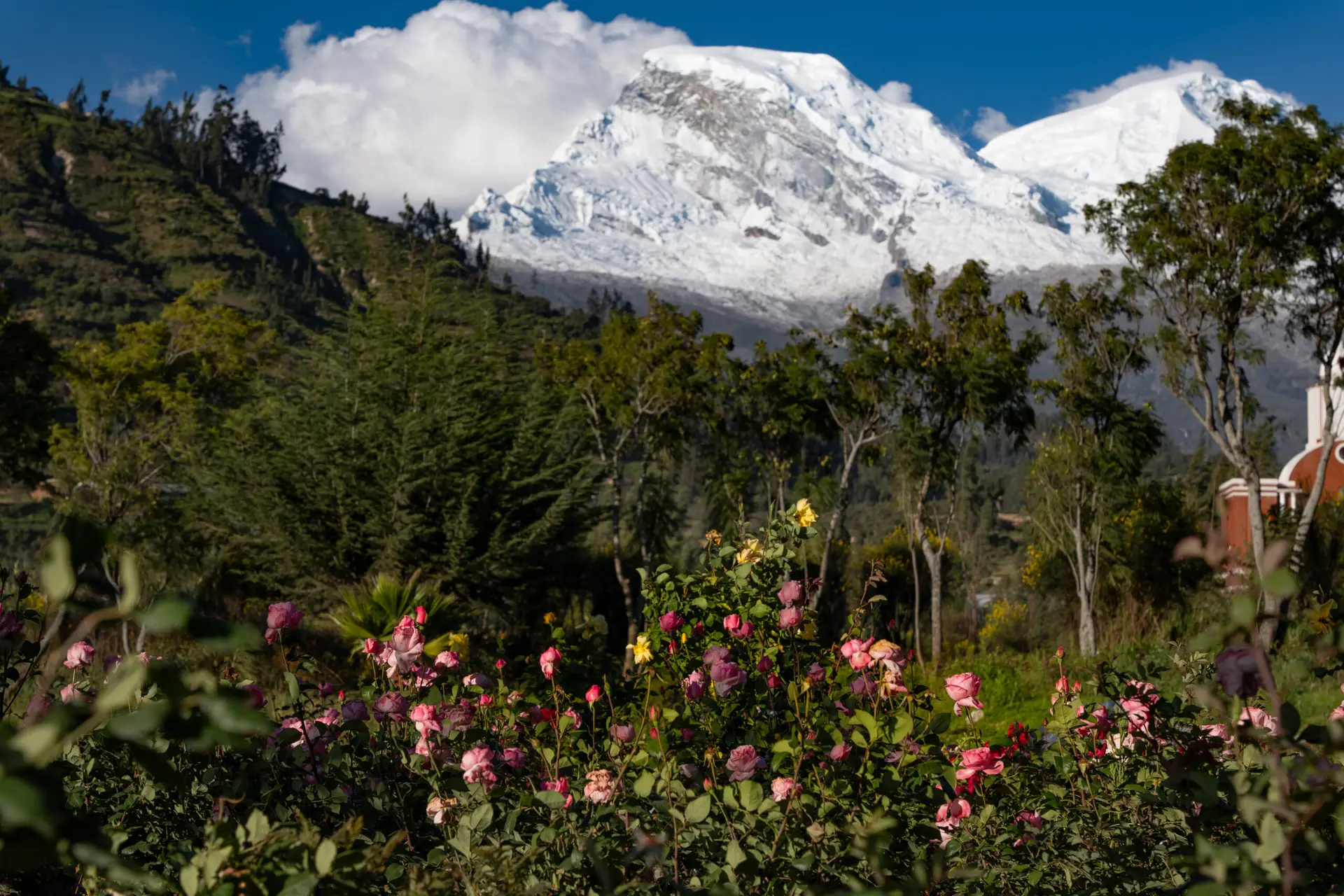
People often picture Brazil as beaches, rainforest, and flat tropical landscapes. Then the road climbs. The country has highlands, mountain ranges, broad valleys, waterfalls, farms, plateaus, and scenic roads that feel far removed from the familiar coastal images. These quieter routes may be some of the most rewarding. A road curves through green hills. A river catches the late afternoon light. Mountains stack into the distance. A small town appears where you did not expect one. There may not be a famous landmark waiting at the end. Sometimes the road is enough. This is the kind of travel I always return to. Plans help, but a route should leave room for the unexpected view, the roadside stop, or the town that earns more time than originally planned.
Brazil’s interior offers plenty of those moments.
Brazil Sings
Music is one of the threads connecting Brazil’s many regions, even though the sounds change from place to place. Samba may be the best-known internationally, but Brazil’s musical identity extends far beyond one rhythm. Music appears in streets, celebrations, restaurants, community gatherings, dance, capoeira, and everyday life. It can be joyful, political, spiritual, playful, or deeply tied to regional identity. In Bahia, drums and movement are inseparable from the atmosphere. In other regions, different traditions take over. You may not understand every lyric or recognize every rhythm, but you understand that music is not simply entertainment. It carries history, resistance, faith, pride, and connection. Some places speak quietly. Brazil sings.
Appreciation Without Pretending
Brazil is not my favorite country. I think that is worth saying. Travel writing sometimes creates the impression that every destination must be described as life-changing, magical, or the most wonderful place ever visited. That is not honest. A country can be complicated. A city can be difficult. A trip can require more caution, patience, and adjustment than another. And a place can still be worth knowing.
Brazil has given me wonderful memories. Bahia remains special. Iguazu still stands among my favorite natural experiences. São Paulo became part of my professional life. Rio remains unlike any other city I have visited, for both its beauty and its intensity. The people are warm, expressive, creative, and often extraordinarily welcoming.
The country has heart. It also has challenges that should not be ignored or romanticized. Both can be true. Perhaps that is the most honest way to appreciate Brazil. Not by pretending it is simple. Not by pretending every experience is easy. But by recognizing that its contradictions are part of what makes it unforgettable.
Too Big for One Story
Brazil cannot be reduced to Rio. It cannot be reduced to Carnival, beaches, football, or the Amazon. It is São Paulo moving at full speed. It is mist rising over Iguazu. It is a jaguar somewhere in the Pantanal grass. It is music in Salvador. It is a shared meal in Bahia. It is an opera house in Manaus. It is a tiny insect carrying something ten times its size. It is a mountain road far from the coast. It is history visible in a building and hidden beneath the ground.
Every stop tells a different story.
And after more than four decades of occasional returns, I am still not sure Brazil can be fully explained. Perhaps it should not be. Some countries are best understood as a single journey.
Brazil is too big for one story.
Let me know if you have been and what your impressions are.
Until next time, happy traveling!







Join the Discussion